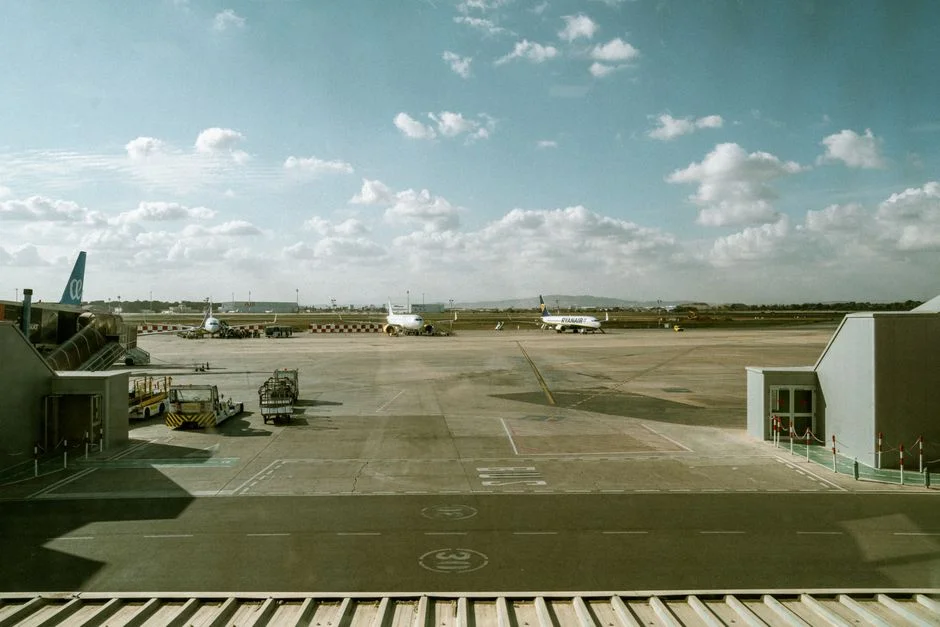
As fuel prices continue to soar globally, airlines are scrambling to adjust their pricing strategies, directly impacting travellers in India. The increase in fuel costs, which has seen a surge of over 30% in recent months, is compelling airlines to raise ticket prices, affecting both domestic and international travel.
Impact on Indian Travellers and Economy
The rising fuel costs are pushing airlines to pass the additional expenses onto passengers, leading to higher airfares. This change is expected to affect holiday plans, as well as business travel, which could have a ripple effect on the local economy. India's travel and tourism sector, already recovering from the pandemic's impact, may face further challenges as ticket prices climb.
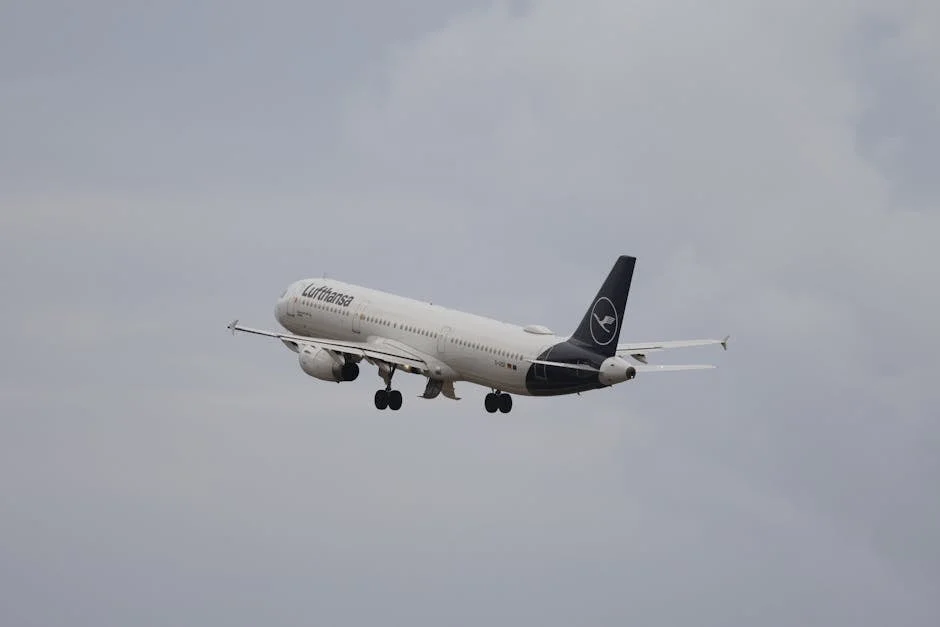
The International Air Transport Association (IATA) has noted that aviation fuel prices have reached a five-year high, exacerbated by geopolitical tensions and supply chain disruptions. For Indian carriers, who operate on thin margins, the pressure to remain profitable while keeping fares competitive is immense.
Regional Airlines' Responses
Indian carriers such as Air India and IndiGo have announced fare adjustments in response to the fuel price hike. These changes vary based on distance and demand, with long-haul flights seeing more significant price increases.
In contrast, international airlines operating in the India-Israel route, like El Al Airlines, are also adjusting their ticket pricing strategies. The airline industry in Israel has been notably impacted by the fuel price surge, which further complicates travel plans between the two nations.
Effects on Airline Operations
Beyond ticket prices, rising fuel costs are influencing airline operations and strategies. Airlines are considering reducing frequencies on less profitable routes, potentially affecting connectivity in regions dependent on air travel.
Furthermore, carriers are exploring ways to improve fuel efficiency, including investing in newer, more fuel-efficient aircraft and optimising flight paths to save on fuel consumption.
Community and Traveller Reactions
Travellers in India are expressing concerns over the rising costs, which could restrict their ability to travel for leisure or personal reasons. This sentiment is shared by businesses relying on air travel for logistics and meetings, who may need to reassess budgets or seek alternatives.
The Indian government and civil aviation authorities are under pressure to address these challenges. Discussions around potential subsidies or regulatory measures to ease the burden on airlines and travellers are ongoing, though no definitive plans have been announced yet.
What to Watch Next
As fuel prices remain volatile, travellers and the aviation industry should monitor further announcements from airlines regarding fare adjustments. Additionally, any government interventions or subsidies could influence future travel costs. The upcoming holiday season will be a critical period to observe how these dynamics unfold, as airlines and travellers adapt to the changing economic landscape.
See Also
- Iran vows to hunt down US, Israeli officials globally after park attacks
- India's Tea Exports to UAE, Iran and Iraq at Risk Amid Strait of Hormuz Disruptions
The airline industry in Israel has been notably impacted by the fuel price surge, which further complicates travel plans between the two nations.Effects on Airline OperationsBeyond ticket prices, rising fuel costs are influencing airline operations and strategies. Airlines are considering reducing frequencies on less profitable routes, potentially affecting connectivity in regions dependent on air travel.Furthermore, carriers are exploring ways to improve fuel efficiency, including investing in newer, more fuel-efficient aircraft and optimising flight paths to save on fuel consumption.Community and Traveller ReactionsTravellers in India are expressing concerns over the rising costs, which could restrict their ability to travel for leisure or personal reasons.