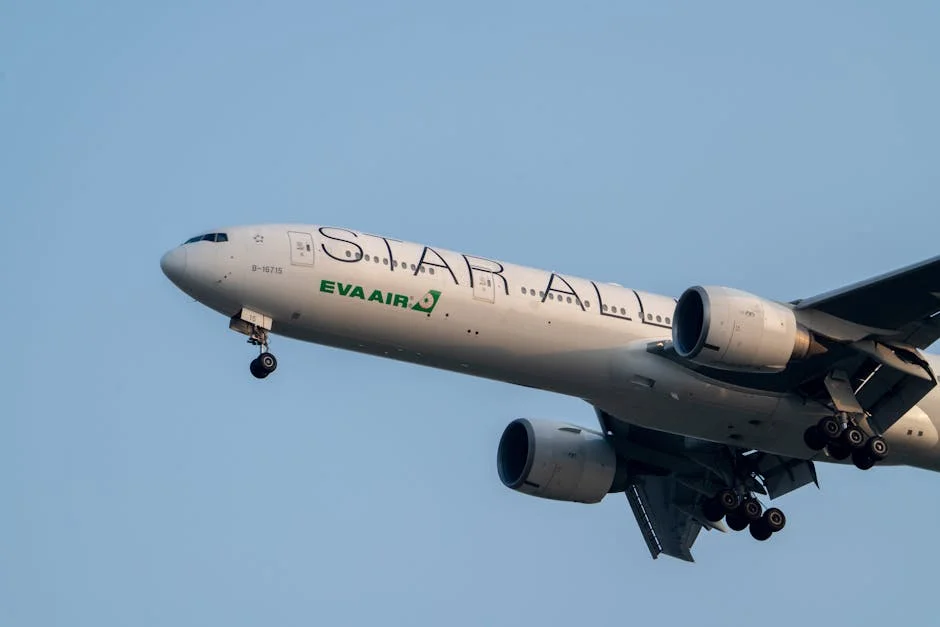
India and China have resumed direct flights between Beijing and Delhi, marking a significant step in easing diplomatic tensions and strengthening bilateral ties. The move, announced by the Indian Ministry of Civil Aviation, follows months of restricted air travel due to geopolitical disputes. The first commercial flight took off on April 5, carrying 150 passengers and a cargo of medical supplies. The resumption is seen as a signal of improved communication between the two nations, which share a complex and often strained relationship.
Impact on Travel and Trade
The resumption of flights has been welcomed by business leaders and travelers who had faced long delays and higher costs due to the suspension. Direct flights were previously suspended in 2022 after border clashes in the Ladakh region. The new route will reduce travel time by up to 20 hours, making it easier for business executives, diplomats, and tourists to move between the two countries. The Indian airline IndiGo has already announced plans to increase the frequency of flights to three per week starting in May.
Trade experts believe the move could also revive economic exchanges that had slowed due to the travel restrictions. The Chinese Ministry of Foreign Affairs stated that the resumption of air links is part of broader efforts to enhance economic cooperation. The Global Times, a state-run Chinese newspaper, reported that the two countries are exploring new trade agreements, including a potential increase in the import of Indian agricultural products.
Community and Social Response
Local communities in Delhi and Beijing have expressed relief at the resumption of flights. For families separated by the border, the new route offers a lifeline. "It's been years since I last saw my brother in Beijing," said Ravi Sharma, a Delhi-based engineer. "Now, I can visit him more easily, and that means a lot." Similar sentiments were echoed in Beijing, where Indian expatriates welcomed the return of direct flights.
The Indian government has also highlighted the social benefits of the move, including increased cultural exchanges and tourism. The Ministry of Tourism said it is working with Chinese authorities to promote joint travel packages, targeting both business and leisure travelers. This could help boost local economies in cities like Jaipur, Delhi, and Chengdu, where tourism is a key industry.
Regional Implications
The resumption of flights has broader implications for the South Asian region, which has long been affected by the India-China dynamic. Analysts at the Institute for Defense Studies and Analyses in New Delhi noted that improved air connectivity could lead to better regional cooperation, particularly in areas like disaster relief and medical aid. The two countries have already collaborated on cross-border medical evacuations in the past, and the new route is expected to make such operations more efficient.
However, the move has also raised questions about the sustainability of the improved relationship. The Indian Ministry of External Affairs has reiterated its commitment to maintaining a "balanced" approach in its dealings with China, especially in light of ongoing border disputes. Despite this, the resumption of flights is seen as a positive step that could pave the way for future dialogue and cooperation.
What to Watch Next
Experts predict that the success of the new flight route will depend on continued diplomatic efforts and the resolution of lingering issues between the two nations. The next major test will come in May, when the two countries are expected to hold high-level talks on trade and security. If these discussions lead to tangible agreements, the resumption of flights could be a sign of a broader thaw in relations.
For now, the focus remains on how the new route will affect everyday citizens. The Indian government has announced plans to monitor passenger numbers and economic impact over the next six months. If the initiative proves successful, it could serve as a model for future efforts to strengthen regional ties. As one Delhi-based business owner put it, "This is more than just a flight — it's a step toward better understanding between two of Asia's largest nations."
See Also
- Europe's Stagflation Risk Slams Citizens' Daily Lives - What It Means for India
- Internet Users in India Share Hilarious Memes During International Break
This could help boost local economies in cities like Jaipur, Delhi, and Chengdu, where tourism is a key industry. Analysts at the Institute for Defense Studies and Analyses in New Delhi noted that improved air connectivity could lead to better regional cooperation, particularly in areas like disaster relief and medical aid.