Russia's invasion of Ukraine has led to a surge in war memes that blur the lines between satire and propaganda, sparking concerns among officials in Kyiv and Moscow. The content, often shared on platforms like TikTok and Telegram, has become a tool for both supporters and critics of the conflict, with some accusing creators of distorting facts for views. The issue has drawn attention from the Ukrainian Ministry of Information Policy, which has called for greater oversight of online content.
War Memes Spread Across Social Platforms
War memes have become a global phenomenon, with users creating and sharing content that reflects their views on the conflict. In Kyiv, a 2023 survey by the Ukrainian Institute of Mass Information found that 37% of young people aged 18–30 regularly engage with war-related memes. These range from dark humor about military equipment to satirical takes on political figures. The content often goes viral, reaching audiences in Europe, the US, and even parts of Asia.
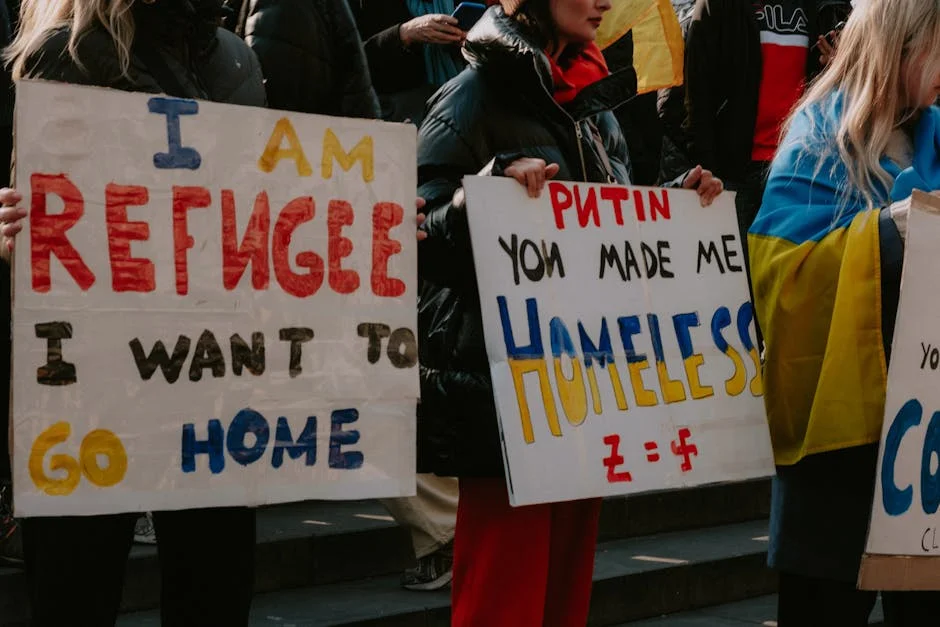
The spread of such content has raised questions about misinformation. In March 2024, the Ukrainian government issued a warning that some memes were "designed to mislead and manipulate public opinion." A spokesperson for the Ministry of Information Policy said, "We are monitoring the situation closely and will take action against any content that spreads false information." Meanwhile, Russian state media has accused Ukrainian users of "spreading anti-Russian propaganda through humorous formats."
Impact on Local Communities and Daily Life
The influence of war memes is not limited to online spaces. In Lviv, a city in western Ukraine, local schools have started incorporating media literacy into their curriculum to help students identify biased or misleading content. "Students are exposed to a lot of content online, and it's important they learn how to think critically," said Maria Ivanova, a teacher at Lviv Secondary School No. 12. The initiative has been supported by the European Union, which has allocated €2 million to support digital education projects in Ukraine.
Businesses in the region are also feeling the effects. In Kyiv, a tech startup called MemesForPeace has launched a campaign to promote "positive and constructive" content. The company, founded by a group of young developers, has partnered with local NGOs to create educational materials. "We believe that social media can be a force for good," said co-founder Alexei Petrov. "Our goal is to encourage people to share content that brings people together, not divides them."
Regional Responses and Policy Measures
In response to the growing issue, the European Union has proposed new regulations to address the spread of harmful online content. The plan, set to be discussed in June 2024, includes stricter guidelines for social media platforms and penalties for those who share false information. The proposal has been welcomed by some Ukrainian officials but criticized by digital rights groups, who fear it could lead to censorship.
Meanwhile, in Moscow, the Russian government has taken a more aggressive approach. In April 2024, the Federal Security Service (FSB) launched an investigation into a popular Telegram channel that shared war memes. The channel, which had over 1 million followers, was accused of "disrupting public order." The case has sparked debate about free speech and the role of social media in political discourse.
What’s Next for War Memes in the Region?
The debate over war memes shows no signs of slowing down. As the conflict in Ukraine continues, the role of social media in shaping public perception will remain a key issue. The Ukrainian government has pledged to strengthen its digital defense strategies, while international organizations are exploring ways to support media literacy initiatives across the region.
For now, citizens in Ukraine and beyond are being asked to think more critically about the content they consume. With new regulations on the horizon and growing awareness of misinformation, the next few months will be crucial in determining how war memes shape the digital landscape in Eastern Europe and beyond.
See Also
- UAE Shoppers Slam Rising Fruit and Vegetable Prices Amid US-Israel War: What You Need to Know
- TSMC Posts 35% Revenue Surge as AI Demand Soars
The proposal has been welcomed by some Ukrainian officials but criticized by digital rights groups, who fear it could lead to censorship. As the conflict in Ukraine continues, the role of social media in shaping public perception will remain a key issue.
What is the latest news about ukraines war memes spark debate over digital propaganda?
Why does this matter for politics-governance?
What are the key facts about ukraines war memes spark debate over digital propaganda?