Lagos State High Court has sentenced three men to prison for assaulting officers of the Kick Against Indiscipline (KAI) unit, a move that has sparked debate over the role of the controversial anti-graffiti and anti-littering initiative in the region. The court found Ogundare Oluwatobiloba, Taoreed Alimi, and Farouk Olori guilty of attacking KAI personnel during a confrontation in the Ikeja area in June 2024. The incident, which was captured on video, led to public outcry and raised concerns about the conduct of both the officers and the individuals involved.
The Incident and the Verdict
The assault occurred during a routine operation by KAI officers to clean public spaces in Ikeja, a densely populated commercial hub in Lagos. According to court documents, Olori and two others reportedly confronted the officers, claiming they were being harassed. The video showed the men striking the officers, who were not armed, before being subdued by additional KAI personnel. The court heard testimony from three witnesses, including a local shopkeeper who described the chaos that followed.
The judge, Justice Adebayo Adeyemi, sentenced the trio to six months in prison, with two of them ordered to pay a fine of N200,000 (approximately $450). The verdict was widely covered by local media, with many questioning the effectiveness of KAI's approach. "This case highlights the need for better training and clearer guidelines for KAI officers," said legal analyst Funmi Adeyemi in an interview with City Times. "The public deserves to see accountability from both sides."
KAI’s Role and Public Reaction
KAI, launched in 2021, has been a polarizing force in Lagos. The unit, backed by the Lagos State government, aims to tackle urban decay by cracking down on littering, graffiti, and unauthorized street vendors. While supporters praise its efforts to improve public spaces, critics argue that its methods often target the poor and lack transparency. The recent case has intensified these discussions, with many citizens expressing frustration over the lack of clear protocols for dealing with KAI officers.
Community leaders in Ikeja have called for a review of KAI’s operations. "We need to ensure that the people tasked with maintaining order are not the ones causing more problems," said Adebola Johnson, a local councilor. "This incident shows that there are gaps in how KAI engages with the public." The case has also prompted calls for an independent oversight body to monitor KAI’s activities and address complaints from residents.
Impact on Daily Life and Local Economy
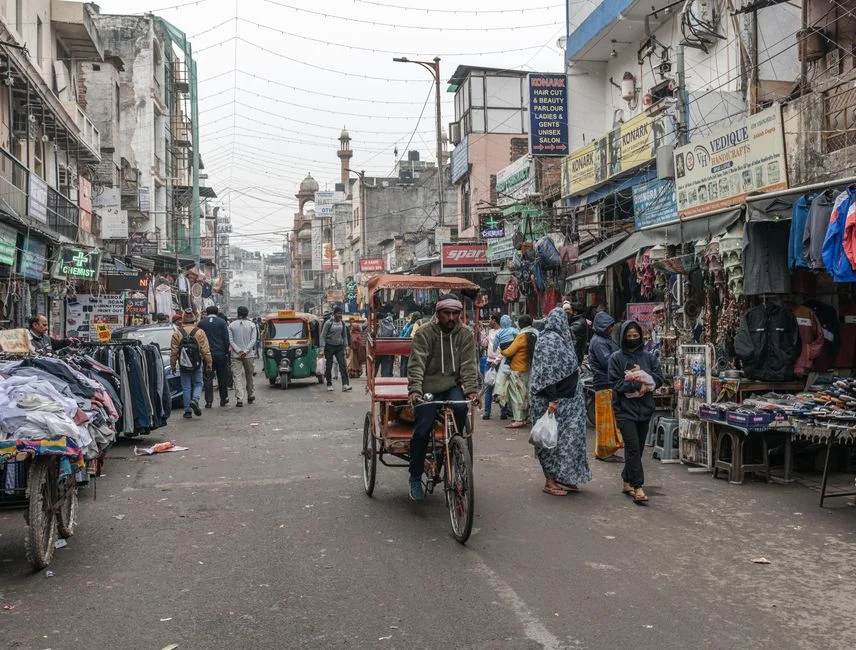
The incident has had a tangible effect on daily life in Ikeja, where many residents rely on small businesses and street trade. Some vendors have reported increased tensions with KAI officers, fearing that their livelihoods could be disrupted. "I used to work near the market, but now I avoid that area because of the KAI patrols," said Amina Yusuf, a local trader. "It’s not just about littering — it’s about how we are treated."
The local economy, already under pressure from rising inflation and high unemployment, faces additional challenges. A recent report by the Lagos Chamber of Commerce and Industry noted that increased friction between KAI and the public could discourage investment and deter customers from visiting the area. "If people feel unsafe or unwelcome, it affects the entire community," said the report’s author, Chidi Nwosu.
What’s Next for KAI and the Community
The court’s decision has not resolved the broader debate about KAI’s role. The Lagos State government has not yet responded publicly, but officials are expected to review the case in the coming weeks. Meanwhile, civil society groups are pushing for a more transparent and community-focused approach to urban management. "We need to find a balance between cleanliness and respect for the rights of citizens," said Tolu Adeyemi, a representative from the Lagos Youth Forum.
As the legal process continues, residents are watching closely. The next step will be a public consultation session scheduled for late September, where community members and KAI officials will discuss ways to improve engagement. For now, the case serves as a reminder of the challenges facing urban governance in one of Nigeria’s most dynamic cities.
The outcome of this case could set a precedent for how similar disputes are handled in the future. With the government under pressure to address public concerns, the coming months will be critical for determining the direction of KAI and its impact on the daily lives of Lagosians.
See Also
- Rui Almeida exposes grim realities in Beirut: the lingering scent of gunpowder
- Carlos Vicens Vows No Excuses for Casa Pia Delays — Braga Residents Frustrated
With the government under pressure to address public concerns, the coming months will be critical for determining the direction of KAI and its impact on the daily lives of Lagosians. Impact on Daily Life and Local Economy The incident has had a tangible effect on daily life in Ikeja, where many residents rely on small businesses and street trade.