The impasse between the European Union and Iran continues to deepen, with Tehran escalating its attacks on commercial ships in the Persian Gulf. The standoff, which has been ongoing since 2018, has now entered a new phase as tensions rise and regional stability is threatened. The Iranian government, under President Ebrahim Raisi, has accused the EU of failing to uphold its commitments under the 2015 nuclear deal, while the EU insists that Iran has not met its obligations.
Escalating Tensions in the Persian Gulf
Since the beginning of 2024, Iran has carried out a series of attacks on foreign vessels, targeting both commercial and military ships. In March, a cargo ship flying the flag of the United Arab Emirates was damaged near the Strait of Hormuz, marking one of the most significant incidents in recent months. The incident has raised alarms across the region, with the UAE government condemning the attack and calling for international intervention.
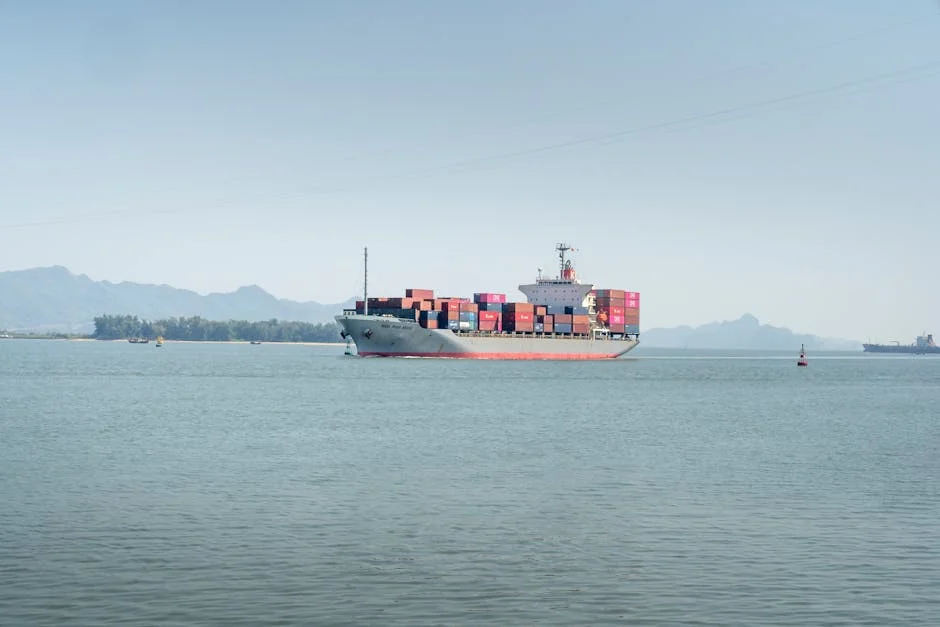
Regional analysts warn that the increasing frequency of these attacks could disrupt global trade routes. The Strait of Hormuz, a critical chokepoint for oil shipments, has become a flashpoint for geopolitical tensions. "Every attack increases the risk of a wider conflict," said Dr. Ali Rezaei, a political analyst based in Tehran. "The international community must act before the situation spirals out of control."
EU's Stance and Failed Negotiations
The European Union has maintained that it is committed to the 2015 nuclear deal, formally known as the Joint Comprehensive Plan of Action (JCPOA), but has struggled to implement its commitments due to U.S. sanctions. The EU's foreign policy chief, Josep Borrell, has repeatedly called for Iran to return to full compliance with the agreement. However, Iran has refused, citing the U.S. withdrawal from the deal in 2018 and the subsequent re-imposition of sanctions.
The latest round of talks, held in Vienna in April, ended without a breakthrough. EU officials said that Iran had not provided the necessary assurances to resume negotiations. "We are ready to engage, but Iran must take the first step," Borrell stated during a press conference. The failure to reach an agreement has led to frustration among EU member states, many of which are concerned about the security of their maritime interests in the region.
Impact on Local Communities and Economies
The ongoing impasse is having a direct impact on local communities in the Persian Gulf. Shipping companies are increasingly reluctant to operate in the region, leading to higher insurance costs and delays in cargo shipments. In the UAE, for example, the port of Fujairah has seen a 15% drop in traffic since the start of the year, according to the UAE Maritime Authority.
Local businesses are also feeling the strain. In Dubai, a major shipping hub, small-scale traders report that rising insurance premiums are making it harder to compete. "We’re losing customers because of the uncertainty," said Ahmed Al-Maktoum, a merchant who operates a shipping logistics firm. "If this continues, we may have to shut down."
Regional Responses and Security Measures
In response to the growing threat, several Gulf states have increased their military presence in the region. The United Arab Emirates and Saudi Arabia have both deployed naval vessels to patrol the Strait of Hormuz, while the U.S. has sent a carrier strike group to the area. These moves have been met with strong opposition from Iran, which has warned that any military escalation could lead to a full-scale conflict.
Regional security experts suggest that a more coordinated approach is needed. "The Gulf states must work together to establish a collective defense mechanism," said Dr. Leila Al-Naimi, a security analyst based in Bahrain. "Isolated actions will not be enough to deter further aggression."
International Mediation and Diplomatic Efforts
China and Russia have both expressed interest in mediating the crisis, offering to facilitate talks between the EU and Iran. However, their involvement has been met with skepticism by some Western allies, who question their neutrality in the region. Meanwhile, the United Nations has called for an urgent meeting of the Security Council to address the escalating situation.
The role of the United States remains a key factor in the negotiations. Although the Biden administration has expressed support for reviving the JCPOA, it has not yet taken concrete steps to ease sanctions on Iran. Former President Donald Trump's administration had imposed harsh sanctions that continue to restrict Iran's access to international markets.
The coming weeks will be critical in determining the future of the negotiations. EU officials have indicated that they are preparing for another round of talks, but the outcome remains uncertain. For now, the region remains on high alert, with the potential for further escalation hanging over the Persian Gulf.