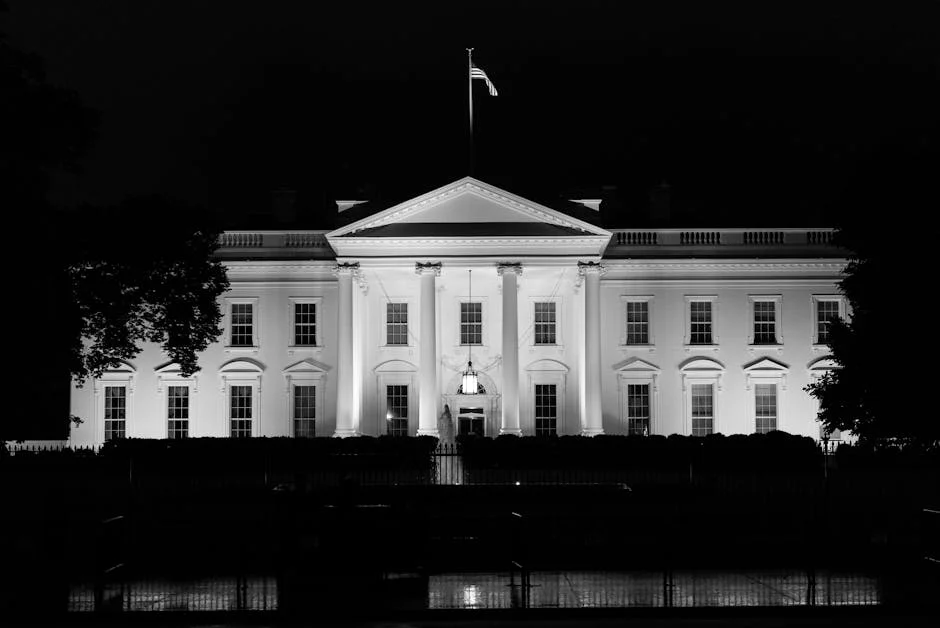
President Donald Trump has reportedly been exploring diplomatic pathways to de-escalate tensions with Iran, but Tehran has signaled it will not easily compromise. The move comes amid rising concerns over regional stability and potential economic fallout, particularly in the Gulf. The White House has yet to confirm the details, but reports from Vanguard News suggest the administration is considering a range of options, including renewed negotiations or limited military action.
Escalating Tensions and Strategic Moves
The U.S. and Iran have been locked in a fragile standoff since 2018, when Trump withdrew from the nuclear deal and reimposed harsh sanctions. Since then, incidents like the 2020 drone strike that killed Iranian General Qasem Soleimani have raised fears of direct conflict. According to a recent report by the U.S. Department of Defense, military readiness in the region has increased, with additional forces deployed to the Persian Gulf.
Tehran has repeatedly refused to engage in direct talks with the U.S., calling the administration’s approach "unilateral and disrespectful." In a statement released by the Iranian Foreign Ministry, spokesperson Saeed Khatibzadeh said, "We will not be intimidated by threats or negotiations that ignore our sovereignty." The message underscores a deepening divide, with both sides unwilling to back down.
Regional Impact and Economic Concerns
The ongoing standoff has significant implications for the Middle East, particularly for countries like Saudi Arabia, the UAE, and Oman, which are caught between U.S. alliances and their own strategic interests. A 2021 report by the International Monetary Fund warned that prolonged conflict could reduce regional GDP by up to 2% annually, with oil prices likely to surge. In Dubai, where many international businesses operate, uncertainty has led to cautious investment decisions.
For Indian citizens, the situation is especially concerning. India imports around 70% of its oil from the Middle East, with a large portion coming from the Gulf. Any disruption in supply could lead to higher fuel prices, affecting everything from public transport to manufacturing. The Indian government has urged both sides to de-escalate tensions, with External Affairs Minister S. Jaishankar stating, "Regional stability is crucial for India’s economic interests."
Public Reaction and Social Impact
In cities like Mumbai and Delhi, where many families rely on imported oil and gas, the potential for rising prices has sparked anxiety. A survey by the Indian Consumer Forum found that 68% of respondents were worried about the impact of regional instability on their daily lives. "We already pay a lot for fuel, and if prices go up further, it will be unbearable," said Ravi Mehta, a taxi driver in Mumbai.
Community groups have also raised concerns about the broader social effects. In Mumbai’s Dharavi slum, where many families depend on informal sector jobs, economic instability could lead to increased poverty and migration. Local NGOs are preparing for potential crises, with one group, the Mumbai Social Welfare Trust, launching a campaign to raise awareness about financial preparedness.
Historical Context and Diplomatic Challenges
The current situation is not without precedent. In 2019, a U.S. drone strike killed Iranian commander Soleimani, leading to a brief but intense standoff. At the time, India’s government called for restraint, fearing the ripple effects on its energy and trade interests. This time, the challenge is even greater, as both sides appear more entrenched in their positions.
Diplomatic efforts have stalled, with no clear path forward. The U.S. has hinted at a willingness to engage in limited talks, but only if Iran returns to the negotiating table. For now, the situation remains at a standstill, with both nations waiting for the other to make a move.
What to Watch Next
The coming weeks will be critical. Trump’s administration is expected to make a formal statement on its approach to Iran, likely before the November 2020 elections. Meanwhile, Iran has not ruled out further military action if its demands are not met. The International Energy Agency has warned that even a minor disruption in the Strait of Hormuz could send global oil prices soaring, with India and other Asian nations bearing the brunt.
For Indian citizens, the situation is a stark reminder of how regional conflicts can have far-reaching consequences. As the world watches, the focus will remain on whether diplomacy can prevail over confrontation. The coming days could determine the future of U.S.-Iran relations and, by extension, the stability of the entire region.