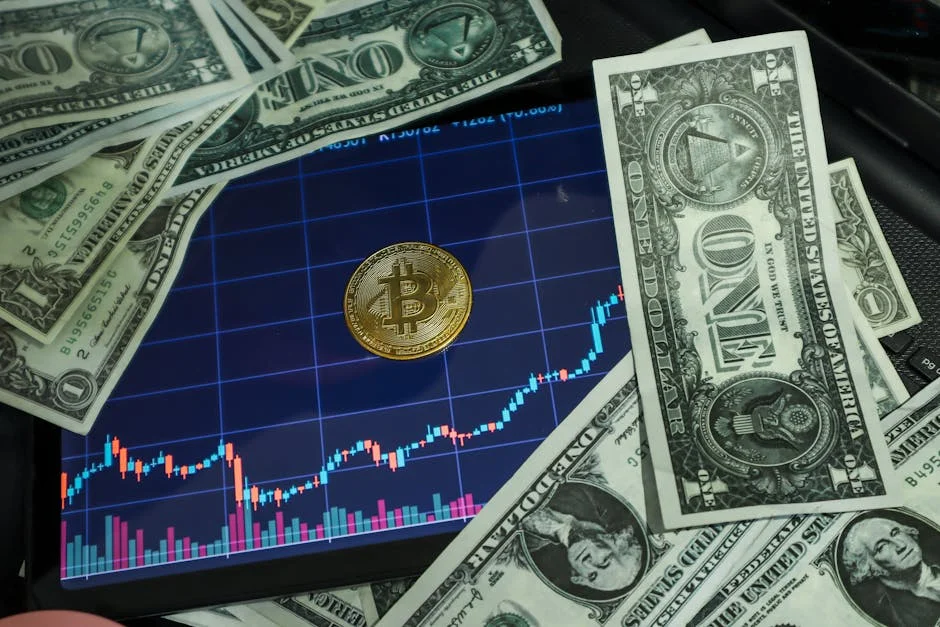
Bitcoin climbed above $76,000 on Tuesday as investors sought refuge in the digital asset amid a $14 billion exodus from decentralized finance (DeFi) platforms following a major hack of KelpDAO. The incident, which saw the platform’s funds drained in a single transaction, has sent shockwaves through the crypto market and raised concerns about security in the sector.
Market Volatility and Investor Anxiety
The KelpDAO breach has intensified fears among Indian crypto users, many of whom have seen their investments fluctuate wildly in recent months. The hack, which occurred on the Ethereum blockchain, has prompted a wave of panic selling, with several DeFi protocols reporting sharp declines in user activity.
“This is a wake-up call for everyone in the crypto space,” said Ravi Sharma, a crypto analyst based in Mumbai. “The lack of regulatory oversight and the complexity of smart contracts make these platforms highly vulnerable.”
Despite the turmoil, Bitcoin’s price has remained resilient. The cryptocurrency gained over 5% in the 24 hours following the hack, with traders betting on a long-term rebound. However, the broader DeFi sector is struggling, with total value locked (TVL) in DeFi protocols dropping by nearly 10% in the same period.
Impact on Indian Investors
For Indian investors, the KelpDAO incident underscores the risks of investing in unregulated DeFi platforms. Many users have lost confidence in the sector, with some opting to move their assets to more stable cryptocurrencies like Bitcoin or stablecoins.
“I’ve lost over 20% of my DeFi portfolio in the last week,” said Priya Mehta, a 28-year-old investor from Bangalore. “I’m now considering moving everything to Bitcoin, even though it’s volatile.”
The Indian government has been cautious about regulating cryptocurrencies, but the KelpDAO hack has renewed calls for stronger oversight. The Ministry of Finance has reportedly been reviewing proposals for a comprehensive crypto regulatory framework, though no formal announcement has been made yet.
DeFi’s Fragile Infrastructure
The KelpDAO hack highlights the vulnerabilities in DeFi’s decentralized architecture. Unlike traditional financial systems, DeFi platforms operate on smart contracts—self-executing code that lacks centralized oversight. Once a vulnerability is exploited, it is nearly impossible to reverse transactions.
“DeFi is built on trust in code, but the KelpDAO incident shows that even the most secure contracts can be exploited,” said Ankit Patel, a blockchain developer in Hyderabad. “This is a major problem for the industry.”
Some experts argue that the incident is a turning point for DeFi. “The market is learning that decentralization doesn’t always mean security,” said Meera Kapoor, a financial analyst in New Delhi. “Investors are now demanding more transparency and better risk management.”
Regulatory Response and Future Outlook
The Indian government has not yet issued a formal response to the KelpDAO hack, but the incident is likely to accelerate discussions around crypto regulation. The Reserve Bank of India (RBI) has previously expressed concerns about the risks associated with digital assets, and the current situation may push for more concrete measures.
“The government is under pressure to act,” said Sanjay Verma, a policy advisor in Mumbai. “Without clear regulations, the market will continue to be unstable, and investors will keep losing money.”
Meanwhile, the crypto community is closely watching for any signs of regulatory action. The Ministry of Finance is expected to release a draft policy in the coming weeks, which could include restrictions on DeFi platforms and new compliance requirements for exchanges.
What to Watch Next
The coming weeks will be critical for the crypto market in India. Investors are waiting for the government’s response to the KelpDAO hack, while the DeFi sector is scrambling to rebuild trust. Bitcoin’s price remains a key indicator of market sentiment, with analysts predicting a potential rally if the sector stabilizes.
For now, the focus is on the Ministry of Finance’s upcoming policy announcement. If the government introduces stricter regulations, it could reshape the crypto landscape in India. Meanwhile, investors are advised to proceed with caution and diversify their portfolios to mitigate risk.
See Also
- The Centre Waives Cotton Import Tax — Boosting Textile Exports and MSMEs
- Para Reveals Preference for Madrid Over NBA - Sparks Euroleague Excitement