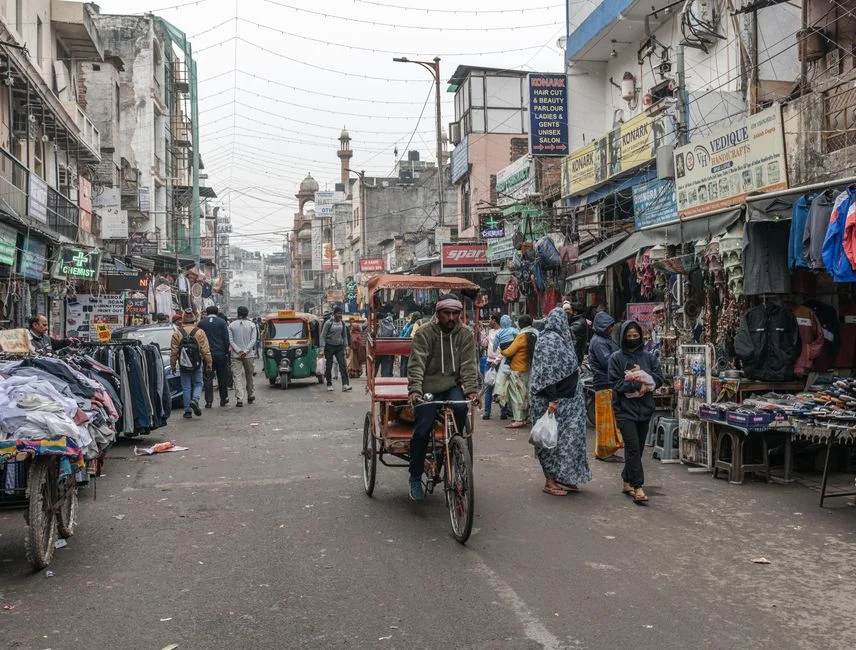
Oluwatobi Ogundipe, a 32-year-old teacher in Lagos, wakes up at 5am every day to catch a bus that will take him four hours to reach his school in the city centre. His story is not unique. As Nigeria’s housing crisis deepens, millions of residents in Lagos are struggling with soaring rents, overcrowded living conditions, and long commutes that drain their time and energy.
Lagos's Housing Shortage Hits Hard
The Nigerian government has failed to address the growing demand for affordable housing, leaving many residents to scramble for shelter in already overburdened areas. According to a 2023 report by the Lagos State Ministry of Housing, the city needs at least 3.5 million new housing units to meet current demand. Instead, only 150,000 units were built in the past five years, a fraction of what is required.
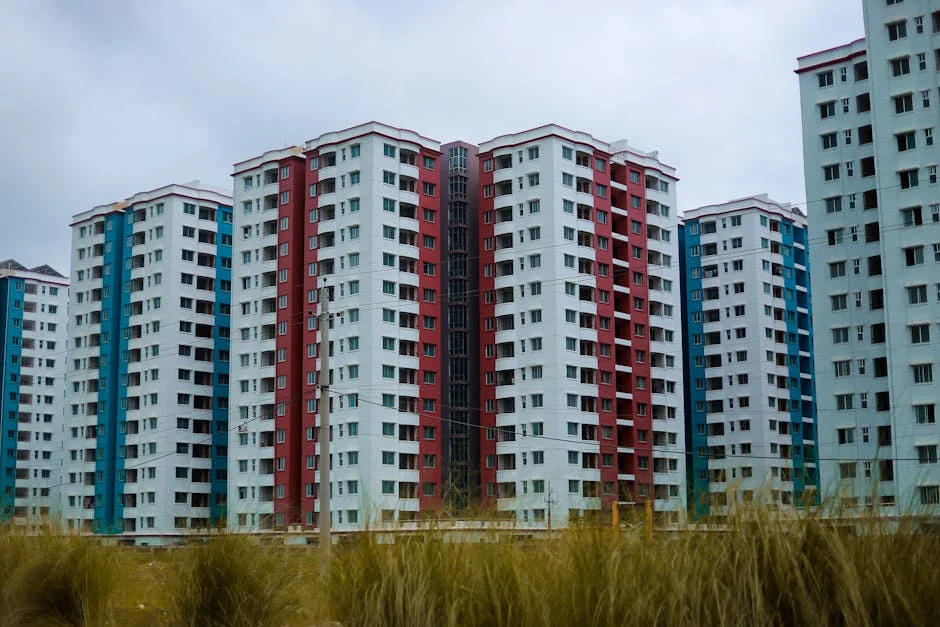
“We are living in a state of emergency,” said Oluwatobi Ogundipe. “Rents have doubled in the last two years, and we have nowhere else to go.” Many residents are now forced to live in informal settlements, where overcrowding and poor sanitation are common. The situation is particularly dire for low-income families, who spend up to 40% of their income on rent, leaving little for food or healthcare.
Commute Times Skyrocket
The housing crisis has also led to longer commutes. With no affordable housing near workplaces, many Lagosians are forced to travel for hours each day. A 2022 study by The Nigerian found that the average commute time in the city has increased by 30% since 2019. For those living in the outskirts, such as Ikorodu or Agege, the journey to central Lagos can take up to four hours, often in traffic.
“I leave home at 5am and get back at 9pm,” said Oluwatobi. “By the time I get home, I’m exhausted.” The long hours not only affect personal well-being but also reduce productivity and strain family life. Many workers are unable to spend time with their children or pursue further education, limiting opportunities for growth.
Impact on Local Economy
The housing crisis is also taking a toll on the local economy. With fewer people able to afford housing, demand for construction and real estate services has stagnated. Small businesses, particularly in informal markets, are struggling as customers and workers face long commutes and high living costs.
“We’re losing customers because people can’t afford to come to our shops,” said Adebayo Adeyemi, a shop owner in Ikeja. “Even if we lower prices, they don’t have the time or money to visit.” The ripple effects are felt across sectors, from transportation to retail, as the city’s economic potential is stifled by its housing shortages.
Government Response and Future Steps
The Nigerian government has announced plans to build 100,000 new housing units over the next two years, but critics say this is not enough. Oluwatobi Ogundipe and others in Lagos are calling for more urgent action, including subsidies for low-income families and investment in public transport to reduce commute times.
“We need policies that prioritise the needs of ordinary citizens,” he said. “The government can’t ignore the suffering of millions.” As the housing crisis continues, the pressure on both residents and officials is mounting. With no immediate solution in sight, the situation is likely to worsen unless more decisive action is taken.
The next few months will be critical. The Lagos State Ministry of Housing has scheduled a public consultation in June to discuss new housing strategies. Residents like Oluwatobi are hoping for real change, not just promises. For now, they continue to cope, one long commute at a time.
See Also
- Quebec Authorities Investigate Alleged Maple Syrup Scandal — Consumers Warned
- Flick Slams Racism in Football — and Sparks National Debate
Impact on Local Economy The housing crisis is also taking a toll on the local economy. Government Response and Future Steps The Nigerian government has announced plans to build 100,000 new housing units over the next two years, but critics say this is not enough.