London is facing severe disruption as a second 24-hour tube strike commenced today, leaving thousands of commuters stranded and causing chaos across the city. The strike, led by the Rail, Maritime and Transport (RMT) union, is the result of ongoing disputes over job cuts and changes to working conditions.
Impact on Daily Life in London
The tube strike has brought London's bustling transport network to a near standstill. Commuters who rely on the Underground for their daily travel have been forced to seek alternative routes, leading to overcrowded buses and increased traffic congestion. The situation has been exacerbated by a lack of available taxis, with many drivers also participating in the strike.
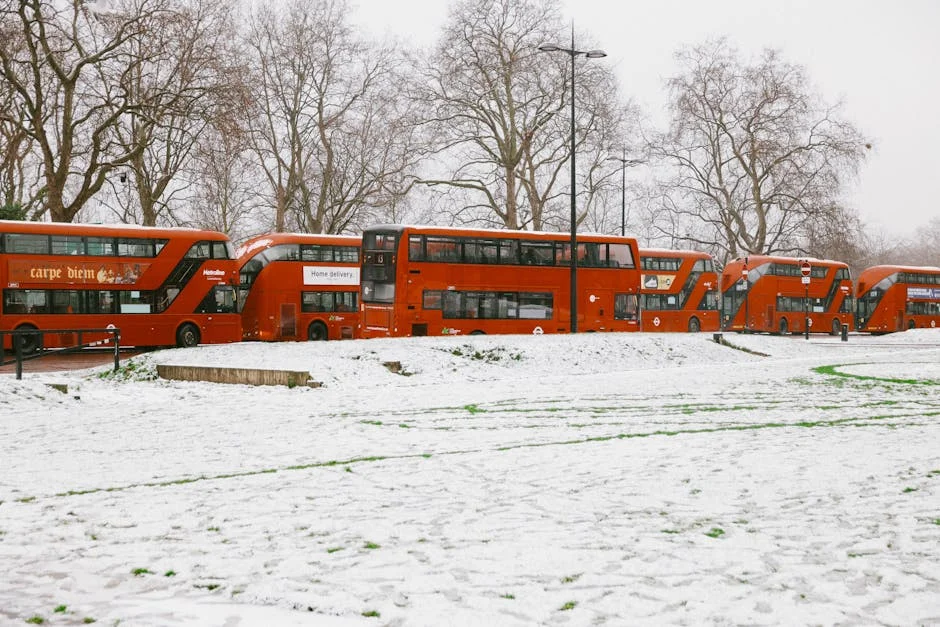
In particular, central London has seen the worst of the disruptions. Key stations like King's Cross and Waterloo have been eerily quiet, with platforms closed and services cancelled. For many residents, the strike has meant longer commute times and the need to leave home hours earlier than usual.
Economic and Social Ramifications
Businesses across London are feeling the pinch as employees struggle to reach their offices. The hospitality sector, already reeling from the impacts of the pandemic, faces further setbacks as potential customers find it difficult to travel into the city. Some businesses have reported a drop in foot traffic by as much as 50%, impacting their daily revenue.
Socially, the strike has sparked widespread frustration among Londoners, many of whom have taken to social media to express their dissatisfaction. "It's incredibly inconvenient," said Sarah Thompson, a regular commuter from Hackney. "It's not just about getting to work; it's about the impact on our everyday lives."
Union's Standpoint and Future Actions
Mick Lynch, General Secretary of the RMT, has reiterated the union's stance, stating that the strike is a necessary measure to protect jobs and maintain safe working conditions. The union argues that proposed cuts would lead to inadequate staffing levels, compromising safety for both employees and passengers.
The RMT has warned that if their demands are not met, further strikes could follow. This prospect has prompted calls for urgent negotiations between the union and Transport for London (TfL) to find a resolution.
What to Watch: Potential Resolutions and Next Steps
As the strike continues, all eyes are on the upcoming talks between the RMT union and TfL. These negotiations could be pivotal in determining whether the current impasse will be resolved or if further industrial action will ensue. Londoners are hoping for a swift resolution to restore normalcy to their daily commutes.
For those affected, staying informed about the latest developments and potential future strikes is crucial. TfL has advised commuters to check their website and social media channels for updates on service disruptions and alternative travel options.
See Also
- Epic Games Lays Off Over 1,000 Employees Amid Fortnite Slump
- Trump Slams Hungary's Orbán After Election Loss
What is the latest news about london tube strikes disrupt daily commute commuters left stranded?
Why does this matter for business-economy?
What are the key facts about london tube strikes disrupt daily commute commuters left stranded?