Kenya's Lake Turkana has become a site of tragedy as seven people have been killed in crocodile attacks this year, prompting urgent warnings from local authorities. The attacks have left communities along the lake's banks in fear, with residents describing a growing sense of danger that has disrupted daily life. The Ministry of Interior has issued alerts, urging people to avoid the water's edge and to report any sightings of the predators.
Deadly Attacks Shake Communities
Residents of Loito, a village on the eastern shore of Lake Turkana, have been the hardest hit. In the past month alone, three attacks have occurred, resulting in two deaths and multiple injuries. The most recent incident involved a 12-year-old boy who was dragged into the water while fetching firewood near his home. His mother, Amina Juma, said the attack left the village in shock. “It feels like death is certain,” she said. “We used to walk by the lake without fear, but now we can’t even go near the water.”
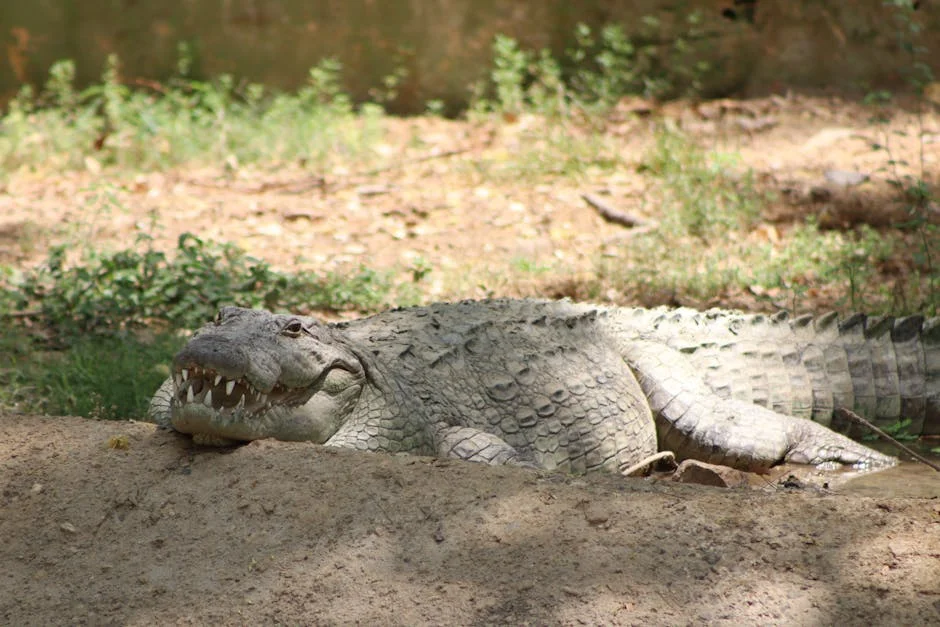
The attacks have also affected local livelihoods. Many residents rely on fishing and livestock rearing, but the rising number of crocodile sightings has made these activities increasingly risky. Fishermen in the region report avoiding the lake altogether, leading to a sharp decline in catches and income. “We can’t work if we’re afraid for our lives,” said David Lekupai, a local fisherman. “The government needs to do something before more people are lost.”
Government Response and Public Concern
The Kenyan government has responded by deploying rangers to patrol the lake’s perimeter and installing warning signs in vulnerable areas. However, many residents say the measures are insufficient. “We need more than just signs,” said Samuel Kipruto, a local community leader. “We need real action—maybe even relocation for those living closest to the lake.”
The Ministry of Interior has also launched an investigation into the surge in attacks, citing a possible increase in crocodile populations due to changes in water levels. Lake Turkana, the world’s largest permanent desert lake, has seen its water levels fluctuate in recent years, potentially altering the animals’ natural habitats. “This is a complex issue,” said a ministry spokesperson. “We are working with environmental experts to understand the full impact.”
Health and Safety Risks
Health workers in the region report a rise in trauma cases, with many victims requiring emergency surgery after attacks. Dr. Nalangu Mwangi, a local physician, said the hospital in Loito has treated over 20 people in the past six months. “We’re seeing severe injuries that require long-term care,” he said. “This is not just a wildlife issue—it’s a public health crisis.”
Local schools have also been affected, with some parents keeping children home out of fear. In Loito, a primary school has reported a 30% drop in attendance since the attacks began. “We can’t let fear dictate our children’s education,” said school headteacher Lillian Njoroge. “But we also can’t ignore the risks.”
Environmental and Social Factors
Experts suggest that climate change and human encroachment may be contributing to the rise in attacks. Lake Turkana’s water levels have dropped significantly over the past decade, pushing crocodiles closer to human settlements in search of food. “This is a sign of an ecosystem under stress,” said Dr. Mercy Kipchoge, an environmental scientist. “We need to find a balance between conservation and community safety.”
Community leaders are calling for a multi-pronged approach, including better education on crocodile safety, improved infrastructure to keep people away from the water, and long-term environmental planning. “We need to protect our people and our environment,” said community representative Joseph Lekupai. “It’s time for the government to take this seriously.”
What Comes Next?
The Kenyan government has announced plans to hold a national summit on wildlife and human conflict in the coming months. This will bring together environmentalists, local leaders, and officials to discuss long-term solutions. In the meantime, the Ministry of Interior has urged residents to remain cautious and report any crocodile sightings immediately.
For now, communities around Lake Turkana continue to live under the shadow of the deadly predators. As the season of dry weather approaches, the risk of further attacks is expected to rise. Residents are watching closely, hoping for a swift and effective response before more lives are lost.
See Also
- Santaco responds to two fatal taxi accidents: community fears rise over safety
- Lewandowski Keeps La Liga Fans on Edge — What It Means for Local Clubs
“But we also can’t ignore the risks.” Environmental and Social Factors Experts suggest that climate change and human encroachment may be contributing to the rise in attacks. Lake Turkana’s water levels have dropped significantly over the past decade, pushing crocodiles closer to human settlements in search of food.