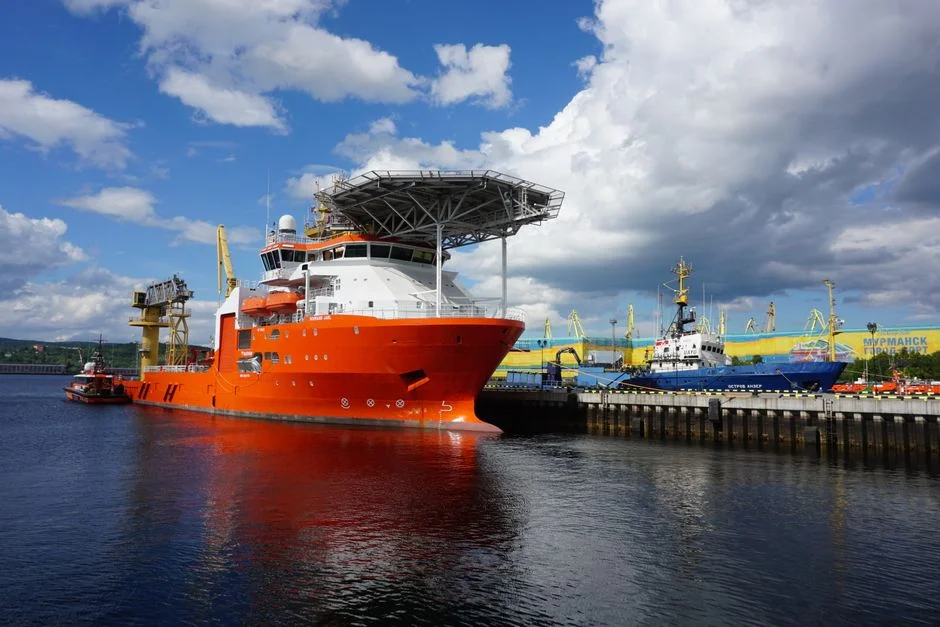
China's aircraft carrier, the Shandong, recently traversed the Taiwan Strait, prompting immediate reactions from Taiwan's government. The move comes amid heightened regional tensions and has raised concerns among local communities about the potential for increased military activity in the area. The incident underscores the growing strategic presence of China in the region, with implications for nearby countries like India.
Regional Security Concerns
The passage of the Shandong through the Taiwan Strait has been interpreted as a demonstration of China's military capabilities. The carrier, which is part of the People's Liberation Army Navy, is one of the most advanced vessels in China's fleet. Its movement through the strait, a critical maritime route, signals a shift in naval strategy and has alarmed regional actors. The Indian Ministry of External Affairs has expressed concern, noting the potential for increased instability in the Indo-Pacific region.
Local analysts in India have highlighted the strategic implications of the carrier's movement. "This is a clear signal of China's growing naval dominance," said Dr. Rajiv Sharma, a defence expert at the Institute for Defence Studies and Analyses. "It could lead to more frequent military exercises and increased patrols near India's eastern coast, which may affect our maritime security."
Impact on Local Communities
While the immediate impact on Indian citizens may not be direct, the broader strategic shift has already begun to influence local economies. Coastal states like Tamil Nadu and Andhra Pradesh, which rely heavily on maritime trade, are closely monitoring the situation. The Indian government has urged vigilance, with the National Security Council (NSC) convening an emergency meeting to assess the implications.
The incident has also sparked discussions in local media about the need for greater investment in India's naval capabilities. "We cannot afford to be left behind," said a spokesperson for the Indian Navy. "Our ability to project power in the region is crucial for maintaining stability."
Historical Context and Strategic Implications
The Taiwan Strait has long been a flashpoint in China's foreign policy. The Chinese government views Taiwan as an integral part of its territory, and any military activity in the region is seen as a potential threat. The Shandong's passage comes just weeks after a major naval exercise involving Chinese and Russian forces, further intensifying regional anxieties.
India, which has maintained a neutral stance on the Taiwan issue, is now being drawn into the geopolitical web. The Indian government has called for dialogue and peaceful resolution, but the growing military presence of China in the region is forcing a reevaluation of India's strategic posture. "This is a wake-up call," said a senior diplomat. "We need to strengthen our alliances and enhance our maritime capabilities."
What to Watch Next
India is expected to announce new measures to bolster its naval infrastructure in the coming weeks. The government has already approved a budget increase for the Indian Navy, with a focus on modernising its fleet and expanding its presence in the Indo-Pacific. Additionally, India is set to participate in joint naval exercises with the United States and Japan, which could signal a shift in regional alliances.
Regional leaders are also preparing for a series of high-level meetings, including the ASEAN summit in Jakarta, where the issue of maritime security is expected to be a key topic. The next few months will be critical in determining how the region responds to China's growing influence.
Public Reaction and Social Impact
Public sentiment in India has been mixed. While some citizens express concern over the potential for conflict, others view the situation as a call to action. Social media platforms have seen a surge in discussions about national security, with many urging the government to take a more assertive stance.
Local communities near the coast have also taken notice. Fishermen in Tamil Nadu, for example, have reported increased naval activity in their waters, leading to concerns about the impact on their livelihoods. "We hope the government can manage this situation carefully," said a local fisherman. "We don't want to be caught in the middle of a larger conflict."
The incident has also led to a rise in educational initiatives about the role of aircraft carriers in modern warfare. Schools and universities in major cities like Delhi and Mumbai have begun incorporating the topic into their curricula, with a focus on understanding the geopolitical implications of such movements.
See Also
- US Forces Linked to Iran School Strike: What It Means for Regional Stability
- Egypt Conducts Military Drills Near Israel — Sparks Regional Concerns