Washington has once again criticised New Delhi for its continued purchases of Russian crude oil, escalating diplomatic tensions at a time when bilateral ties face mounting scrutiny over energy trade. The latest warning from senior US officials came during a Senate hearing last week, where lawmakers pressed the State Department on whether India faces meaningful consequences for buying Russian energy at a time when Western sanctions aim to isolate Moscow. India has repeatedly rejected outside interference in its energy security decisions, insisting that purchasing discounted crude serves its national interests. Citizens across India are watching closely, as the dispute could ultimately affect fuel prices at the pump and the broader relationship with a key strategic partner.
Washington's Renewed Warning
Assistant Secretary of State for South and Central Asian Affairs Erica Roche told the Senate Foreign Relations Committee on Thursday that the United States remains deeply concerned about India's growing dependence on Russian oil. "We have made our position clear to New Delhi at every level," Roche testified. "Supporting Russia's energy revenues undermines the international consensus against Moscow's actions." The State Department has summoned Indian diplomats multiple times since 2022 to express displeasure, yet India's imports of Russian crude have actually increased. Figures from trade analytics firm Kpler show India imported approximately 1.6 million barrels per day of Russian crude in February, up from virtually zero before the Ukraine conflict began.
India's Position
External Affairs Minister S. Jaishankar defended India's purchasing decisions in a press conference in New Delhi last month, arguing that energy security is a sovereign matter. "We buy from many sources. Nobody tells us where to buy our pulses or wheat," Jaishankar said, referring to earlier criticism. India's refiners, including Indian Oil Corporation and Reliance Industries, have snapped up Russian barrels at significant discounts to Middle Eastern benchmarks, saving the country billions in import costs annually. The discount has averaged around $3 to $5 per barrel below Brent crude prices, according to shipping data from Refinitiv. New Delhi maintains it has not violated any sanctions and is simply responding to market forces.
Impact on Fuel Prices
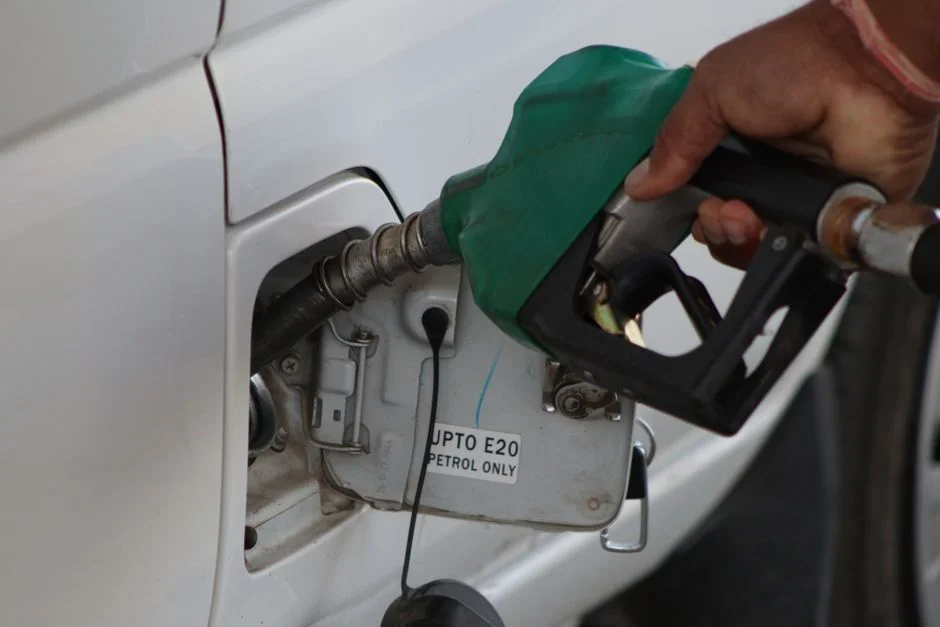
The dispute has real consequences for Indian consumers. Lower Russian oil prices have helped keep retail fuel costs in check across the country, where petrol prices in major cities currently hover around ₹105 per litre in Delhi and ₹110 in Mumbai. Energy analysts estimate that India's switch to cheaper Russian crude has trimmed import bills by roughly $10 billion over the past two years, savings that have been partially passed on to consumers. However, if the US imposes secondary sanctions or forces refiners to curb Russian purchases, crude costs could rise. That would push petrol and diesel prices higher at a time when household budgets are already strained by inflation, directly affecting daily commuters, truck operators, and farmers who depend on subsidised diesel.
Strategic Complications
The oil dispute complicates a relationship the US has worked hard to cultivate. Washington sees India as a critical counterweight to China in the Indo-Pacific and has invested heavily in the QUAD partnership, defence sales, and technology sharing. Yet Russia's invasion of Ukraine exposed a fault line. While India joined consensus statements at the United Nations condemning Russian aggression, it refused to impose sanctions or downgrade diplomatic engagement with Moscow. Defence analysts in New Delhi note that India remains heavily reliant on Russian military hardware, a dependency that spans decades of arms purchases and maintenance contracts worth billions of dollars. Breaking that logistically would take years and enormous expense.
QUAD and the China Factor
US Indo-Pacific Command officials have privately expressed frustration that India's oil trade with Russia potentially benefits Beijing, since Russian energy revenues fund purchases of Chinese goods and technology. Some Republican senators have proposed conditioning military aid to India on energy diversification, though no legislation has advanced. The Biden administration has preferred quiet diplomacy over public confrontation, seeking to preserve the broader strategic relationship while making clear its displeasure on energy matters.
What Happens Next
Industry watchers expect the US to wait until after India's general election cycle concludes before taking any punitive steps, given Washington's reluctance to appear interfering in a foreign democracy's internal politics. Prime Minister Narendra Modi's government has made energy affordability a centrepiece of its economic pitch, making any US pressure politically delicate. Look ahead to the G20 energy ministers meeting in Brazil this October, where US officials may push for a joint statement on reducing dependency on sanctioned producers. Whether India signs on remains uncertain, but refiners in Mumbai and Chennai will be watching the price spreads carefully. If discounts on Russian crude narrow as sanctions enforcement tightens, Indian consumers could feel the pinch at the pump before the end of the year.
See Also
- Air India Flight Grounded After Tail-Strike — What It Means for Travellers
- BJP Shatters TMC’s Bengal Hegemony — What Changes for Citizens
Energy analysts estimate that India's switch to cheaper Russian crude has trimmed import bills by roughly $10 billion over the past two years, savings that have been partially passed on to consumers. Washington sees India as a critical counterweight to China in the Indo-Pacific and has invested heavily in the QUAD partnership, defence sales, and technology sharing.