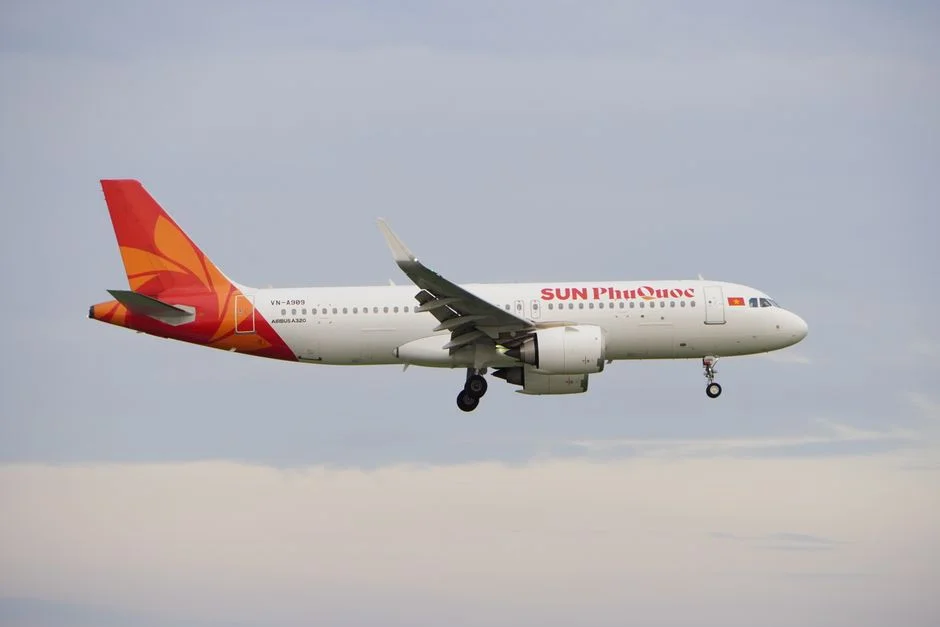
An Air India passenger jet sustained damage to its tail section during a routine landing in Bengaluru, forcing the aircraft to be grounded and disrupting travel plans for dozens of commuters. The incident occurred at Kempegowda International Airport, where the Boeing 737 MAX 8 made contact with the tarmac as it touched down. This event highlights the ongoing operational challenges facing one of India's largest carriers and raises immediate questions about flight reliability for the capital and the tech hub.
Incident Details and Immediate Aftermath
The aircraft, operating on a scheduled service from Delhi, experienced a tail-strike upon arrival. A tail-strike happens when the rear of the fuselage touches the runway before the main landing gear makes full contact, often due to a steep descent angle or high speed. Crews reported that the landing appeared stable initially, but the impact caused visible scuffing on the horizontal stabilizers. No injuries were reported among the passengers and crew members, which remains the primary relief in such mechanical incidents.
Passengers were evacuated from the plane using emergency slides, a standard procedure that can be both reassuring and alarming depending on the crowd's mood. Many travellers expressed frustration on social media platforms, sharing photos of the stranded aircraft and the long wait times. The disruption extended beyond the immediate flight, causing ripple effects for connecting passengers who missed their onward journeys to other domestic and international destinations. This level of disruption directly impacts the daily routine of professionals and families relying on air travel.
Air India officials confirmed that the aircraft was towed to a maintenance hangar for a thorough inspection. Engineers need to assess the structural integrity of the tail section to determine if the damage is cosmetic or structural. This process can take anywhere from a few hours to several days, depending on the severity of the impact and the availability of spare parts. The grounding of the plane means that the specific registration number will be out of commission until cleared by the Directorate General of Civil Aviation (DGCA).
Impact on Delhi and Bengaluru Commuters
For citizens in Delhi and Bengaluru, this incident is more than a statistical blip; it is a direct interruption of their daily lives. The Delhi-Bengaluru route is one of the busiest air corridors in India, connecting the political capital with the country's premier technology hub. Business travellers, students, and visiting relatives all rely on this link, and any disruption sends shockwaves through the local economy. Delays can mean missed meetings, postponed surgeries, and extended hotel stays, all of which add financial and mental stress to the traveller.
The local communities around the airports also feel the impact. Traffic congestion often spikes when multiple flights are delayed or cancelled, affecting taxi drivers, ride-sharing partners, and airport staff. In Bengaluru, the traffic around the airport can become gridlocked, leading to longer commute times for residents in nearby suburbs. Similarly, in Delhi, the arrival of a delayed flight can alter the evening rush hour dynamics at Indira Gandhi International Airport. These local effects are often overlooked in broader aviation reports but are felt acutely by the residents of these cities.
Small businesses that depend on the constant flow of passengers, such as cafes, retail shops, and car rental agencies, may see a dip in revenue when flights are grounded. If this incident leads to a broader review of landing procedures or runway maintenance, it could result in temporary changes in flight schedules. These changes can further affect the predictability of travel, which is crucial for the service-oriented economies of both Delhi and Bengaluru. The reliability of air travel is a key factor in the competitive advantage of these metropolitan areas.
Community Response and Social Media Reaction
Social media has become a primary source of information and frustration for passengers. Users on platforms like X (formerly Twitter) have been vocal about their experiences, tagging Air India and the DGCA to demand updates. This digital outcry puts pressure on the airline to communicate effectively and transparently. In the age of instant updates, silence from the carrier can lead to a loss of trust among the travelling public. Passengers expect real-time information regarding rebooking options, compensation, and the status of their baggage.
Local community groups and passenger rights associations have also weighed in, calling for better compensation policies for delayed and cancelled flights. These groups argue that while tail-strikes are somewhat common in aviation, the handling of the aftermath by airlines often leaves passengers feeling undervalued. The demand for standardized compensation, such as meal vouchers, hotel stays, and refundable tickets, is growing stronger. This social pressure is forcing airlines to improve their customer service protocols to retain loyalty in a competitive market.
Aviation Safety and Regulatory Oversight
The Directorate General of Civil Aviation (DGCA) plays a critical role in ensuring that such incidents are thoroughly investigated. The regulator will likely conduct a preliminary inquiry to determine if there were any procedural lapses by the flight crew or ground staff. This investigation is crucial for maintaining public confidence in the safety of Indian aviation. The DGCA's findings can lead to recommendations for training improvements or changes in operational guidelines for specific aircraft models.
Air India, as the national carrier, is under constant scrutiny to maintain high safety standards. The airline has been undergoing a period of restructuring and modernization, with a focus on upgrading its fleet and improving service quality. Incidents like this tail-strike test the resilience of these improvements and the effectiveness of the airline's maintenance schedules. The Boeing 737 MAX 8, which was involved in this incident, has been a key part of Air India's strategy to expand its domestic and short-haul international routes.
Safety in aviation is not just about the aircraft but also about the systems that support it. This includes weather monitoring, air traffic control communication, and runway conditions. In Bengaluru, the unique weather patterns, including sudden downpours and crosswinds, can affect landing procedures. Pilots must be well-trained to handle these variables, and the airport infrastructure must be equipped to provide accurate data to the cockpit. The collaboration between the airline, the airport authority, and the regulator is essential for minimizing the risk of such incidents.
Economic Implications for the Region
The economic impact of aviation disruptions extends beyond the immediate costs of the flight. For Bengaluru, which hosts a significant portion of India's IT and startup sectors, the ease of travel for employees and clients is vital. If passengers perceive the Delhi-Bengaluru route as unreliable, they may opt for alternative modes of transport, such as trains or buses, or even consider relocating their business operations. This could have long-term implications for the city's attractiveness as a business destination.
In Delhi, the airport is a gateway to the National Capital Region (NCR), which includes major economic centers like Gurgaon and Noida. Any disruption in air connectivity can affect trade, tourism, and investment flows. The NCR relies on the constant movement of people and goods, and air travel is a key component of this logistics network. A grounded flight can delay the arrival of critical documents, equipment, or personnel, causing bottlenecks in various industries.
The local economies around the airports also depend on the steady stream of passengers. Hotels, restaurants, and transport services see a direct correlation between flight schedules and their revenue. A significant number of grounded flights can lead to a noticeable dip in local spending. This effect is particularly pronounced in Bengaluru, where the airport is surrounded by a dense cluster of commercial and residential properties. The economic ripple effect of a single incident can be felt by hundreds of local businesses.
Looking Ahead: What Passengers Should Watch
Passengers travelling on the Delhi-Bengaluru route should monitor Air India's official communications for updates on flight status and compensation policies. The airline is expected to release a detailed report on the incident within the next few weeks, which will provide more clarity on the cause of the tail-strike. This report will be a key document for understanding the safety measures in place and any potential changes to flight operations. Travellers should also consider purchasing travel insurance that covers mechanical delays and cancellations.
The DGCA's investigation will likely conclude with a set of recommendations for Air India and other carriers. These recommendations could lead to changes in pilot training, maintenance schedules, or runway usage at Kempegowda International Airport. It is important for the public to stay informed about these regulatory updates, as they can impact the reliability of future flights. The coming months will be critical for assessing the effectiveness of the corrective actions taken by the airline and the regulator.
As the investigation progresses, the focus will shift to preventing similar incidents in the future. This may involve technological upgrades, such as better landing gear sensors or improved weather forecasting tools. The collaboration between Air India, the DGCA, and the airport authorities will be crucial in implementing these changes. For citizens and communities in Delhi and Bengaluru, the ultimate goal is a smoother, more reliable air travel experience that supports the dynamic economies of these two major cities. Watch for the official DGCA bulletin scheduled for release next month for the final verdict.
See Also
- Bihar Police Probe Fatal Scorpio Crash in Khagaria
- India Celebrates Sheikh Mujibur Rahman's Vision — Impacts Bangladesh Relations