The Central Board of Secondary Education (CBSE) has introduced a major overhaul of its curriculum, shifting away from rote learning towards a more analytical and critical thinking-based approach. The reforms, announced in June 2024, aim to reshape how students in India learn, with a focus on problem-solving and creativity. The move has already begun to impact students, teachers, and parents in cities like Delhi, Mumbai, and Bangalore, where schools are adapting to the new guidelines.
What is Rote Learning and Why Is It Changing?
Rote learning refers to the method of memorising information without understanding its meaning. For decades, this approach dominated Indian education, with students often relying on repetition to pass exams. However, critics argue that this method stifles creativity and fails to develop real-world skills. The CBSE's decision to phase out rote learning comes after years of pressure from educators, parents, and international education bodies.
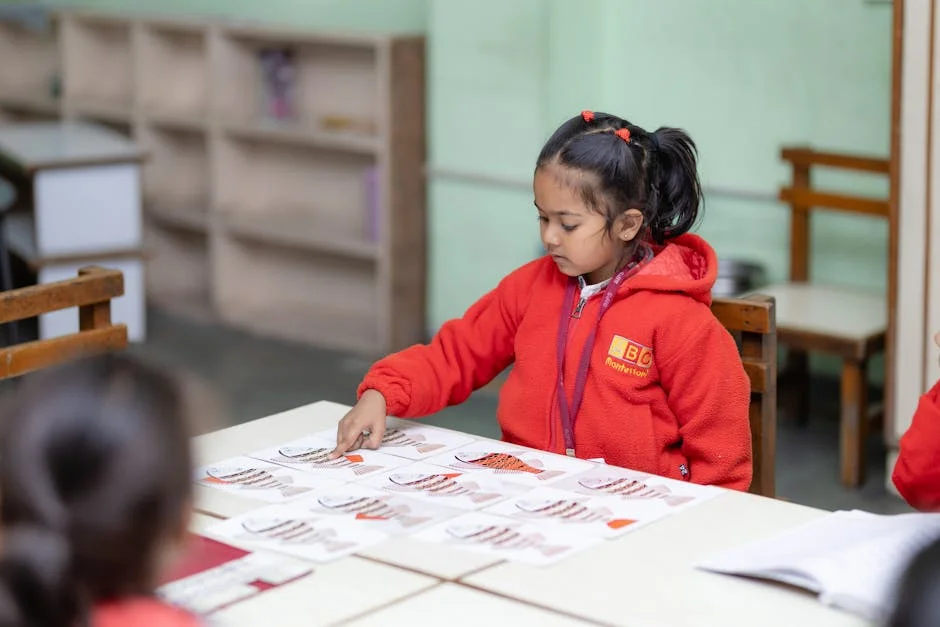
The new curriculum, which applies to classes 1 to 12, includes more project-based assessments, fewer memorisation-heavy subjects, and an emphasis on interdisciplinary learning. The board has also introduced a 30% reduction in the amount of content to be covered in each academic year. "This is a long-overdue change," said Dr. Anjali Sharma, a senior education officer in Delhi. "We want students to think, not just remember."
Impact on Students and Teachers
Students in the 10th and 12th grades, who are preparing for board exams, are the first to feel the shift. Many are struggling with the new exam pattern, which includes more open-ended questions and less emphasis on textbook answers. In Mumbai, a survey by the Mumbai Education Forum found that 65% of students reported feeling unprepared for the new format. "I used to memorise chapters and score well," said Priya Deshmukh, a 12th-grade student. "Now, I have to understand the concepts, which is harder."
Teachers, too, are facing challenges. Many have had to retrain to adopt new teaching methods. In Bangalore, the government has launched a series of workshops for educators to help them transition from traditional methods to more interactive teaching. "It's a big shift, but necessary," said Rajesh Mehta, a high school teacher. "We need to prepare students for a world that values innovation, not just memory."
Community Response and Parental Concerns
Parents are divided. Some support the change, believing it will better prepare children for the future. Others worry about the immediate effects on exam results. In Hyderabad, a local parent association held a meeting to discuss the implications of the new curriculum. "We want our children to think critically, but we also need to know how they will perform in exams," said Meera Khan, a parent of two students.
Community leaders have also weighed in. In Kolkata, the West Bengal Education Association has called for more support for schools and teachers. "The transition must be smooth," said Arjun Roy, a member of the association. "We need resources, training, and time to adapt."
Regional Variations and Implementation Challenges
The implementation of the new curriculum varies across states. In Tamil Nadu, for example, the state government has announced its own set of changes, aligning with CBSE but adding local content. In contrast, states like Rajasthan are still in the process of updating their syllabi and teacher training programs. "There's a lot of work to be done," said Ravi Kumar, a state education official in Rajasthan. "We need to ensure that all schools, especially in rural areas, are equipped to handle the changes."
Some schools in rural areas are struggling to keep up. In Odisha, where access to digital tools is limited, teachers are finding it difficult to incorporate project-based learning. "We don’t have enough materials or technology," said Suman Patra, a teacher in a village school. "We need more support from the government."
What Comes Next?
The CBSE has set a timeline for full implementation by 2026. By then, all schools under its jurisdiction must have adapted to the new teaching methods. The board has also announced a review process in 2025 to assess the effectiveness of the changes. "This is a long-term initiative," said CBSE Chairman Manoj Ahuja. "We are committed to making education more meaningful for students."
As the changes take hold, the focus will shift to how well students and teachers can adapt. Parents, educators, and policymakers will be watching closely to see if the new system truly fosters critical thinking and prepares students for the challenges of the future.
See Also
- Students Tune In To Top National And World Sports Updates At March Assembly
- Crimson Desert Update Sparks Fears of Worsening Drought in India
"We want our children to think critically, but we also need to know how they will perform in exams," said Meera Khan, a parent of two students. Parents, educators, and policymakers will be watching closely to see if the new system truly fosters critical thinking and prepares students for the challenges of the future.