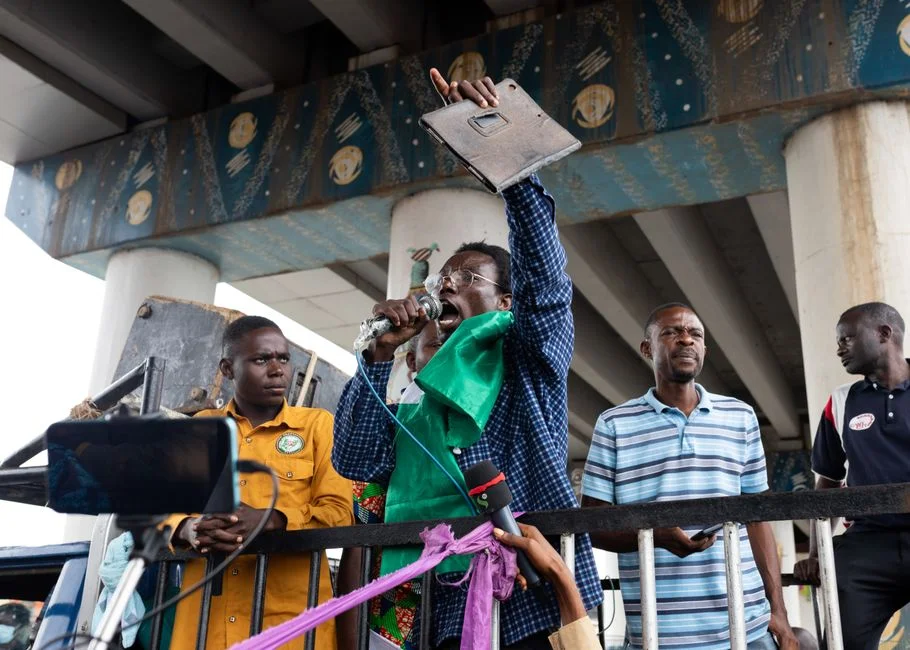
Carlos Alves, the executive secretary of the UGT (General Union of Workers), has announced his opposition to a new labour reform bill, sparking concern among workers in the Lisbon region. The bill, introduced by the Ministry of Labour, aims to streamline employment contracts but faces criticism for potentially weakening worker protections. Alves, a prominent figure in Portugal’s labour movement, has vowed to mobilise unions against the proposal, warning of increased job insecurity for thousands of workers.
Labour Reforms Spark Concern Among Workers
The proposed bill, set for a parliamentary vote next week, includes changes to temporary employment contracts and severance pay. Critics argue that the reforms could make it easier for employers to terminate workers, especially in sectors like construction and retail. In Lisbon, where unemployment remains above the national average, the move has raised fears of job losses and reduced workplace rights.

Alves, who has led UGT since 2019, stated that the reforms “undermine the hard-won rights of workers.” He pointed to a 2022 study by the Portuguese Institute of Labour that found 38% of workers in Lisbon had experienced unstable employment conditions. “This bill will only deepen that instability,” he said.
Impact on Daily Life and Local Economy
The potential changes could have a direct impact on daily life for workers in Lisbon and surrounding areas. Many rely on stable contracts to manage household expenses, including rent and healthcare. A survey by the Lisbon Chamber of Commerce found that 62% of small businesses in the region are concerned about the new rules, fearing increased costs and legal uncertainties.
Local businesses, particularly in sectors like hospitality and retail, are divided. While some see the reforms as a way to reduce operational costs, others worry about the long-term effects on employee retention. “We need flexibility, but not at the cost of worker safety,” said Maria Ferreira, owner of a family-run restaurant in the city centre.
Community Response and Protests
Unions across Portugal have already begun planning protests ahead of the vote. The UGT, along with other major unions, has called for a nationwide strike on 15 September if the bill passes. In Lisbon, where protests are common, the movement has gained momentum, with social media campaigns highlighting the potential consequences of the reforms.
Community leaders have joined the call, urging citizens to voice their concerns. “This is not just about workers—it’s about the future of our economy,” said João Silva, a local council member in Lisbon’s Alfama district. “If workers are not protected, the whole community suffers.”
Political Tensions and Next Steps
The government, led by Prime Minister António Costa, has defended the reforms as necessary to boost competitiveness and attract investment. However, the opposition has accused the ruling party of ignoring the concerns of working-class citizens. The bill is expected to face a crucial vote in the Portuguese parliament on 12 September, with Alves and UGT vowing to challenge it fiercely.
With the deadline approaching, the pressure on both the government and unions is mounting. Alves has called on citizens to join the protests and demand transparency. “This is a moment of decision,” he said. “We will not let workers be sacrificed for political gain.”
What to Watch Next
As the parliamentary vote nears, the outcome will determine the future of employment rights in Portugal. If the bill passes, it could lead to widespread protests and potential strikes. If it fails, the government may face criticism for not addressing economic challenges. Citizens across Lisbon and beyond are watching closely, aware that the decision could shape their livelihoods for years to come.
See Also
- Putin summons war veterans for police duty — what this means for local security
- BMA Launches Anti-Corruption Drive at Ports - What It Means for Indian Citizens