The United States Army has officially raised the maximum age for enlistment to 42, a move that marks a significant shift in recruitment policy. The decision, announced by the Army’s Chief of Staff General James McConville, comes amid ongoing challenges in meeting annual recruitment targets. The change, effective from 1 January 2024, aims to address a growing shortage of qualified candidates, particularly in technical and specialized roles. The shift has sparked debate among military analysts and local communities in the US, raising concerns about the long-term implications for national security and regional employment opportunities.
Why the Change? A Shift in Recruitment Strategy
The US Army’s decision to increase the enlistment age was driven by a combination of factors, including a shrinking pool of eligible young adults and rising competition from the private sector. According to a 2023 report by the Department of Defense, only 25% of 17- to 24-year-olds in the US meet the physical and educational standards for military service. This figure has dropped by 10% over the past five years, prompting the Army to rethink its approach. General McConville stated that the policy change would allow the Army to tap into a broader talent pool, including older individuals with relevant skills and experience.
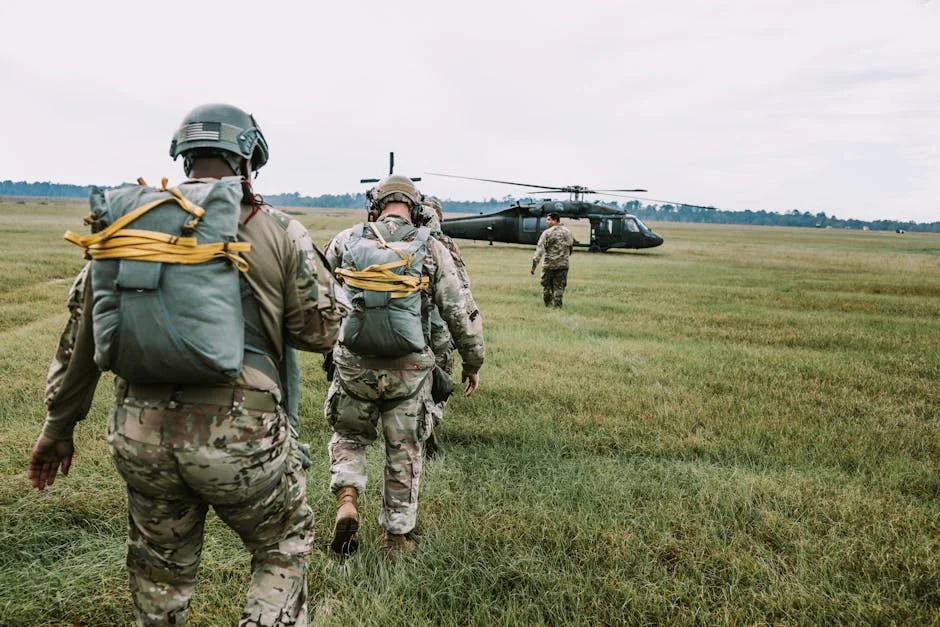
The move is also a response to the increasing demand for technical expertise in modern warfare. Roles in cyber operations, engineering, and intelligence now require higher levels of education and training, which many younger recruits lack. By raising the age limit, the Army hopes to attract professionals with degrees in STEM fields and experience in high-tech industries. However, this strategy has drawn criticism from some community leaders in cities like San Antonio, Texas, where the Army has historically relied on local youth for recruitment.
Impact on Local Communities and Recruitment Hubs
Communities that have long relied on military recruitment as a source of stable employment are now facing uncertainty. In San Antonio, where Joint Base San Antonio is one of the largest military installations in the country, the change could affect thousands of families. Local leaders have expressed concerns that the policy shift may reduce the number of young people entering the Army, impacting the local economy and job market. “The military has been a cornerstone of our community for decades,” said Maria Gonzalez, a local council member. “This change could have a ripple effect on our schools, businesses, and social services.”
Some regional experts argue that the policy could also affect the diversity of the Army. Historically, younger recruits from underrepresented communities have played a vital role in shaping the force. With the new age limit, the Army may struggle to maintain this diversity, particularly in regions where younger populations are already declining. “This is not just about numbers,” said Dr. Aisha Johnson, a defense analyst at the University of Texas. “It’s about ensuring that the Army reflects the communities it serves.”
Regional Response and Public Reaction
Public reaction to the policy has been mixed. While some see it as a necessary step to modernize the military, others worry about the long-term effects on local recruitment efforts. In rural areas of Texas and Oklahoma, where military service has traditionally been a key career path, the change has raised questions about future opportunities for young people. “I grew up in a family where military service was a given,” said James Carter, a 19-year-old from Oklahoma. “Now, I’m not sure if I’ll have the same options.”
The policy has also sparked a broader conversation about the role of the military in American society. Some community leaders are calling for increased investment in education and vocational training to prepare younger generations for both military and civilian careers. “We need to create more pathways for young people to succeed,” said Linda Ramirez, a director at the San Antonio Chamber of Commerce. “The Army is part of that, but we can’t rely on it alone.”
Alternative Recruitment Strategies
In response to the new policy, the Army is exploring alternative recruitment methods, including partnerships with universities and private-sector employers. The service has also launched a new initiative to attract veterans and former service members who may be interested in returning to active duty. These efforts are being tested in regions like North Carolina and Georgia, where military bases are located near major cities. However, the success of these strategies remains to be seen.
At the same time, the Army is investing in training programs designed to help older recruits meet the physical and mental demands of service. These programs include specialized fitness regimens and mental health support. “We’re not just looking for younger bodies,” said Army Recruiting Command Director Colonel David Harris. “We’re looking for individuals who are ready to serve, regardless of their age.”
What Comes Next? The Road Ahead for the US Army
As the new policy takes effect, the US Army is preparing for a period of adjustment. Recruitment numbers for the 2024 fiscal year will be closely monitored, with officials assessing the impact on both the service and local communities. The Army has also announced plans to conduct a comprehensive review of its recruitment strategy by mid-2025, with the goal of refining its approach based on real-world data and feedback.
For now, the focus remains on adapting to the changing landscape of military service. With the new age limit in place, the Army is entering a new chapter—one that will test its ability to remain a vital part of American society while evolving to meet the needs of a modern world.
See Also
- John Dramani Mahama Launches Campaign to Recognise Slave Trade as Crime Against Humanity
- Jacob Ngarivhume Explores Zimbabwe’s Diaspora and Sovereignty in Exile
“It’s about ensuring that the Army reflects the communities it serves.” Regional Response and Public Reaction Public reaction to the policy has been mixed. In rural areas of Texas and Oklahoma, where military service has traditionally been a key career path, the change has raised questions about future opportunities for young people.
What is the latest news about us army ramps up enlistment age to 42 recruitment challenges loom?
Why does this matter for politics-governance?
What are the key facts about us army ramps up enlistment age to 42 recruitment challenges loom?