Bombay High Court delivered a scathing assessment of Mumbai's annual flooding crisis on Thursday, placing direct responsibility on citizens rather than placing the blame solely on civic authorities. The court asked why the Brihanmumbai Municipal Corporation should bear criticism for flooding when commercial encroachments on public footpaths have become the norm across the city.
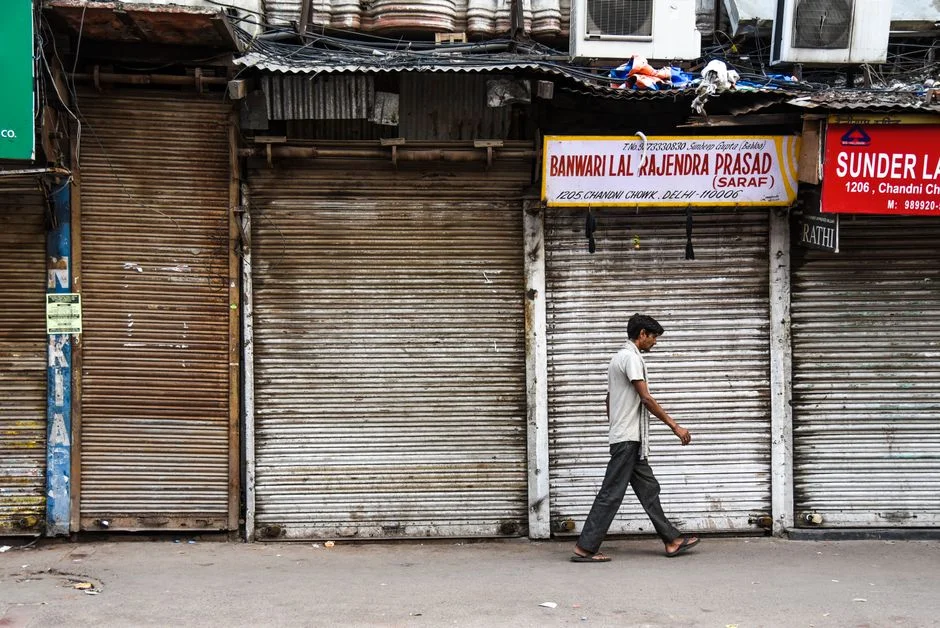
"We turned footpaths into pav bhaji stalls," the bench observed, highlighting how illegal commercial activities have consumed pedestrian spaces meant for drainage. The remark came during a hearing on the city's chronic waterlogging problem that intensifies every monsoon season.
Court Questions Common Narrative on Flooding
The two-judge bench challenged the automatic assumption that BMC alone is responsible when heavy rains overwhelm Mumbai's drainage system. Throughout the hearing, judges pressed lawyers representing both the municipal corporation and state government to explain why flooding occurs with such regularity.
Legal representatives for the BMC have consistently argued that encroachments and illegal constructions block natural water channels. The court appeared to accept this position but pushed further, suggesting that citizens share accountability for the degraded urban infrastructure.
"You cannot turn around and blame the BMC," one judge stated during proceedings, according to court records. The observation reflects a broader frustration with how responsibility gets assigned whenever monsoon flooding paralyses India's financial capital.
Commercial Encroachments Block Drainage
Street vendors, temporary food stalls, and informal commercial enterprises have proliferated along Mumbai's footpaths over decades. These structures frequently obstruct underground drainage lines and surface runoff channels designed to carry rainwater away from residential and commercial areas.
The BMC has attempted periodic eviction drives against encroachments, but political resistance and the sheer scale of informal commerce have limited enforcement success. Many elected representatives from both major parties have opposed aggressive removal operations, citing the livelihoods of street vendors and small traders.
Court observations drew attention to this political dimension of the problem. When elected officials shield illegal structures from removal, they effectively prioritise short-term political considerations over long-term infrastructure resilience.
Legal Arguments on Civic Responsibility
Senior advocates representing civic watchdogs argued before the bench that the state has failed to enforce its own building regulations. Zoning violations, unauthorized floor additions, and construction in natural water catchment areas compound the problem beyond simple footpath encroachments.
The court requested detailed documentation of action taken against violators over the past five years. BMC officials must now produce records showing how many enforcement cases were initiated, prosecuted, and resolved.
This procedural requirement could expose gaps in municipal enforcement that have allowed flooding vulnerabilities to accumulate season after season.
Mumbai's Annual Monsoon Crisis
Mumbai experiences severe waterlogging during the southwest monsoon season from June to September. Low-lying areas including parts of Kurla, King Circle, and Dadar regularly flood within hours of heavy rainfall, disrupting rail services, road traffic, and daily routines for millions of residents.
Last year's monsoon saw flooding events that stranded commuters overnight, with some residents forced to abandon vehicles on flooded highways. The economic disruption extends beyond immediate transport delays to affect retail businesses, hospitality sectors, and informal workers who lose daily wages during flooded days.
Climate patterns appear to be intensifying rainfall events, meaning the infrastructure designed for historical precipitation levels faces increasing stress. Experts have warned that Mumbai's drainage system requires substantial upgrades to handle more extreme weather events forecast for coming decades.
Political Response to Judicial Scrutiny
Reaction from elected officials was measured following the court's remarks. Several corporators from both Shiv Sena and Indian National Congress factions acknowledged that encroachment enforcement remains politically difficult.
"The court is raising legitimate questions," said one senior BMC official who requested anonymity to discuss ongoing proceedings. "We have the authority to remove structures but face resistance from elected representatives who view vendors as their political base."
The municipal corporation has previously submitted action plans to the court detailing infrastructure improvements worth hundreds of crores of rupees. However, the effectiveness of these investments depends partly on whether illegal structures blocking drainage paths get removed.
What Comes Next
The court has scheduled further hearings to examine BMC's enforcement record against encroachments. Judges have indicated they may issue directives requiring regular progress reports on removal operations.
Watch for whether the court moves beyond issuing observations to actually ordering specific enforcement actions. Previous public interest litigation on urban issues has sometimes produced detailed court-monitored compliance regimes requiring government agencies to report weekly on progress.
The next hearing date will determine whether this exchange produces concrete directives or remains part of an ongoing judicial conversation about shared civic responsibility. Either outcome will shape how Mumbai approaches its flooding problem heading into the 2025 monsoon season.
See Also
- Women Form Coalition to Tackle Coal Dust — Clean Air at Stake
- African Ocean Guardians Slam Exclusion from Global Conservation Talks