Leaders from Kenya's coastal communities stepped forward at a Mombasa summit this week to deliver a pointed message to international conservation bodies: stop deciding the future of African waters without African input. The gathering, which brought together marine researchers, fishing cooperatives, and environmental advocates from seven Indian Ocean nations, surfaced deep frustrations about funding structures that keep local experts on the sidelines of policy conversations shaping their own waters.
Communities Demand Direct Representation
For years, conservation funding for Africa's eastern coastline has flowed through international NGOs and multilateral bodies based in Europe and North America. Delegates in Mombasa argued this arrangement leaves coastal communities with little control over how marine protected areas are managed. A representative from the Kilifi County Fishing Cooperative told the summit that local fishers have watched their catch sizes decline for more than a decade while outsiders design the recovery programmes. She called the arrangement 'development in name only' for the people who depend on the ocean most directly.
The summit issued a joint statement demanding that at least half of all Indian Ocean conservation funding ear-marked for Africa be directed to locally-led organisations within the next three years. The declaration named no specific institutions but called for a new independent oversight mechanism to track how international pledges translate into on-the-ground projects.
Science Without a Voice
Marine biologists from universities in Tanzania, Mozambique, and Somalia presented research datasets showing declining coral cover and shifting fish migration patterns across the western Indian Ocean. Several of these scientists said they had completed doctoral work on local ecosystems only to find themselves excluded from regional policy forums where their data could inform management decisions. One researcher from the University of Dar es Salaam described submitting findings to an international body twice without receiving any formal response.
Funding Gaps and Research Priorities
The summit identified a stark imbalance between the volume of ocean research conducted in African waters by foreign institutions and the share of published papers authored by African scientists themselves. Delegates pointed out that international grants often require project leadership to remain outside the region, effectively funnelling credit and career advancement away from local researchers. A Kenyan marine ecologist at the gathering argued this structure has created a dependency cycle where African institutions remain under-resourced precisely because their scientists cannot accumulate the publication records needed to compete for major grants.
The communities gathered in Mombasa proposed creating a regional Indian Ocean science consortium headquartered in East Africa, with a mandate to pool data from local monitoring programmes and present findings directly to policymakers without foreign intermediaries. No timeline or cost estimates accompanied the proposal, and summit organisers acknowledged that securing initial funding for such a body would require navigating the same international structures the proposal seeks to bypass.
Indian Ocean Ecosystems Under Pressure
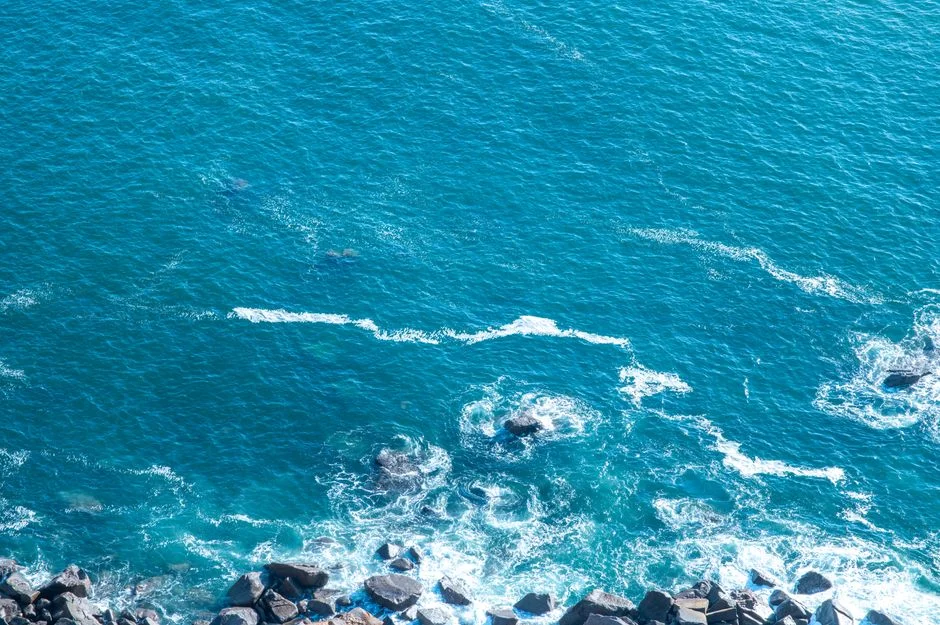
Beyond governance questions, delegates exchanged data on environmental conditions currently threatening the coastline. Rising sea surface temperatures have caused widespread coral bleaching events across the eastern African seaboard over the past five years, according to monitoring records cited during panel discussions. Several fishing communities in Kenya and Tanzania have reported shortened seasons and smaller catches, changes they attribute to warming waters disrupting fish breeding cycles.
Plastic pollution also featured prominently in summit discussions. Representatives from community clean-up groups described efforts to remove waste from mangroves and beaches but said their operations remain underfunded and poorly coordinated across national borders. A Zanzibar-based environmental group presented records showing waste arriving on its shores from multiple directions, underscoring the transboundary nature of the problem.
What Comes Next
The Mombasa declaration will be forwarded to the Nairobi Convention Secretariat, which coordinates marine environmental policy for countries bordering the western Indian Ocean. Delegates called for an extraordinary session of member states within six months to debate the governance reform proposals. Whether that session materialises depends partly on whether national governments in the region choose to champion the summit's recommendations or treat them as advisory rather than binding.
Watch for whether Kenya's Ministry of Fisheries and Blue Economy issues a formal response in the coming weeks. The ministry has previously signalled interest in expanding local management authority over nearshore waters, but implementation has moved slowly. Coastal communities and their allies say they will be watching closely to see whether this week's declarations translate into policy shifts or join a long list of summit promises that faded without follow-through.
See Also
- Siddaramaiah's Record Karnataka Run Ends — Shivakumar Takes Reins
- Trump's Deadline Looms as Asian Nations Secure Iran Deals