A coalition of women-led organisations in Kenya has launched a coordinated effort to address coal dust pollution in the Athi River region, marking one of the most ambitious community-driven environmental campaigns in East Africa this week. The initiative brings together at least 15 grassroots groups operating near industrial zones, targeting air quality improvements that affect an estimated 200,000 residents. The coalition announced its formation on Thursday, outlining a two-year remediation plan that includes monitoring stations and advocacy for stricter emissions standards.
Grassroots Alliance Takes Shape
The coalition, called the Clean Air Women Alliance, held its inaugural meeting in Athi River town, Machakos County. Representatives from community groups, health advocates, and local business owners signed a memorandum of understanding outlining shared goals. Organisers confirmed the alliance would prioritise areas within a 10-kilometre radius of coal-dependent industries. The group plans to deploy low-cost air quality sensors at schools and health centres by the end of the current quarter.
Health Concerns Drive Action
Local health workers have reported a rise in respiratory illnesses among children living near industrial areas. The Kenya Ministry of Health's county office in Machakos confirmed that hospital visits for asthma and related conditions increased by 18 percent over the past two years. The coalition's founders said community pressure and health data drove them to formalise their efforts. "We have watched our children suffer," said one founding member during the announcement. "This coalition gives us a unified voice."
Monitoring and Accountability
Alliance members will work with independent researchers to collect particulate matter data. The National Environmental Complaints Committee, a statutory body under Kenya's Environmental Management and Coordination Act, agreed to receive community submissions through a dedicated hotline. Coalition leaders said they expect the monitoring data to support future policy discussions with industrial operators.
India's Women Solar Engineers Set Example
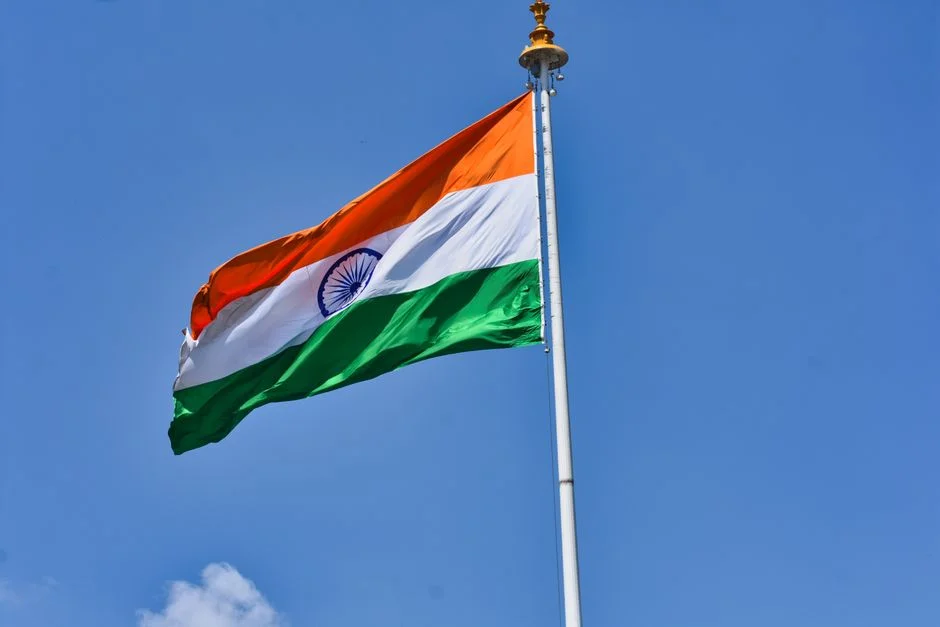
Meanwhile, in Rajasthan, a group of women trained as solar panel technicians completed installations at 34 rural health clinics, providing reliable electricity for the first time. The programme, run by the Self-Employed Women's Association in partnership with a state renewable energy agency, trained 120 women over six months. Officials in Jaipur confirmed the installations would benefit approximately 45,000 patients monthly.
Other Environmental Wins
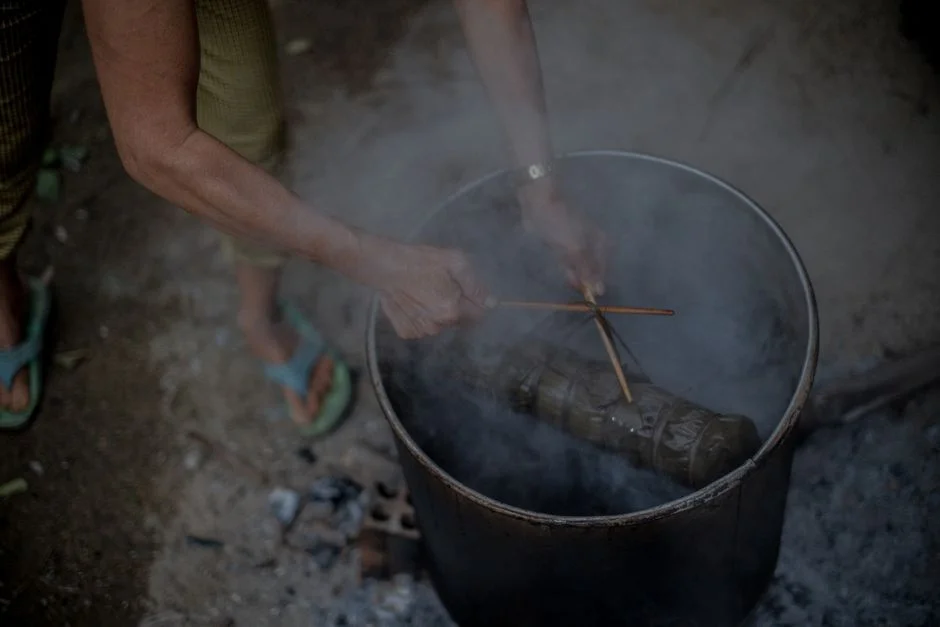
Burning biomass for cooking creates indoor air pollution that affects millions of households across South Asia and sub-Saharan Africa. A Nepal-based nonprofit announced it had distributed 50,000 improved cookstoves to rural families in three provinces, reducing indoor smoke exposure by an estimated 60 percent compared with traditional open fires. The distribution took five weeks to complete, with local women's groups handling logistics and training.
In Brazil, a state-level initiative in Minas Gerais protected 8,000 hectares of Atlantic Forest through a conservation agreement negotiated by a coalition of female-led farming cooperatives. The agreement prevents new agricultural expansion on protected land and provides farmers with sustainable harvesting permits.
Community Impact and Economic Ties
The Kenyan coalition's work intersects with broader economic concerns. Athi River hosts several cement and mineral processing plants that contribute to regional employment. Alliance members said they seek dialogue with factory operators rather than confrontation. The group's environmental plan includes proposals for dust suppression technology and worker safety improvements. Industry representatives have not yet issued public statements about the coalition's formation.
What Comes Next
The Clean Air Women Alliance will publish its first community air quality report by September. Coalition leaders said they intend to present the findings to the Machakos County Assembly during its next environmental review session, scheduled for October. International environmental groups have expressed interest in supporting the alliance's monitoring work, according to alliance organisers.
See Also
- India Demands Doubling R&D Spending to 2% of GDP by 2035 to Boost Manufacturing
- India Risks Losing Influence as New Gulf Divide Deepens with Saudi Arabia
The agreement prevents new agricultural expansion on protected land and provides farmers with sustainable harvesting permits.Community Impact and Economic TiesThe Kenyan coalition's work intersects with broader economic concerns. The programme, run by the Self-Employed Women's Association in partnership with a state renewable energy agency, trained 120 women over six months.