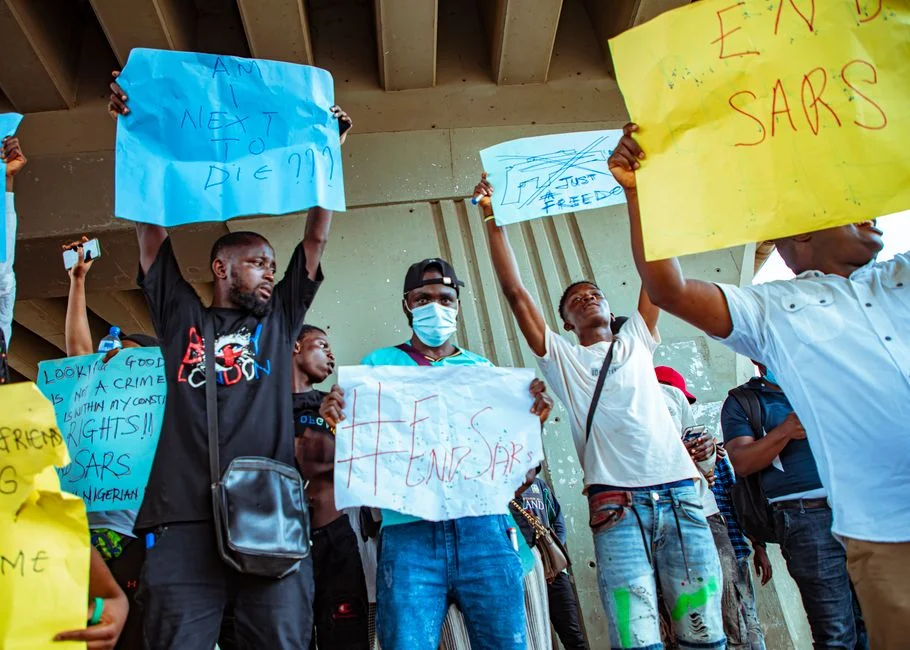
Peter Obi, the former presidential candidate of the Labour Party, has called on President Bola Tinubu to postpone the implementation of state police until after Nigeria's 2027 general elections. The directive came during a public address in Abuja, where Obi argued that introducing state-controlled police forces before a national vote would create opportunities for political manipulation at the state level.
Obi's Public Warning in Abuja
Obi delivered his warning at a civic engagement forum in Nigeria's capital city. He told attendees that the federal government should wait until the electoral cycle concludes before moving forward with legislation that would allow individual states to establish their own police services. State governors in Nigeria currently lack the authority to form independent law enforcement agencies, a power reserved exclusively for the federal government under the 1999 Constitution.

The former governor of Anambra State said he had observed with concern the accelerating pace of discussions around state policing legislation in the National Assembly. According to Obi, the timing of any new law granting states police powers would inevitably coincide with preparations for the 2027 presidential and parliamentary elections, raising the prospect of governors using newly-formed state police to influence voting patterns in their jurisdictions.
The State Police Proposal
The federal government has signalled interest in exploring state police as a solution to Nigeria's worsening security challenges. Minister of Police Affairs Ibrahim Idris confirmed earlier this year that the ministry was studying international models of sub-national policing, particularly the systems used in the United States and India. The proposal has gained traction among governors who argue that state-level law enforcement would respond more quickly to local security threats, including banditry, kidnapping, and farmer-herder conflicts.
Security analysts have noted that Nigeria's current police structure places all operational officers under the command of the Nigeria Police Force headquartered in Abuja. This centralisation has drawn criticism from regional leaders who say distant command structures slow responses to emergencies. State governors currently rely on informal influence rather than formal authority when coordinating with police commissioners assigned to their states.
Why 2027 Matters
The 2027 general elections are currently scheduled for February of that year, with presidential, legislative, and gubernatorial votes all due within a compressed timeframe. Political observers in Nigeria have noted that the concentration of multiple elections in a single year creates unique pressures on state institutions. Governors whose states would gain new police powers under the proposed legislation would simultaneously be seeking re-election or positioning preferred successors.
Obi argued that granting police powers to state governments during an election year would fundamentally alter the balance of competitive fairness. Governors, he said, would gain access to armed personnel under their direct command at the precise moment when opposition candidates would be most vulnerable to intimidation or selective enforcement. The Nigeria Democratic Congress and several civil society organisations have echoed similar concerns about the potential for abuse.
Supporters of State Policing Respond
Not all political figures share Obi's concerns. Governors from multiple regions have argued that state police would deliver faster responses to security crises that currently require approval chains stretching back to Abuja. The Nigeria Governors' Forum, a collective body representing all 36 state governors, has previously passed resolutions supporting the devolution of police powers. Governors from northern states have been particularly vocal, citing the persistent threat of banditry in rural areas where response times from federal police units often exceed critical thresholds.
Security experts have pointed out that Nigeria's neighbouring countries have adopted varied approaches to sub-national policing. Ghana maintains a centralised police service similar to Nigeria's current model, while South Africa's provincial police units operate under significant national oversight mechanisms. The question of which international model Nigeria should follow remains contested among policymakers.
Legislative Outlook
The National Assembly would need to pass constitutional amendments before any state police framework could take effect. Constitutional changes in Nigeria require support from at least 24 of the 36 state assemblies following passage by two-thirds of both the Senate and House of Representatives. Legislative sources in Abuja indicate that the Senate has already begun preliminary hearings on proposals related to state policing, though no concrete bill has reached the committee stage as of the most recent reporting period.
The timeline for constitutional amendment proceedings typically spans multiple legislative sessions, raising questions about whether sufficient momentum exists to pass such changes before the 2027 electoral calendar begins in earnest. Critics of the state police proposal say the amendment process alone could consume 18 months or longer, making the timing issue raised by Obi a practical rather than purely political concern.
What Comes Next
The debate over state police in Nigeria is expected to intensify as the 2027 election cycle approaches. The National Assembly will need to decide whether to advance constitutional amendments, and the executive branch will face pressure from governors demanding greater security autonomy. Civil society organisations have announced plans to monitor legislative proceedings closely, with several groups calling for public consultations before any vote on the floor of the Senate or House.
Obi has indicated he will continue raising the timing concern in public forums, arguing that Nigeria's democratic institutions must be protected from structural changes introduced during periods of heightened political competition. Observers will watch whether other former presidential candidates and opposition figures join his call for postponement, or whether the momentum behind state policing legislation proves too strong for procedural objections to halt.
See Also
- Teens Plan Protest at Jantar Mantar Over Abhijeet Dipke's Controversial Remarks
- Seoul Judge’s Death Shocks South Korea’s Legal System
Critics of the state police proposal say the amendment process alone could consume 18 months or longer, making the timing issue raised by Obi a practical rather than purely political concern. Obi has indicated he will continue raising the timing concern in public forums, arguing that Nigeria's democratic institutions must be protected from structural changes introduced during periods of heightened political competition.
What is the latest news about obi demands tinubu halt state police plan until after 2027 elections?
Why does this matter for local-news?
What are the key facts about obi demands tinubu halt state police plan until after 2027 elections?