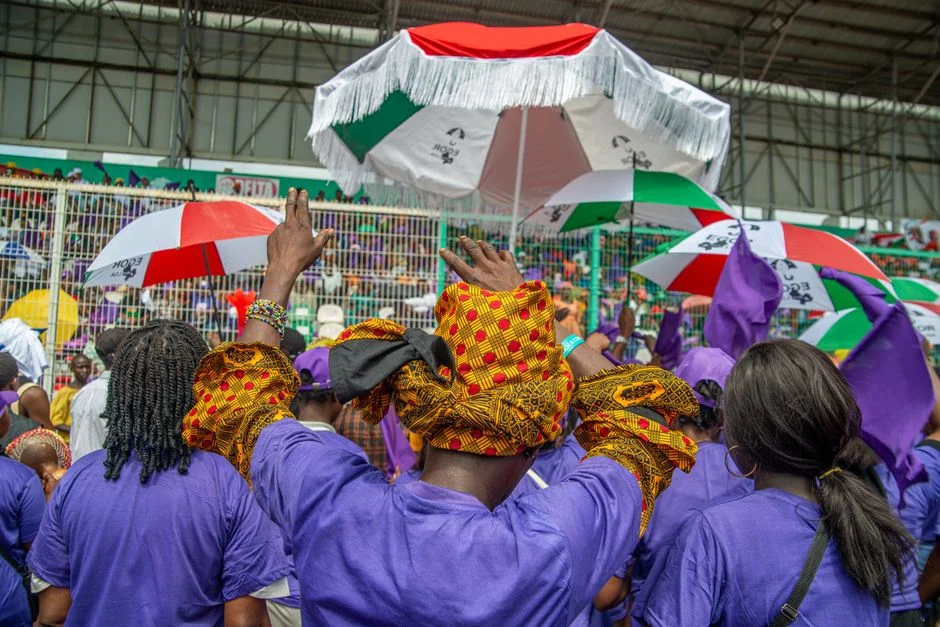
A major opposition party in Nigeria signalled on Thursday it would consider coalition arrangements with other political groups as the country gears up for elections scheduled in 2027. The development marks a notable shift in the political landscape as parties position themselves for what promises to be a contentious electoral cycle.
The Hint at Coalition Talks
Senior officials with the National Democratic Congress indicated the party would be receptive to conversations with like-minded groups. The statement, delivered during a press briefing in Abuja, represents a notable departure from the party's previous stance on electoral alliances. Political observers say the move reflects growing recognition that coalition politics may be essential for opposition success in Nigeria's winner-take-all system.
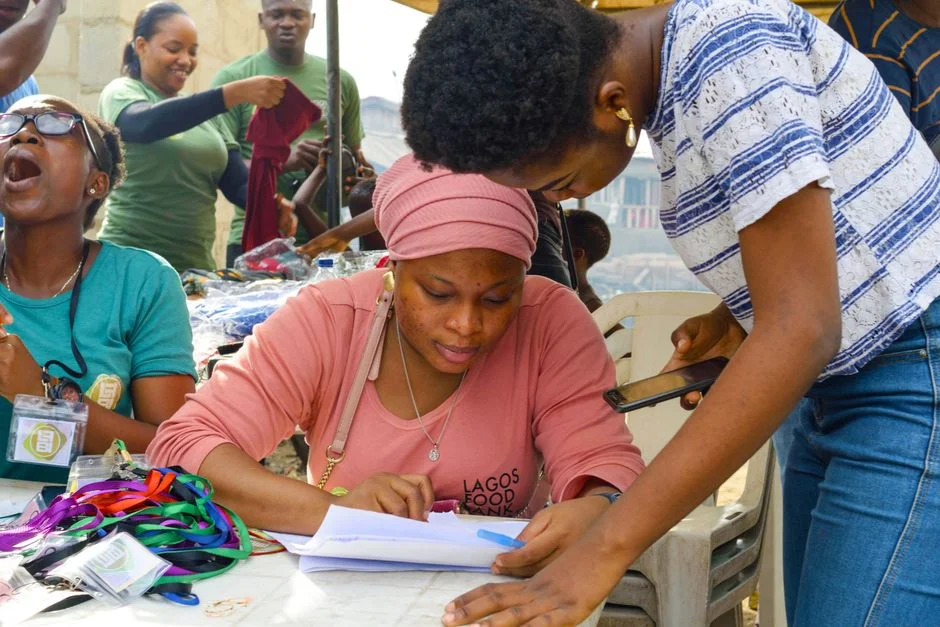
The timing of the announcement coincides with intensifying speculation about potential alliances among opposition parties. Multiple political formations have been exploring cooperation frameworks in recent months, though formal agreements remain rare. Analysts suggest the NDC's openness could accelerate those conversations or prompt rival parties to reassess their own strategies.
What This Means for the 2027 Contest
The All Progressives Congress currently holds power at the federal level, but opposition parties have been steadily building their organisational capacity ahead of the next cycle. Coalition talks, if they materialise into formal agreements, could dramatically alter the arithmetic of competitive states and constituencies across the country.
Nigeria's political history includes several instances where opposition alliances proved decisive. The 2015 election that brought the APC to power itself resulted from a merger of three major parties. That precedent looms large over current negotiations, reminding strategists that unified opposition efforts can overcome seemingly insurmountable incumbency advantages.
Challenges Facing Coalition Negotiators
Despite the optimism, significant obstacles remain. Coalition talks require agreement on candidate selection, policy platforms, and resource sharing — negotiations that have derailed previous attempts. The NDC will need to reconcile its positions with potential partners who may hold divergent views on economic policy, security strategy, and federalism.
Party sources indicate that preliminary discussions have already taken place with several smaller formations. However, no formal framework has been announced, and any agreement would likely require ratification by party structures at both the national and state levels.
Electoral Context and Opposition Strategy
The 2027 elections remain two years away, but preparations are already well underway. Incumbent parties typically enjoy structural advantages, including access to state resources and the visibility that comes with holding office. Opposition groups face the persistent challenge of matching that reach with limited funding and organisational capacity.
For ordinary citizens, coalition arrangements matter because they determine the choice available at the ballot box. A unified opposition presents voters with a clear alternative to the ruling party. A fragmented field, by contrast, risks splitting the anti-incumbent vote and handing advantages to the government side.
Regional Dimensions of Coalition Politics
Nigeria's electoral map reflects deep regional and ethnic dimensions. Political alliances must navigate these realities, balancing national coalition strategies against local political calculations in states where ethnic or regional parties retain significant influence. The NDC's overture will likely face scrutiny from partners who worry about how national deals affect their standing in specific regions.
The North-South divide continues to shape electoral mathematics in ways that complicate cross-regional alliances. Parties seeking to build winning coalitions must find formulas that appeal across these divides without alienating core constituencies in either zone.
What Comes Next
Party officials say formal coalition negotiations could begin within the coming months. The NDC is expected to release additional details about its partnership criteria and priority states for joint campaigning. Rival parties will need to decide whether to engage with the overture or pursue independent paths.
Watch for statements from other opposition formations in the coming weeks. The response from the All Progressives Congress, which currently holds federal power, will also offer clues about how the government intends to counter any opposition consolidation. The next twelve months are likely to see significant movement as the 2027 deadline approaches and coalition talks intensify or dissolve.
See Also
- Ormonde Building Collapse Claims 9 Lives: Community Grieves and Demands Action
- Modi and Meloni’s Colosseum Photos Spark Viral Meme Wave
A fragmented field, by contrast, risks splitting the anti-incumbent vote and handing advantages to the government side.Regional Dimensions of Coalition PoliticsNigeria's electoral map reflects deep regional and ethnic dimensions. Political alliances must navigate these realities, balancing national coalition strategies against local political calculations in states where ethnic or regional parties retain significant influence.
What is the latest news about ndc signals openness to coalition talks ahead of 2027?
Why does this matter for local-news?
What are the key facts about ndc signals openness to coalition talks ahead of 2027?