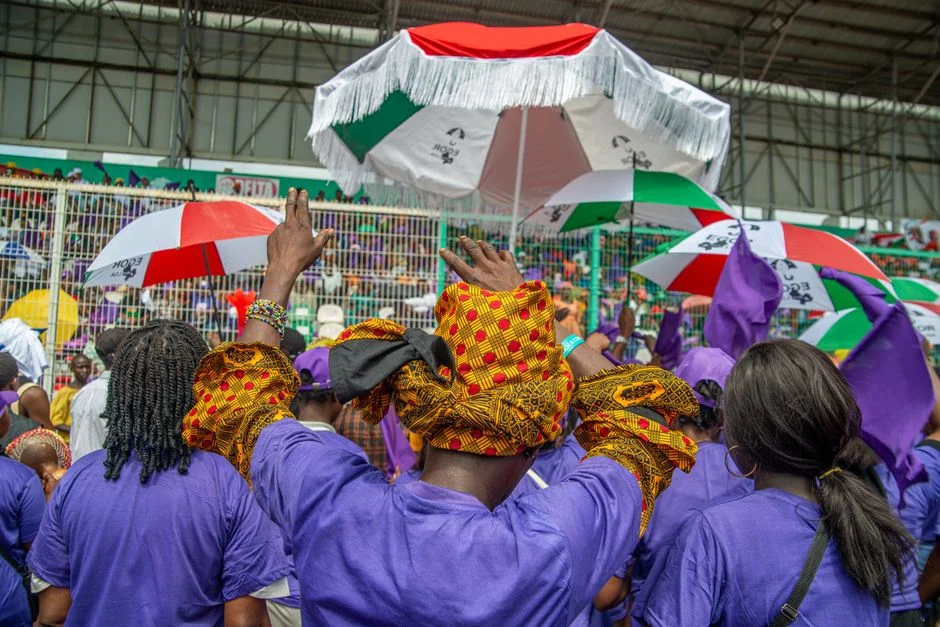
Nigeria's former presidential candidate Peter Obi has called on authorities to postpone the implementation of state police legislation until after the 2027 general elections, warning that rushing the reform could destabilise the country's political landscape during an already sensitive period.
Call for Delay Comes as Debate Intensifies
The Nigeria Democratic Congress confirmed this week that Obi submitted formal remarks urging lawmakers to table the state police bill until the electoral cycle concludes. The former candidate argued that introducing a new security framework so close to a presidential vote risks politicising the debate and undermining public confidence in the reform itself.

State police proposals have gained momentum in recent months, with several regional governments expressing support for localised law enforcement structures. The idea has divided opinion between those who argue decentralised policing improves responsiveness and critics who warn it could fragment national security.
Why the 2027 Timeline Matters
Obi's intervention arrives as the National Assembly prepares to debate committee recommendations on the state police framework. His office indicated the comments reflect concerns shared by opposition figures that security reforms should not become entangled with electoral competition.
The 2027 elections remain roughly three years away, giving parliamentarians time to refine legislation. Supporters of the current timeline argue that delays only perpetuate existing policing failures affecting communities across Nigeria's 36 states.
Regional Support and Opposition
Several state governors have publicly backed faster implementation, citing localised crime challenges that they say centralised command structures cannot address quickly enough. In contrast, federal security officials have expressed caution, pointing to coordination difficulties that could emerge if states pursue divergent policing models.
The Nigeria Democratic Congress stopped short of endorsing Obi's specific timeline but acknowledged that the debate requires careful deliberation. Party representatives indicated they expect further consultations before any vote proceeds.
Implications for Nigeria's Security Architecture
State police advocates contend that regional authorities understand local crime patterns better than federal agencies. They point to response times and community trust as evidence that proximity matters in law enforcement.
Opponents counter that Nigeria's ethnic and religious diversity makes decentralised policing risky. They argue state governors could weaponise police forces for political purposes, particularly during election seasons when patronage networks activate.
The conversation reflects broader global debates about balancing central coordination with local responsiveness. Nigeria's experience could influence how other federal systems approach similar reforms.
What Happens Next in the Legislative Process
The National Assembly's next session is scheduled for early consideration of the bill's second reading. Committee members have invited public submissions, though critics argue the consultation window remains too narrow for thorough analysis.
If passed, the legislation would represent the most significant restructuring of Nigerian policing since the 1999 return to civilian rule. States would gain authority to establish, fund, and command their own police services, though federal oversight mechanisms would remain in place for interoperability.
Budget implications are substantial. State governments would need to allocate resources for recruitment, training, infrastructure, and equipment. Some analysts estimate initial costs could exceed initial government projections by significant margins.
Citizens Watch as Debate Continues
For ordinary Nigerians, the state police discussion touches daily concerns about safety and crime. Recent surveys indicate that public satisfaction with current policing remains low, particularly in urban centres where response delays generate frustration.
Community leaders in several states have urged legislators to prioritise effectiveness over speed. They want concrete safeguards built into any framework before enactment, rather than amendments made after problems emerge.
The conversation extends beyond security to questions about federalism itself. How much power should states wield relative to the centre? The answer will shape Nigeria's governance structure for decades.
Timeline to Watch
Lawmakers are expected to resume committee hearings within the coming weeks. The Nigeria Democratic Congress has indicated it will present a position paper before the next parliamentary recess. Citizens can monitor proceedings through official channels and public gallery access.
Should the bill advance, states would then face decisions about implementation timelines, funding mechanisms, and recruitment strategies. The 2027 election clock continues ticking, adding pressure on all sides to resolve differences before attention shifts entirely to electoral competition.
See Also
- TN Governor Demands Proof from Vijay as Assembly Deadlock Deepens
- Senate Passes Bill to Expand Court Justices to 110 and Judges to 90
Committee members have invited public submissions, though critics argue the consultation window remains too narrow for thorough analysis.If passed, the legislation would represent the most significant restructuring of Nigerian policing since the 1999 return to civilian rule. Some analysts estimate initial costs could exceed initial government projections by significant margins.Citizens Watch as Debate ContinuesFor ordinary Nigerians, the state police discussion touches daily concerns about safety and crime.