The Madhya Pradesh government has announced the relaunch of a state-wide public bus service, marking the return of organised public transportation after a gap of 21 years that left thousands of residents in rural and semi-urban areas dependent on private operators. The Mukhya Mantri Sugam Parivahan Sewa will resume operations ahead of the Rakshabandhan festival, with fares starting as low as Rs 10 for shorter routes.
Service Announcement Details
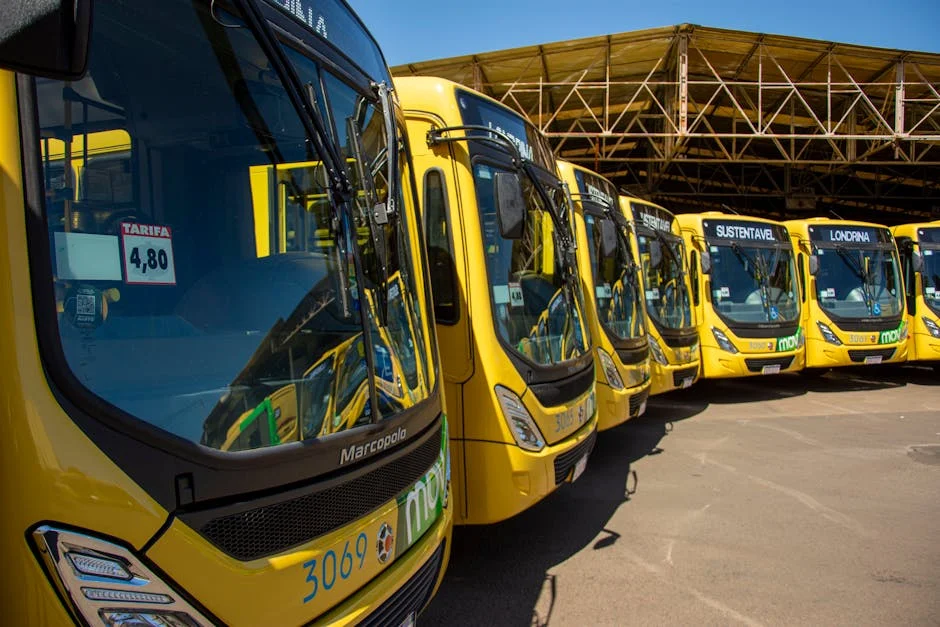
Chief Minister Mohan Yadav confirmed the relaunch at a public gathering in Bhopal on Wednesday, stating that the state transport corporation had completed fleet maintenance and driver recruitment after months of preparation. The buses will cover over 200 routes across all 52 districts, with priority given to taluk headquarters and rural market towns that have lacked reliable public transport since the previous service was discontinued in 2003.
"We are restoring what was lost two decades ago," Yadav told reporters gathered outside the old state bus depot on Hoshangabad Road. "Every citizen of this state deserves affordable, safe transportation — regardless of whether they live in Bhopal or a village in Bundelkhand."
Who Stands to Benefit
The relaunch targets daily commuters, students, and festival travellers who currently pay inflated private bus fares that can exceed government bus rates by 300 to 500 percent on less-travelled routes. In districts such as Satna, Damoh, and Shahdol, families have reported spending up to Rs 300 just to reach the nearest railway station.
Madhya Pradesh's rural population comprises nearly 72 percent of the state's 85 million residents, many of whom lack access to personal vehicles or autorickshaws. Women travelling alone have been particularly affected, with several districts reporting reduced mobility due to unsafe or unavailable transport options.
Fare Structure and Route Coverage
The state government has set fares at Rs 10 for journeys under 10 kilometres, Rs 20 for routes up to 25 kilometres, and Rs 40 for longer inter-district travel. Children below age five will travel free, while students between ages 5 and 18 qualify for a 50 percent monthly pass scheme administered through local schools.
Indore, the state's largest city and commercial hub, will serve as the primary depot with 40 operational buses as of the launch date. Secondary depots in Gwalior, Jabalpur, and Ujjain will each operate 15 buses initially, scaling up to 30 within three months. Rural routes into districts such as Chhindwara, Mandla, and Jhabua will operate morning and evening services timed to coincide with market hours.
Operational and Safety Standards
The transport corporation has equipped all buses with GPS trackers accessible through a mobile application, allowing families to monitor real-time locations. Each bus will carry a female conductor alongside the driver, addressing long-standing safety concerns raised by women's groups in the state.
Buses operating after 8 PM have been mandated to run in pairs on routes identified as high-risk, with emergency contact buttons installed at every row of seats. The corporation has also tied up with a private medical emergency service to provide basic life support during transit.
Why the Service Disappeared
The original state bus service, launched in 1965, ran into financial difficulties during the late 1990s when private operators began offering faster vehicles on profitable corridors. By 2003, the state transport corporation accumulated losses exceeding Rs 840 crore, prompting the government to gradually phase out loss-making routes before suspending operations entirely.
Transport commissioner's records from that period show that rural routes were the first to be cut, followed by inter-district services connecting smaller towns. The decision left a vacuum filled by private buses that operated without regulated fares or safety standards.
Residents in district headquarters like Narmadapuram and Rajgarh recalled that the loss of state buses forced patients in medical emergencies to arrange private transport, sometimes waiting hours for vehicles willing to travel on poor roads. Local self-help groups documented these challenges in petitions submitted to the government between 2018 and 2023.
Political Significance and Timing
The relaunch comes months after the Bharatiya Janata Party returned to power in the state following the November 2023 assembly elections. Opposition parties had repeatedly attacked the previous government for allowing public transport infrastructure to deteriorate while allocating resources to highway projects that primarily benefited car and truck owners.
Opposition leader Kamleshwar Patel dismissed the timing of the announcement, suggesting the government rushed preparation ahead of the festival season to score political points. "This should have happened years ago," Patel told local media. "We welcome the service, but the delay is inexcusable."
The timing during Rakshabandhan carries strategic weight as well. The festival traditionally triggers a surge in inter-district travel as sisters visit brothers in other cities. Transport corporations in neighbouring states have previously struggled to meet festival demand, leaving passengers stranded at bus stands.
What Happens Next
The government has allocated Rs 650 crore for fleet restoration and route establishment over the next fiscal year. Officials expect daily ridership to stabilise between 1.5 lakh and 2 lakh passengers within six months as awareness grows in villages where state buses have been absent for an entire generation.
Citizens in remote blocks such as Beohari in Shahdol district and Panna in central Madhya Pradesh told local correspondents they first need to verify that buses actually arrive on schedule before adjusting their travel plans. The first month of operations will serve as a test period, with route adjustments based on actual passenger numbers collected through the mobile application.
Watch for the government to release ridership data by mid-September, which will signal whether rural demand was underestimated during planning. If figures meet projections, the state may announce expanded evening services before the Diwi festival in October.
See Also
- Ex-Minister's Family Confirms Abduction — Police Vow Rescue in Ibadan
- Agriculture Minister Chouhan Urges Preparedness as El Niño Threatens India’s Kharif Season