Delhi woke up to an unusual start to June this week, with minimum temperatures dropping to 23 degrees Celsius across several parts of the city. The India Meteorological Department confirmed the capital experienced its coolest beginning to the summer month in three years, breaking a streak of progressively hotter starts that had become the norm for city residents.
Cooling Pattern Across The Capital
Night temperatures across Delhi settled well below the seasonal average of 28 degrees, bringing unexpected relief to millions who typically brace for intense heat by this point in the year. The Safdarjung observatory, Delhi's primary weather station, recorded a minimum of 23.4°C on Monday — the lowest for early June since 2022.
The weather office attributed the anomaly to an upper-air cyclonic circulation sitting over Rajasthan and neighbouring regions, drawing moisture-laden winds into the city. Western disturbances making their annual retreat northward also played a role, preventing the usual rapid buildup of heat that characterises June in the National Capital Region.
Why This Matters For Daily Life
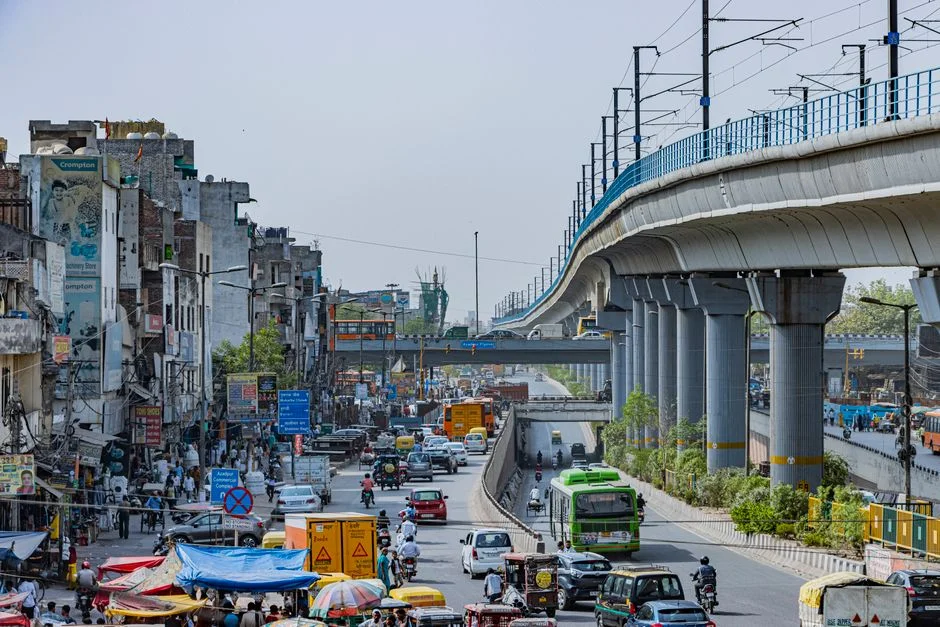
For construction workers, street vendors, and daily commuters who depend on autorickshaws and buses, the cooler mornings have meant fewer heatstroke cases arriving at hospitals. Dr Ramesh Agarwal, chief of the emergency department at Safdarjung Hospital, confirmed admissions for heat-related illness dropped by nearly 30 percent compared to the same period last year.
What The Numbers Show
Delhi's mean temperature for the first week of June this year stands at 35.2°C — a full 2.8 degrees below the long-period average for the period. The IMD's regional director, Dr Kuldeep Srivastava, told reporters the deviation was statistically significant and exceeded the threshold for what meteorologists classify as an abnormal cool spell.
Peak daytime temperatures have hovered around 38°C in most localities, compared to the 42-44°C range that dominated early June readings between 2022 and 2024. Residents in areas like Dwarka, Rohini, and outlying Gurugram reported waking up without the familiar sticky discomfort that usually accompanies the season change.
Farmer Relief And Agricultural Impact
The unseasonably mild weather has brought welcome news for farmers in Delhi's hinterland and the surrounding states of Haryana and Uttar Pradesh. Vegetable growers in the Ghazipur and Narela mandis said the cooler nights reduced water consumption by roughly 15 percent, easing pressure on groundwater reserves that typically deplete rapidly during June heatwaves.
Agricultural economist Dr Sunita Singh from the Indian Agricultural Research Institute noted that such weather patterns can delay pest cycles for crops like okra and leafy greens. "When temperatures spike early, we typically see whitefly infestations in crops by mid-June," she explained. "The current cooldown gives standing crops a fighting chance."
Weather Office Forecast
The IMD has advised against complacency. Models show the upper-air circulation weakening from Thursday onward, allowing temperatures to climb steadily through the weekend. By June 15, the capital is expected to return to the 40-42°C range, with heatwave conditions possible in isolated pockets.
"This is a temporary reprieve, not a shift in long-term patterns," warned IMD scientist Dr Shakti Flavian in a press briefing on Tuesday. She pointed out that the broader trend of rising June temperatures across northern India remains intact, with climate data indicating the capital loses an average of 0.7 heatwave-free days per decade.
Urban Infrastructure Under Strain
Despite the current relief, power demand in Delhi has already begun climbing as residents prepare for the hotter days ahead. BSES Yamuna and BSES Rajdhani reported peak demand reaching 7,200 megawatts last week — up 8 percent from the same period in 2024. Engineers at the Delhi Power Committee warned that the grid faces significant stress once temperatures consistently breach 41°C.
Water supply to the city's eastern and southern colonies, which depend heavily on groundwater pumped through tubewells, has also stabilised temporarily. The Delhi Jal Board confirmed reservoir levels at the Haiderpur treatment plant rose to 72 percent capacity — the highest for early June since 2022.
What Residents Should Watch
Weather experts recommend using the current cool spell to prepare homes and families for the heat to come. Simple steps include servicing air conditioners, stocking up on oral rehydration salts, and checking on elderly neighbours who may be vulnerable to sudden temperature swings.
The IMD will release its updated June forecast on Friday. meteorologists expect the second half of the month to bring more frequent heatwave days, potentially pushing the monthly average temperature back above the historical norm by early July.
Looking Ahead To The Monsoon
The city remains several weeks away from the southwest monsoon, which typically arrives over Delhi around June 29-30. Current models suggest a normal onset date, though the exact timeline depends on conditions developing over the Bay of Bengal in the coming weeks.
For now, residents are making the most of an unexpected gift from the weather. Outdoor markets in Sarojini Nagar, Lajpat Nagar, and Janakpuri reported higher footfall than usual on Tuesday evening, with families taking evening walks and children playing in parks well past the typical 8 p.m. cutoff during peak summer. The question on everyone's mind: how long will this last?
See Also
- Air India Crash Families Reject Boeing Settlement Offer — One Year On
- Honda Launches ZR-V Hybrid in India — Here Is What Changes
She pointed out that the broader trend of rising June temperatures across northern India remains intact, with climate data indicating the capital loses an average of 0.7 heatwave-free days per decade. Engineers at the Delhi Power Committee warned that the grid faces significant stress once temperatures consistently breach 41°C.