Honda Motor India has officially unveiled the ZR-V Hybrid, marking a strategic pivot in its approach to the Indian passenger vehicle market. This new flagship SUV enters a crowded segment dominated by established players like the Hyundai Creta and the Volkswagen Taigun. The launch signals Honda's intent to reclaim market share through advanced electrification rather than relying solely on traditional internal combustion engines. For Indian consumers, this introduction offers a fresh alternative that balances fuel efficiency with premium features.
A Strategic Shift for Honda India
Honda has faced stiff competition in India over the past decade. The brand has relied heavily on the CR-V and the Civic to drive sales, but the SUV segment has evolved rapidly. The ZR-V Hybrid represents a calculated move to capture the growing demand for compact SUVs. It bridges the gap between the urban-friendly HR-V and the larger, family-oriented CR-V. This positioning allows Honda to target young professionals and small families who prioritize space and efficiency.
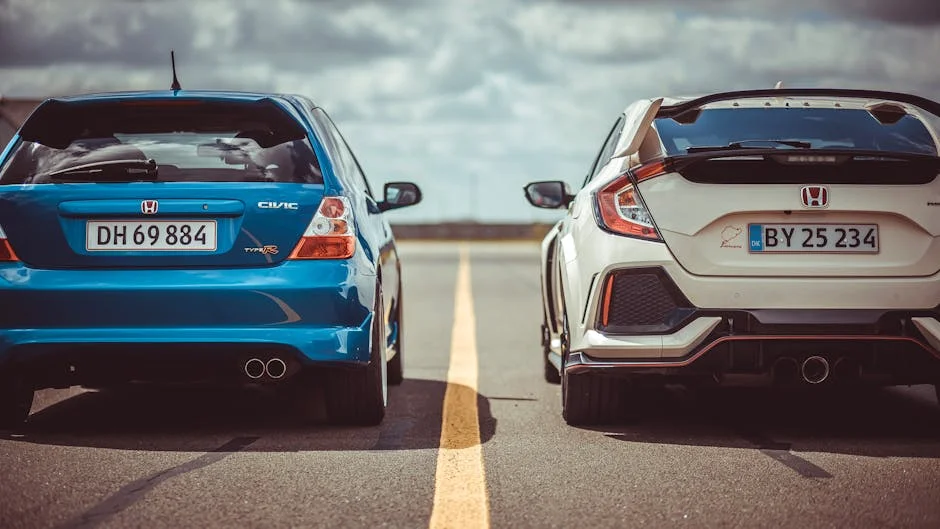
The company is betting on the hybrid technology to differentiate itself. Unlike full electric vehicles (EVs), which face charging infrastructure challenges in many Indian cities, hybrids offer a seamless transition for drivers. The ZR-V uses a 2.0-litre Atkinson cycle engine paired with two electric motors. This setup provides a combined output that rivals turbocharged petrol engines while delivering better mileage. Honda executives believe this technology will appeal to cost-conscious buyers who do not want to compromise on performance.
Market Positioning and Competition
The Indian SUV market is fiercely competitive. Brands like Maruti Suzuki, Hyundai, and Kia have introduced multiple models in the sub-4-metre and compact SUV segments. Honda’s challenge is to convince buyers to switch brands for the ZR-V. The company must demonstrate clear advantages in build quality, technology, and after-sales service. The ZR-V’s design language, featuring a bold front grille and sleek LED lighting, aims to stand out on busy Indian roads. However, design alone may not be enough to drive mass adoption.
Impact on Daily Commuting and Fuel Costs
For the average Indian commuter, fuel efficiency is a primary concern. Petrol prices in cities like Mumbai and Delhi often fluctuate, impacting monthly budgets significantly. The ZR-V Hybrid promises a fuel efficiency of approximately 20 to 22 kilometers per liter under real-world driving conditions. This figure is competitive with top contenders in the segment. A family driving 1,500 kilometers a month could save a noticeable amount on fuel compared to a standard petrol SUV. These savings accumulate over time, making the hybrid option financially attractive.
The driving experience also affects daily life. The hybrid powertrain provides instant torque from the electric motor, which is useful in stop-start city traffic. Drivers in congested areas like Bangalore or Hyderabad will appreciate the smooth acceleration and reduced engine noise. The regenerative braking system further enhances efficiency by capturing energy during deceleration. This technology reduces wear on brake pads, lowering maintenance costs for owners. Such practical benefits directly influence the decision-making process for potential buyers.
Economic Implications for Households
The introduction of the ZR-V Hybrid adds to the overall cost-of-living calculations for middle-class families. While the upfront cost may be slightly higher than non-hybrid rivals, the long-term savings on fuel and maintenance can offset this difference. Indian consumers are increasingly aware of total cost of ownership (TCO). Honda’s marketing will likely emphasize these financial benefits to attract value-driven buyers. The availability of a reliable hybrid option also reduces range anxiety associated with pure EVs, providing peace of mind for road trips across the country.
Technological Features and Consumer Appeal
Honda has equipped the ZR-V Hybrid with a suite of modern technologies. The infotainment system features a large touchscreen display with connectivity options for smartphones. Advanced Driver Assistance Systems (ADAS) include adaptive cruise control, lane-keeping assist, and automatic emergency braking. These features enhance safety, which is a growing priority for Indian buyers. The inclusion of these technologies at a competitive price point challenges rivals to upgrade their offerings. Consumers now expect more from their vehicles in terms of smart features and safety.
The interior design focuses on comfort and practicality. High-quality materials and ergonomic seating cater to long drives. The boot space is adequate for family needs, accommodating luggage for weekend getaways. Honda has also ensured that the cabin is well-insulated to reduce noise, vibration, and harshness (NVH). These details contribute to a premium feel that justifies the price tag. The attention to detail reflects Honda’s reputation for reliability and build quality, which resonates with Indian consumers who value durability.
Safety Standards and Consumer Confidence
Safety ratings play a crucial role in purchasing decisions in India. The ZR-V Hybrid is expected to perform well in Global Assessment of Vehicle Safety (GAVS) tests, similar to other Honda models. Features like multiple airbags, electronic stability control, and hill hold assist are standard across variants. This comprehensive safety package gives buyers confidence in the vehicle’s ability to protect occupants. As road accidents remain a concern in India, such features become key selling points for families and individual buyers alike.
Local Economy and Job Creation
The launch of the ZR-V Hybrid has implications for the local automotive ecosystem. Honda manufactures the vehicle at its plant in Gurugram, Haryana. This production supports thousands of jobs directly and indirectly, from assembly line workers to suppliers of components. The hybrid powertrain requires specialized parts, such as batteries and electric motors, which may lead to increased local sourcing. This trend supports the ‘Make in India’ initiative, encouraging domestic manufacturing and reducing import dependency. Local suppliers benefit from steady demand for high-quality components.
The expansion of Honda’s hybrid lineup also stimulates competition among other automakers. Rivals may accelerate their own electrification strategies to keep pace. This dynamic innovation drives technological advancement in the Indian auto sector. It leads to better products for consumers and fosters a more robust industrial base. The growth of the hybrid segment also creates new job opportunities in sales, service, and battery technology. This economic activity contributes to the overall growth of the regional economy.
Supply Chain and Local Sourcing
Honda’s supply chain in India is well-established. The company works with numerous local vendors for steel, plastics, electronics, and other materials. The introduction of the ZR-V Hybrid may lead to new partnerships for battery cells and power electronics. This diversification strengthens the supply chain and reduces vulnerability to global disruptions. Local sourcing also helps in keeping costs competitive, allowing Honda to offer attractive pricing to Indian buyers. The ripple effect of these economic activities extends beyond the factory gates into surrounding communities.
Environmental Considerations and Urban Living
India faces increasing pressure to reduce carbon emissions from the transportation sector. The ZR-V Hybrid contributes to this goal by offering a cleaner alternative to traditional petrol SUVs. While not as clean as a full EV, the hybrid technology significantly reduces CO2 emissions per kilometer. In cities with strict emission norms, such as New Delhi’s National Capital Region (NCR), this advantage is notable. The government’s push for hybrid vehicles through tax incentives and subsidies further encourages adoption. This aligns with broader environmental goals and improves air quality for urban residents.
The environmental impact extends to noise pollution as well. Hybrid vehicles operate more quietly, especially at low speeds. This reduction in noise contributes to a more pleasant living environment in dense urban areas. As Indian cities expand, the cumulative effect of quieter vehicles can improve the quality of life for millions of residents. Honda’s commitment to hybrid technology positions the brand as a forward-thinking player in the sustainability arena. This alignment with environmental trends resonates with eco-conscious consumers.
Policy Support and Incentives
The Indian government has introduced various policies to promote hybrid vehicles. These include reduced road taxes and lower registration fees in several states. The FAME (Faster Adoption and Manufacturing of Electric Vehicles) scheme also offers subsidies for hybrids in some categories. These incentives lower the effective cost of ownership for buyers. Honda will likely leverage these policies in its marketing campaigns to highlight the financial benefits. The supportive policy environment creates a favorable landscape for the ZR-V Hybrid’s success in the Indian market.
What to Watch Next
The success of the ZR-V Hybrid will depend on its initial sales performance and customer feedback. Honda plans to expand its dealership network to improve accessibility in tier-2 and tier-3 cities. The company will also need to ensure a steady supply of vehicles to meet demand. Competitors like Hyundai and Volkswagen are likely to respond with updated models or price adjustments. Consumers should watch for any introductory offers or financing schemes that Honda may introduce. The next six months will be critical in determining whether the ZR-V Hybrid becomes a staple in the Indian SUV market.
See Also
- Revealed: Invisible Workers Sort Rubbish in Kenya's Largest Dump
- Seven Killed as Maharashtra State Buses Collide, Catch Fire Near Surat