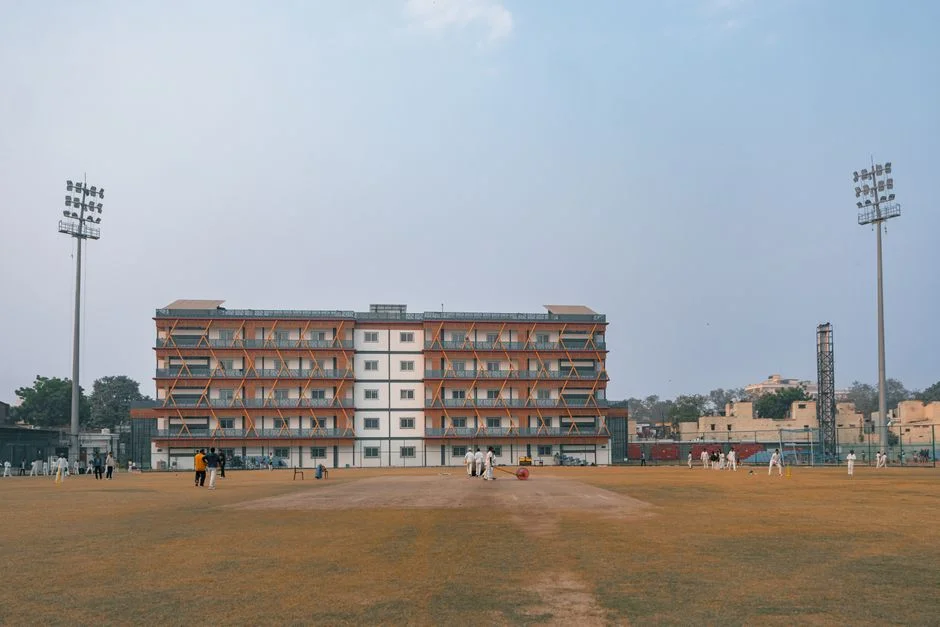
India played Afghanistan in the second One Day International at the Bharat Ratna Atal Bihari Vajpayee Ekana Cricket Stadium in Lucknow on Wednesday. The match marked the second encounter between the two sides in this bilateral series, drawing thousands of spectators to the purpose-built venue in Uttar Pradesh's capital.
Match Venue and Crowd Atmosphere
The Bharat Ratna Atal Bihari Vajpayee Ekana Cricket Stadium, opened in 2017, has rapidly established itself as a preferred venue for international cricket in northern India. The 50,000-capacity ground provided a fitting stage for the high-stakes encounter between India and Afghanistan. Fans began arriving several hours before the scheduled start time, filling the stands with a sea of blue and maroon colours representing both nations.
Local authorities deployed additional security personnel around the stadium precinct to manage the expected large crowds. The match fell on a weekday, which influenced attendance patterns compared to weekend fixtures. Nearby traffic diversions remained in effect throughout the afternoon to facilitate smooth movement of vehicles entering and leaving the venue area.
Series Context and Team Dynamics
This second ODI forms part of a three-match series between the two nations. India entered the match seeking to build on their performance from the series opener, while Afghanistan looked to bounce back after the first game. The series holds significance for both sides as they prepare for upcoming international tournaments and ranking considerations.
Afghanistan's cricket programme has grown substantially since gaining ODI status, regularly competing against established cricketing nations. The team features several players who have experience in franchise leagues worldwide, bringing diverse skills to their national setup. India, meanwhile, used the series as an opportunity to blood young talent while maintaining competitive standards.
Team Selection Strategies
Both teams made tactical decisions regarding their playing elevens, balancing experience with the development of younger players. India adjusted their squad composition based on pitch conditions at the Lucknow venue, which has hosted international matches across formats. Afghanistan's team management focused on combinations that maximise their bowling attack's effectiveness while providing their batters opportunities against quality opposition.
Matchday Conditions and Pitch Report
Weather conditions in Lucknow remained clear throughout the morning, allowing uninterrupted preparations for the match. The pitch at the Ekana stadium typically offers good bounce and carry for seamers early in the innings, with spinners coming into play as the match progresses. Ground staff prepared the surface specifically for an ODI, ensuring a balanced contest between bat and ball.
Temperatures in Lucknow hovered around comfortable levels for late afternoon cricket, factors that often influence swing and seam movement. The atmospheric conditions added another dimension to team strategies, particularly regarding decisions about batting or bowling first after the toss.
Cricket Board Coordination and Broadcast Arrangements
The Board of Control for Cricket in India coordinated logistics for the match in conjunction with the International Cricket Council's scheduling requirements. Broadcast rights holders provided extensive coverage of the fixture, with multiple camera angles and analytical commentary available to viewers across the country.
Local cricket associations worked alongside BCCI officials to ensure adequate facilities for players, match officials, and media personnel. The match formed part of a busy international calendar that sees India host several touring teams throughout the year, testing the country's cricket infrastructure and organisational capabilities.
Fan Engagement and Local Economy
Restaurants and hotels near the stadium reported increased business on match day, a pattern consistently observed during international cricket fixtures in Lucknow. Street vendors offering food and merchandise setup temporary stalls along approach roads to the venue, catering to fans arriving hours before the first ball.
Young cricket enthusiasts from local clubs used the occasion to observe international players up close, drawing inspiration from watching professionals compete at close quarters. Several coaching academies in the region organised viewing parties for their students, using the match as an educational opportunity about high-level cricket techniques and strategies.
Significance for Both Nations
The bilateral series carries weight beyond mere ranking points. For Afghanistan, games against established cricketing nations provide invaluable experience that accelerates their development as a competitive side. The opportunity to play against India, one of the world's leading teams, represents a significant milestone in Afghanistan's cricket journey.
India benefits from the series by maintaining match fitness and testing combinations ahead of major tournaments. The Afghanistan challenge presents different tactical problems compared to traditional rivals, requiring Indian players to adapt their approach. Such matches also strengthen cricketing ties between the two nations and contribute to the sport's growth across the subcontinent.
What Comes Next
The third and final ODI of the series will determine the overall outcome, with both teams likely to approach that match with heightened intensity depending on results in Lucknow. Cricket fans in India can access full scorecard details and ball-by-ball commentary through official BCCI digital platforms and sports news websites.
See Also
- Indian-Origin Pilot Dies in Chopper Crash Hours After Wedding Celebration
- Spain's Lamine Yamal Injured But Still Set to Join World Cup