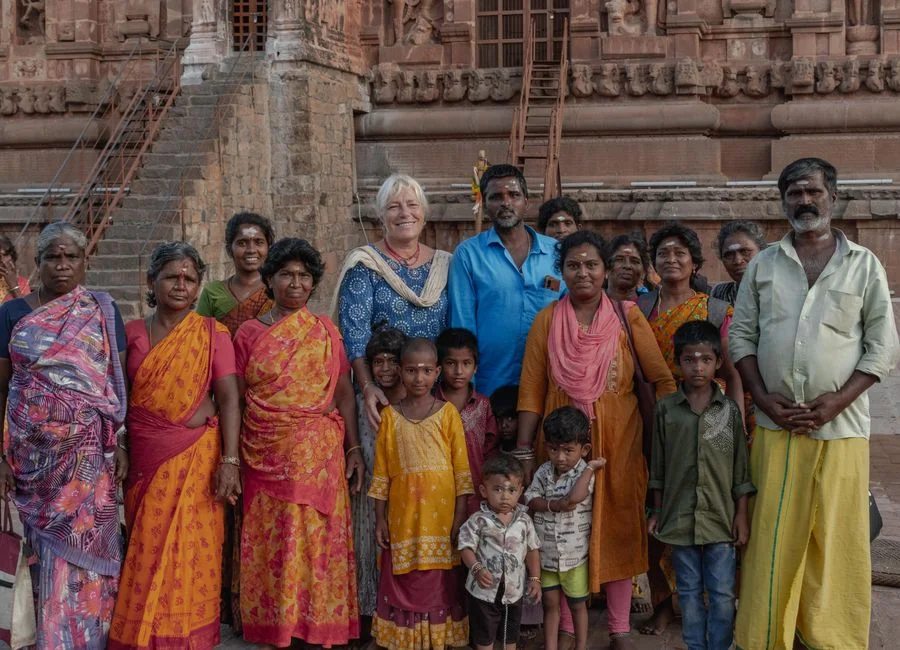
A family of Indian descent from Durban, South Africa, has described their new life in the United States as a dream fulfilled, calling America "the land of milk and honey" in an interview that has resonated with diaspora communities watching from abroad.
The family, who relocated to the American Deep South, shared their story of leaving South Africa in search of better opportunities, highlighting the contrast between their expectations and the reality of building a new life in the United States.
Leaving Durban for a New Beginning
The family had spent their entire lives in Durban, one of South Africa's largest port cities and home to a significant Indian community dating back to the colonial era. South Africa's Indian population traces its roots to workers brought from the Indian subcontinent during British rule in the 19th century. For generations, the family had called Durban home, navigating the complexities of life under apartheid and its aftermath.
"We always dreamed of something more," one family member explained. "Durban gave us our roots, but we wanted to see what else was out there." The decision to leave was not made lightly, the family explained, citing a combination of economic pressures and a desire for new horizons for their children.
Arrival in the American Deep South
After months of preparation, the family arrived in their new home in the Deep South region of the United States. The transition brought the typical challenges of any major relocation: navigating a new bureaucracy, finding housing, and establishing credit in a foreign financial system.
The Deep South, a region encompassing states like Mississippi, Alabama, Georgia, and Louisiana, has seen a modest increase in immigrant populations over the past two decades. For the family, the cultural differences required significant adjustment, from the pace of daily life to the local cuisine.
"Everything was different," the family member recounted. "The food, the weather, the way people speak — it all took some getting used to."
Finding Work and Building a New Life
The family's first months in the United States were defined by the job market. Like many new arrivals, they had to start from scratch, with the family member securing employment while others pursued educational opportunities to improve their credentials in the American system.
"You have to prove yourself all over again," the family member noted. "Your qualifications from back home don't always transfer directly." This struggle is common among immigrants, who often face a period of adjustment before finding their footing in their new country's economy.
Over time, the family began to establish themselves. They found community through local cultural organisations and places of worship, slowly building a network of support in their adopted home.
The 'Land of Milk and Honey' Promise
Despite the challenges, the family expressed gratitude for their decision to move to the United States. When asked to describe their new life, they used the phrase that has become synonymous with America for many immigrants: "the land of milk and honey."
"It's not that everything is easy here," the family member clarified. "You still have to work hard. But the opportunities are real. If you're willing to put in the effort, you can build something for yourself and your family."
The phrase carries particular resonance for immigrant communities, many of whom see America as a place where determination and hard work can lead to success regardless of where one started. The family's story reflects a narrative familiar to millions who have made similar journeys over generations.
Reflections on Life Back in Durban
The family remains connected to their roots in Durban through regular video calls with relatives who chose to stay behind. These conversations often involve questions about life in America and occasional requests for assistance from family members considering their own moves abroad.
"My cousins still ask me what it's really like," the family member shared. "I tell them the truth: it's hard, but it's worth it if you're willing to adapt."
The Indian community in Durban has a long history of entrepreneurship and resilience. Many families have considered emigration in recent years due to economic uncertainty and concerns about safety in certain areas. The family's decision to leave reflects a broader trend of skilled professionals and families seeking opportunities elsewhere.
What Comes Next
The family is now focused on the future, with plans to apply for permanent residency in the coming months. American immigration law allows for family-based petitions, and the family is exploring their options to secure their legal status and eventually pursue citizenship.
They are also saving toward purchasing their first home in the United States, a milestone that would mark their transition from newcomers to established residents of their new country. "Home ownership was always a dream," the family member said. "In America, that dream feels achievable."
For now, the family continues to adjust to their new life, balancing the familiar rhythms of South African culture with the demands of their American reality. Their story serves as a reminder of the enduring appeal of the American dream for those willing to risk everything for a chance at something new.
See Also
- Crucible Fans Ejected Over Noise — Snooker’s Discipline Crisis Hits Sheffield
- Fabian Ruiz Sparks PSG Victory — Angers Left Reeling in 0-3 Loss
The family's decision to leave reflects a broader trend of skilled professionals and families seeking opportunities elsewhere.What Comes NextThe family is now focused on the future, with plans to apply for permanent residency in the coming months. The family's story reflects a narrative familiar to millions who have made similar journeys over generations.Reflections on Life Back in DurbanThe family remains connected to their roots in Durban through regular video calls with relatives who chose to stay behind.