India has initiated discussions with Nigeria and several other African countries to secure soybean imports, responding to soaring domestic prices. In September 2023, soybean prices in India surged by 30%, reaching ₹7,500 per quintal due to supply constraints. This decision comes during a critical period for Indian farmers, who are facing rising production costs and shifting market dynamics.
High Domestic Prices Prompt Urgent Action
The Indian Ministry of Agriculture announced its intent to partner with Nigeria, a leading soybean producer, to alleviate the pressure on local markets. The rising costs of agricultural inputs and the erratic weather patterns have led to decreased soybean yields across India, prompting the government to look beyond its borders. In the past month alone, farmers in regions like Madhya Pradesh and Maharashtra have reported significant losses due to these challenges.
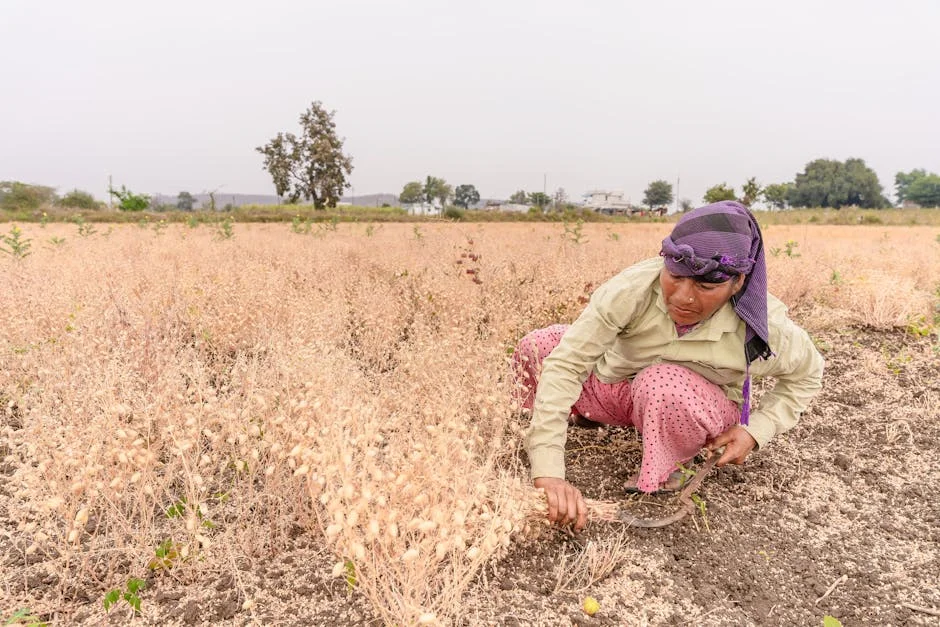
According to reports, the increase in prices has primarily impacted local consumers, pushing up the costs of cooking oil and animal feed. The price of cooking oil has risen alongside soybean prices, creating a ripple effect in the food supply chain. The government is aiming to secure at least 1 million tonnes of soybeans from Nigeria and other African nations to stabilise the market.
Nigeria: An Emerging Supplier
Nigeria's agricultural sector has shown resilience, making it a prime candidate for India’s soybean import needs. With a production rate of approximately 1.5 million tonnes in the last season, Nigeria stands to boost its economy significantly through increased exports. This collaboration is expected to provide Nigerian farmers with new market opportunities while also benefiting Indian consumers.
Recent discussions between Indian and Nigerian agricultural leaders have focused on establishing sustainable supply chains. The Nigerian government, eager to increase its agricultural exports, has welcomed India's interest. This partnership could establish a long-term trade relationship that supports both countries' agricultural sectors.
Community Response and Economic Implications
Local farmers in India are responding with mixed feelings to the news of increased soybean imports. While some see it as a necessary intervention to control prices, others fear it may undermine their market position. Shivraj Singh, a soybean farmer from Madhya Pradesh, expressed concern: "If imports flood the market, small farmers like me may struggle to compete."
On the other hand, the Indian government is emphasising that importing soybeans from Nigeria will not only stabilise local prices but also ensure food security for the population. In urban areas, consumers are already feeling the pinch, with prices affecting household budgets and leading to calls for government action.
Future Prospects of the Trade Deal
As India turns to Nigeria for soybeans, the timeline for actual imports remains fluid. Industry experts anticipate that negotiations could result in a formal agreement by early 2024. The Indian government aims to have the first shipments arrive before the next planting season to ensure a smooth transition.
This move is also part of a broader strategy for India to diversify its import sources amid fluctuating global commodity prices. With geopolitical tensions influencing trade routes, establishing relationships with African nations could secure a more reliable food supply for India.
What to Watch Next
In the coming weeks, stakeholders in both countries will be closely monitoring the progress of discussions. The Indian government is set to release a detailed plan outlining the logistics of the soybean trade and its implications for local farmers. Meanwhile, Nigerian agricultural exports could see an immediate boost, potentially leading to new agricultural policies that could benefit both economies.
As the situation unfolds, Indian consumers and farmers alike will be watching closely to see how this agreement shapes the future of soybean availability and pricing in India.
Shivraj Singh, a soybean farmer from Madhya Pradesh, expressed concern: "If imports flood the market, small farmers like me may struggle to compete."On the other hand, the Indian government is emphasising that importing soybeans from Nigeria will not only stabilise local prices but also ensure food security for the population. This partnership could establish a long-term trade relationship that supports both countries' agricultural sectors.Community Response and Economic ImplicationsLocal farmers in India are responding with mixed feelings to the news of increased soybean imports.