India is facing a mounting agricultural and water crisis as 315 districts across the country have been identified as high-risk zones due to significant rainfall deficits compounded by El Nino conditions. The India Meteorological Department confirmed the alarming assessment, warning that delayed and deficient monsoons are already straining rural livelihoods from the central heartland to the western coast.
The Scope of the Crisis
Authorities have classified 315 districts as high-risk, meaning they face immediate threats to agriculture, drinking water supplies, and livestock. The designation follows months of below-average rainfall that have left soil parched and reservoir levels critically low. The crisis spans multiple states, with Madhya Pradesh and Maharashtra among the most severely affected regions, according to government weather data.
The India Meteorological Department reported that June and July — typically the peak monsoon months — delivered significantly less rain than historical averages across these districts. Water tables in several areas have dropped sharply, raising concerns about irrigation access for the kharif crop season.
How El Nino Is Reshaping India's Weather
El Nino — a warming of sea surface temperatures in the Pacific Ocean — has disrupted normal monsoon patterns over India this year. The phenomenon typically weakens monsoon winds and reduces rainfall over the subcontinent. Scientists at the India Meteorological Department have linked the current rainfall deficit directly to El Nino's influence on atmospheric circulation patterns.
The connection between El Nino and Indian monsoon failures is well-documented. Historical data shows that El Nino years correlate with below-normal rainfall in approximately 60 percent of cases. This year, the pattern has manifested as delayed onset of monsoons in several states and prolonged dry spells even after the seasonal rains officially arrived.
Regional Disparities in Impact
Not all regions face equal risk. While Madhya Pradesh has reported widespread deficit, some eastern and northeastern states have received adequate rainfall. The uneven distribution means that national averages mask the severity of local conditions in the most-affected areas. Maharashtra's rain-shadow regions have suffered consecutive below-normal seasons, compounding the current crisis.
Impact on Farmers and Rural Communities
Agricultural economists warn that delayed planting due to insufficient soil moisture threatens kharif crop yields. Farmers who rely on monsoon rains for irrigation face difficult decisions — planting late risks crop failure if rains do not arrive, while waiting means reduced yield potential. The crisis affects both large-scale growers and smallholder farmers who lack alternative irrigation sources.
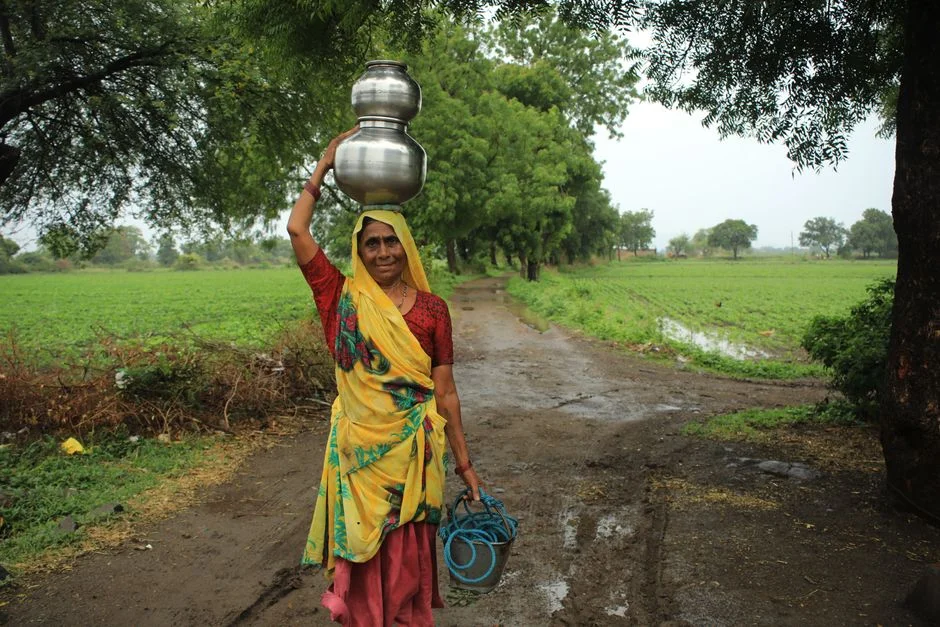
Beyond crops, livestock producers report shortages of green fodder as pastures remain dry. Rural communities dependent on groundwater face the prospect of deeper wells or longer treks to water sources. Women and girls in affected villages typically bear the burden of water collection, meaning the crisis disproportionately affects household dynamics and education, particularly for girls who may be pulled from school to help gather water.
Government Response and Monitoring
The National Disaster Management Authority has activated monitoring protocols for the high-risk districts. State governments in Madhya Pradesh and Maharashtra have begun preliminary assessments of water availability and crop conditions. District collectors have been instructed to submit weekly reports on ground-level situations, including water levels in major reservoirs and the status of agricultural operations.
The Centre has not yet declared a national drought, but officials indicate that additional reviews are scheduled for late August. Such a declaration would unlock federal relief funds and trigger state-level response plans. The Ministry of Agriculture has advised farmers to consider drought-resistant crop varieties where sowing windows remain open.
What to Watch in the Coming Weeks
The India Meteorological Department's updated forecast for the remainder of August will determine whether the situation stabilises or worsens. Normal rainfall in August and September could partially offset the early-season deficit, but meteorologists caution that El Nino's effects typically persist through September. The next four to six weeks represent a critical window for kharif crops, and further delay would significantly reduce harvest prospects.
Reservoir levels across the Narmada and Tapti basins — critical for Madhya Pradesh and Maharashtra respectively — will serve as a real-time indicator of water stress. Citizens in affected districts should monitor local government advisories regarding groundwater usage and prepare for potential water rationing in urban areas if the deficit continues.
See Also
- Indian Scholar Discovers Sound Classification System 17 Centuries Ahead of West
- Health Camp in Madhya Pradesh Aims to Improve Community Wellness