India is shifting its focus towards Nigeria and other African countries for soybean imports as it grapples with domestic supply shortages. This decision follows a significant decline in local soybean production, which has affected food security and economic stability in various regions across India.
Supply Shortages Prompt Shift in Strategy
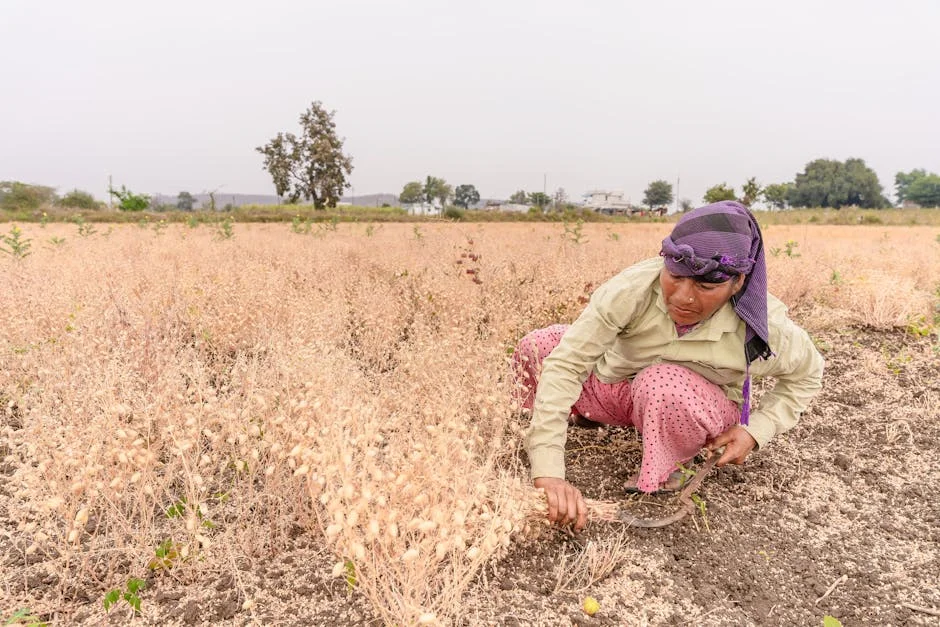
On Thursday, the Indian Ministry of Agriculture confirmed that soybean imports from Nigeria surged by 25% in the last quarter. This increase is primarily due to a sharp drop in production, which fell by 15% this year compared to 2022. Local farmers are struggling with adverse weather conditions, leading to reduced crop yields.
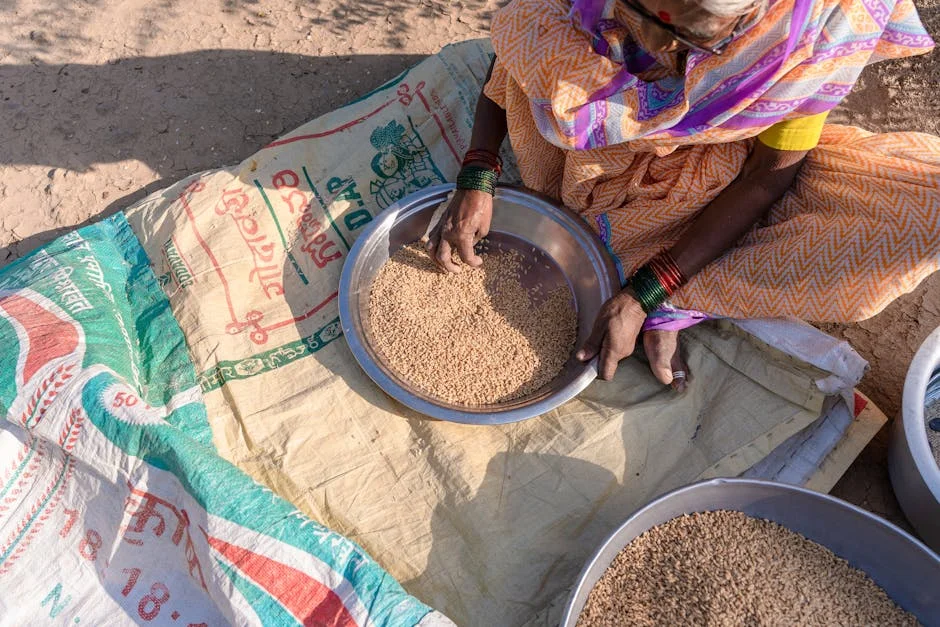
The Indian government’s focus now lies on securing sufficient soybean supplies from Africa's largest economy. With Nigeria exporting approximately $1.8 billion worth of soybeans this year, India aims to stabilise its domestic market and ensure food prices do not spiral out of control.
Economic Implications for Local Farmers
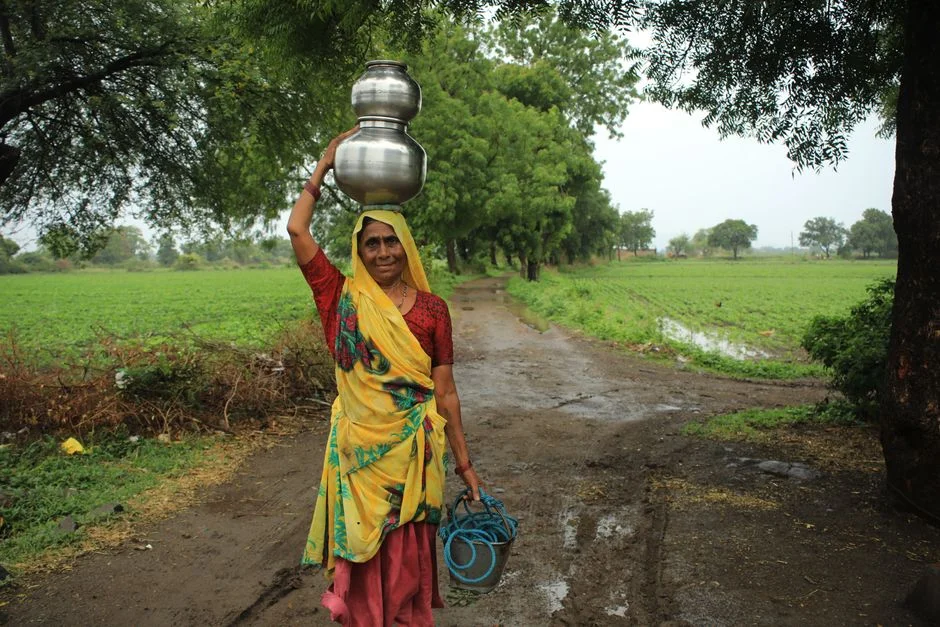
The dependence on African imports could have dire consequences for Indian farmers, particularly those in key soybean-producing states like Madhya Pradesh and Maharashtra. As prices fluctuate and reliance increases on foreign supply, local farmers may find themselves at a disadvantage. Their ability to compete in the domestic market could diminish further.
Farmers in Madhya Pradesh have reported a downturn in income as prices for soybeans have dropped to ₹4,500 per quintal, a decrease from ₹5,200 last year. This situation has led to increased anxiety among communities reliant on soybean farming for their livelihoods.
Community Response and Adaptation
Local agricultural associations are urging the government to implement measures that protect farmers, including subsidies and market support schemes. Ramesh Patel, president of the Madhya Pradesh Soybean Growers Association, stated, "We need immediate government intervention to support our farmers. Without it, many could face severe economic hardship."
In response, some communities are exploring alternative crops that can thrive under current weather conditions, although transitioning may take time and significant investment. The shift in focus to Nigerian soybeans could lead to diversification in agricultural practices.
The Role of African Suppliers
Nigeria, along with nations like Angola and Tanzania, has positioned itself as a promising ally in meeting India's soybean demand. With a commitment to stabilising their agricultural sectors, these countries have also seen an opportunity to expand their export markets. Nigerian farmers are increasingly investing in improved agricultural technologies to meet the rising demand.
This collaboration could yield mutual benefits, fostering stronger trade ties between India and African nations. The Nigerian government is reportedly planning to allocate more resources towards increasing soybean production in anticipation of higher demand from India.
Looking Ahead: What to Watch
The Indian government is expected to unveil its agricultural policy reforms next month, which may include measures aimed at boosting local production and reducing dependency on imports. Farmers and trade analysts are keenly observing these developments, as the upcoming policy could determine the future of soybean cultivation in India.
As India navigates these challenges, the ongoing relationship with Nigerian soybeans will play a critical role in shaping local economies and food security in the months ahead.
See Also
- Discovery Slams Abax Investments Over Markte Land Deal
- Intel Unveils Core Ultra - Shattering AMD and Qualcomm's Hold on Market: What It Means for India