Four separate blazes erupted across Delhi overnight, leaving a trail of charred shops and ruined homes in their wake. Firefighters battled the flames through the early morning hours, but many residents in the affected neighborhoods woke up to a scene of smoke, soot, and uncertainty. The incidents have sparked immediate concern among local business owners and families who fear for their safety and livelihoods.
Firefighters Race Against Time in Multiple Districts
The Delhi Fire Services received multiple calls for help as the fires broke out simultaneously in different parts of the capital. Teams rushed to the scenes, but the sheer number of outbreaks stretched resources thin. Fire stations across the city went on high alert, with engines and ladders deploying within minutes of the initial alarms. The speed of the response was critical, given the dense urban layout of the affected areas.
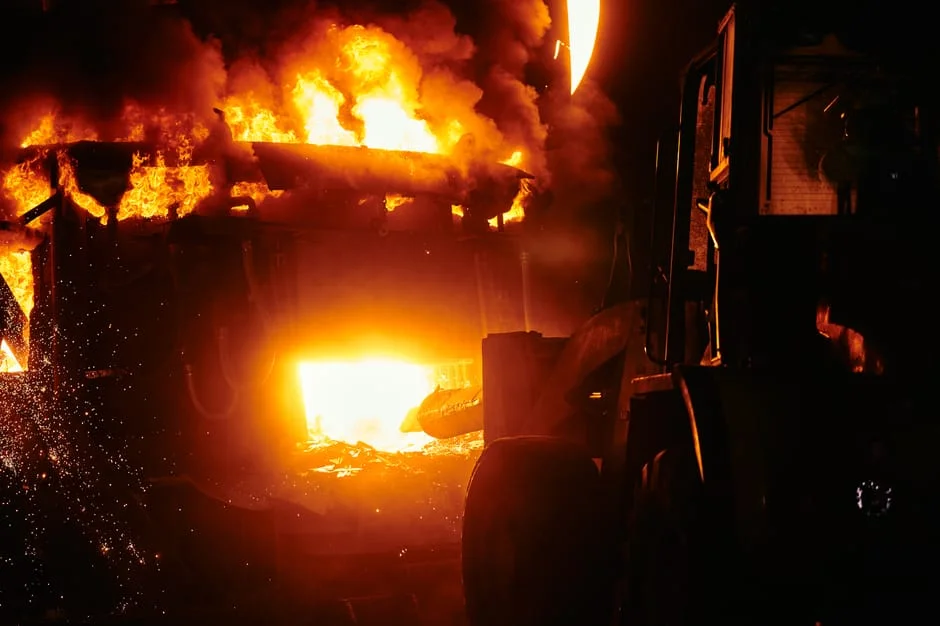
In one of the hardest-hit zones, flames spread rapidly from a small grocery store to the adjacent residential building. The structure was an old mixed-use property, common in many Delhi neighborhoods. Firefighters had to work quickly to prevent the blaze from jumping to nearby houses. They managed to contain the fire after several hours of intense effort, but not before significant damage was done.
Challenges in Urban Fire Response
The incident highlights the ongoing challenges of firefighting in Delhi's crowded urban landscape. Narrow lanes often make it difficult for large fire engines to reach the heart of the blaze. Additionally, many buildings lack modern fire safety features, which allows fires to spread faster than in planned housing complexes. These structural issues mean that every minute counts when a fire breaks out in these areas.
Another fire broke out in a commercial strip, where small retail shops are packed tightly together. The heat from the flames melted shop fronts and damaged goods stored inside. Business owners watched helplessly as their inventory turned to ash. The loss is not just financial but also emotional, as many of these shops have been family-run enterprises for years.
Residents Face Immediate Displacement and Confusion
Families living in the gutted homes faced immediate displacement after the fires. Many had to pack only the essentials and move in with relatives or into temporary government shelters. The suddenness of the event left little time for preparation. Children were taken out of school, and daily routines were disrupted for weeks, if not months. The psychological impact on these communities is significant, as they grapple with the uncertainty of their living situation.
Local residents expressed frustration over the frequency of such incidents. Some noted that this was the third major fire in their area within the last six months. They questioned whether enough was being done to prevent these disasters. Community leaders organized quick meetings to discuss immediate needs, such as food, clothing, and medical check-ups for those exposed to smoke inhalation.
The social fabric of these neighborhoods was tested as neighbors rallied to help one another. Volunteers distributed water and snacks to those stranded on the streets. This community response provided some comfort, but it also underscored the vulnerability of residents in these densely populated areas. People are looking for long-term solutions, not just short-term relief.
Local Economy Suffers as Shops Remain Closed
The fires have dealt a heavy blow to the local economy in the affected districts. With four shops gutted, small business owners are facing steep financial losses. Many of these businesses operate on thin margins, meaning that a single day without income can make a big difference. The closure of these shops also affects the supply chain for neighboring stores that rely on them for goods.
Street vendors and daily wage earners in the area are also feeling the pinch. With fewer customers walking through the neighborhood due to smoke and road closures, their daily earnings have dropped. This economic ripple effect extends beyond the immediate vicinity of the fires. It impacts the broader local market, where small businesses are the backbone of the community's financial health.
Business owners are calling for faster insurance payouts and government subsidies to help them rebuild. However, the process of claiming insurance can be slow and bureaucratic. Many small shop owners do not have comprehensive coverage, which means they might have to foot a large portion of the repair costs themselves. This financial burden could force some businesses to close down permanently.
Questions Arise Over Infrastructure and Safety Codes
The overnight fires have raised serious questions about the enforcement of safety codes in Delhi. Inspectors are now looking into the electrical wiring and fire exits of the affected buildings. Poor electrical infrastructure is often cited as a primary cause of fires in older buildings. If the wiring was not up to code, it could have sparked the initial blaze that spread so quickly.
Building owners are also under scrutiny for maintaining adequate fire safety equipment. Items like smoke detectors, fire extinguishers, and emergency lighting are essential for early detection and evacuation. In some of the affected buildings, these items were either missing or outdated. This lack of basic safety measures contributed to the severity of the damage.
The Delhi Municipal Corporation has announced a review of safety protocols for mixed-use buildings. This review aims to identify gaps in the current system and propose stricter enforcement measures. However, critics argue that without regular inspections and penalties for non-compliance, the changes might remain on paper. Residents are demanding that action be taken to prevent future incidents.
Community Response and Relief Efforts Begin
Local community organizations have stepped up to provide immediate relief to the affected families. They have set up camps in nearby schools and community centers to house the displaced residents. These camps offer basic amenities such as beds, clean water, and hot meals. The relief efforts are coordinated with local NGOs and volunteer groups who are working around the clock to support the community.
The Delhi government has also announced a relief fund to help with the rehabilitation of the affected families. This fund will cover expenses such as rent, medical bills, and minor repairs. Local leaders are working to ensure that the funds reach the right people quickly. The speed of this financial aid will be crucial in helping families get back on their feet.
Neighbors have also played a vital role in the relief effort. They have donated clothes, food, and household items to those who lost everything. This sense of community solidarity is a bright spot in an otherwise challenging situation. It shows that despite the physical damage, the social connections in these neighborhoods remain strong.
What to Watch Next in Delhi Fire Safety
The Delhi Fire Services will release a detailed report on the causes of the four fires in the coming days. This report will provide insights into the specific factors that contributed to the blazes. Residents and business owners are waiting for these findings to understand what went wrong. The report will also include recommendations for preventing similar incidents in the future.
The Municipal Corporation is expected to announce new safety measures by the end of the week. These measures might include stricter building codes and more frequent inspections. It is important to see how these measures will be implemented on the ground. Residents will be watching closely to ensure that the promises made are translated into action.
Local communities will continue to monitor the situation and advocate for better safety standards. They are organizing public meetings to discuss their concerns and propose solutions. The focus will be on creating a safer living environment for everyone. The coming weeks will be critical in determining how effectively the city responds to this crisis.
See Also
- Delhi Faces Deadly Heatwave — Poor Struggle for Survival as Temperatures Soar
- Storms Hit Natal and Free State — Here Is What Changes Wednesday