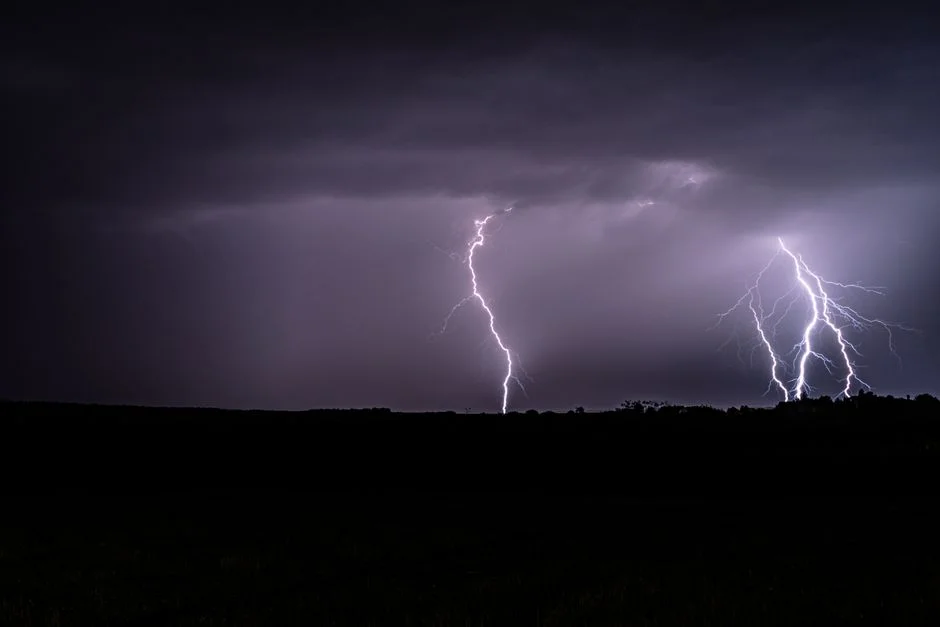
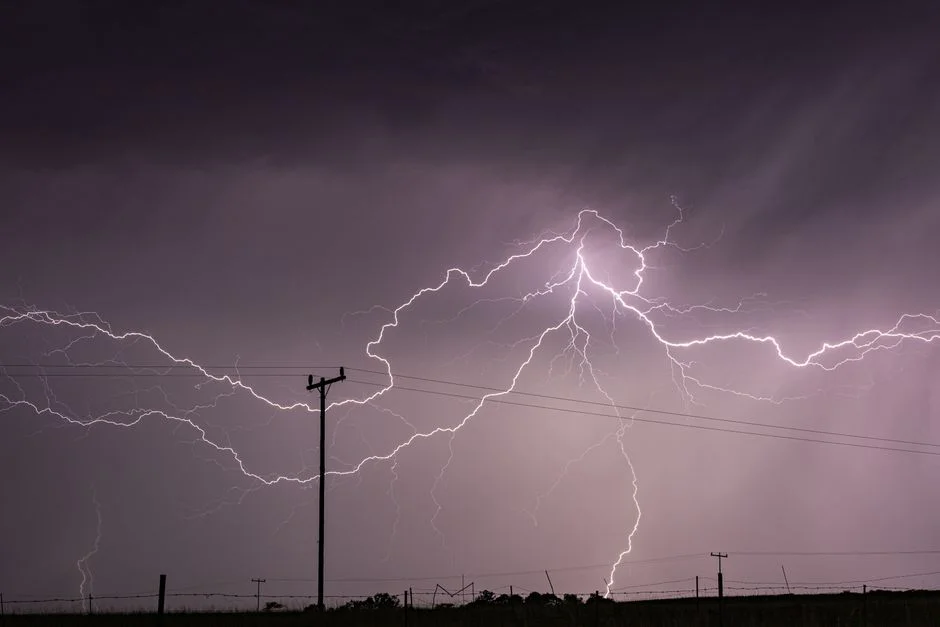
Severe storms are sweeping across South Africa’s eastern and central provinces, bringing heavy rain and hail that threaten to disrupt daily life for thousands of citizens. The weather systems are currently impacting KwaZulu-Natal and the Free State, with the North West province also bracing for impact as the week progresses. Residents in these regions are facing immediate challenges, from flooded roads to potential power outages, making this Wednesday a critical day for local communities.
Immediate Impact on Daily Life in KwaZulu-Natal
The situation in KwaZulu-Natal is developing rapidly, with Durban and surrounding areas seeing some of the heaviest rainfall. Commuters are already feeling the pinch as main roads become slippery and visibility drops due to persistent downpours. The Department of Public Works in the province has deployed teams to clear debris and manage water levels, but the sheer volume of rain is testing their capacity.

Local businesses are adjusting their hours to accommodate the changing conditions. Many shop owners in Pietermaritzburg have reported slower foot traffic as residents choose to stay indoors or delay their errands. The uncertainty surrounding the weather makes planning difficult for small enterprises that rely on steady daily income. This disruption highlights how quickly weather patterns can alter the economic rhythm of a town.
Schools and Workplaces React
Education authorities in the province have advised schools to monitor road conditions closely before sending students home. Parents are receiving last-minute updates via WhatsApp groups, a common practice in the region for rapid communication. This informal network plays a vital role in keeping families informed when official channels are slow to update. The reliance on digital communication underscores the modern way communities navigate unexpected crises.
Office workers in urban centers are also adapting, with some companies allowing for flexible start times. The traffic gridlock in Durban’s CBD is expected to worsen as the rain intensifies mid-day. Drivers are being urged to allow extra time for their journeys to avoid being stranded on major highways. The economic cost of these delays adds up, affecting productivity and consumer spending in the short term.
Free State Faces Hail and Wind Threats
While KwaZulu-Natal battles water, the Free State is contending with a different set of challenges. Hailstones and strong winds are the primary concerns for residents in Bloemfontein and surrounding agricultural zones. Farmers are particularly anxious, as hail can devastate crops that are close to harvest. The agricultural sector is a cornerstone of the local economy, so any damage has immediate financial repercussions for many families.
Local officials have issued warnings for residents to secure loose outdoor items and consider parking cars under cover. The hail is not just a nuisance; it can cause significant damage to vehicles and roofing structures. Insurance companies in the region are already seeing a spike in claims from previous storms, prompting them to urge policyholders to document any new damage quickly. This proactive approach helps speed up the reimbursement process for affected households.
North West Braces for Aftermath
The storm system is moving westward, bringing concerns to the North West province. Residents in Potchefstroom and Rustenburg are watching the skies, knowing that the weather can change in a matter of hours. The region has experienced periodic flooding in recent years, so communities are not entirely new to the challenge. However, the intensity of this particular system has raised the alert level for local emergency services.
Community leaders are organizing check-ins for elderly residents who may have less mobility. This social cohesion is a defining feature of many South African towns, where neighbors look out for one another during tough times. The focus is on ensuring that basic needs, such as power and water, remain stable despite the external chaos. These local efforts are crucial for maintaining morale and safety during the storm.
Why This Weather Event Matters for Regional Planning
This weather event is more than just a temporary inconvenience; it exposes vulnerabilities in regional infrastructure. The frequency of severe storms suggests that cities need to invest more in drainage systems and road maintenance. Planners are using this opportunity to assess which areas are most prone to flooding and what measures can be taken to mitigate future risks. Understanding these patterns is essential for long-term urban development.
The economic impact extends beyond immediate disruptions. Supply chains can be affected if roads are blocked for extended periods, leading to potential price increases for essential goods. Local markets are already sensing this pressure, with some vendors adjusting their pricing strategies. This ripple effect demonstrates how interconnected the local economy is with environmental factors. Citizens are directly feeling these changes in their wallets and daily routines.
What to Watch Next Week
As the storms move through the provinces, the focus will shift to recovery and assessment. Local governments will release detailed reports on the damage within the next few days, providing clarity on the extent of the impact. Residents should keep an eye on official announcements regarding road closures and power restoration schedules. Staying informed will help communities navigate the aftermath more effectively and prepare for any residual weather patterns that may linger into the weekend.
See Also
- SAMATU Slams Premier Ntuli's Claims on Doctor Employment — Here's the Real Situation
- OpenAI Experts Oppose 'Naughty' ChatGPT Launch Over User Risks