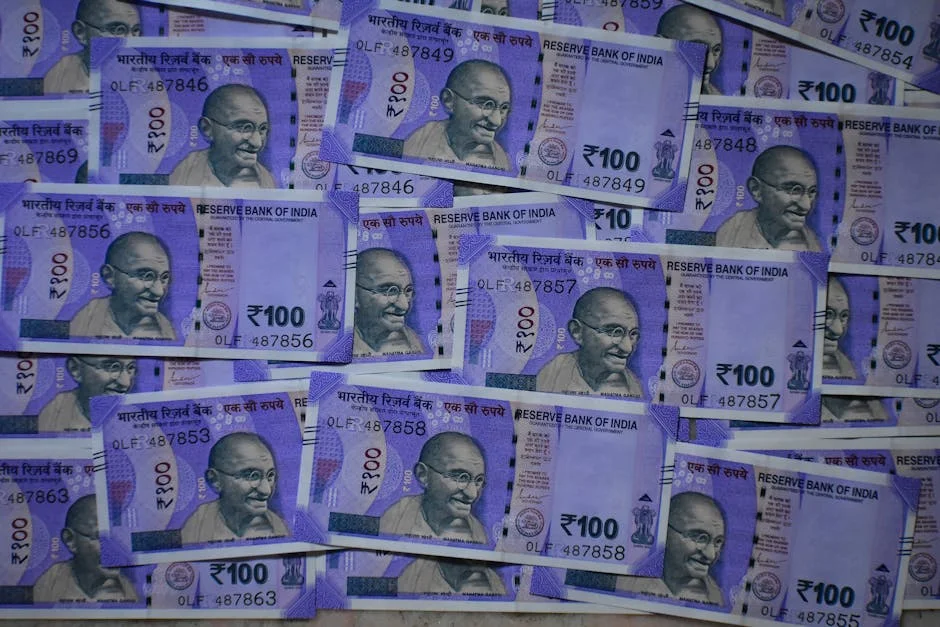
The Indian government has initiated another reduction in fuel prices, marking the fourth such cut in the past four years. This move comes after months of rising costs that have strained household budgets across the nation. Citizens in major cities like Delhi and Mumbai are seeing immediate relief at the pump.
A Rare Break in the Inflation Trend
Fuel costs have been a persistent headache for Indian consumers. Prices surged during the global energy crisis, pushing petrol and diesel to record highs. The recent decision to lower prices signals a strategic shift by the New Delhi administration. It aims to ease the burden on middle-class families and small business owners.
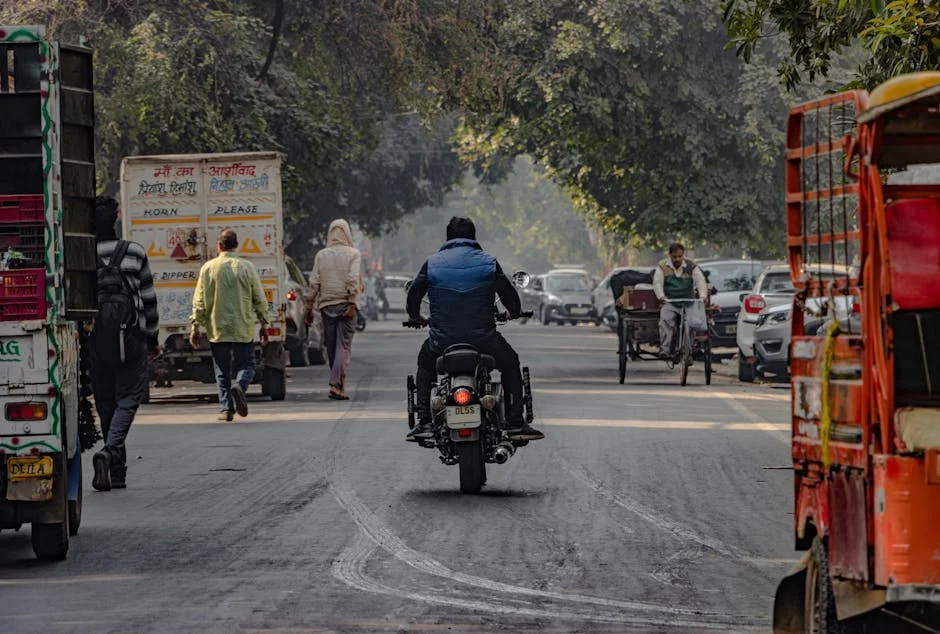
The reduction is not uniform across all states. Fuel taxes in India are shared between the Centre and individual states. This means the final price you pay depends on where you live. States with lower state taxes, like Delhi, often see sharper drops than those with higher levies.
Analysts point out that this is the fourth cut in four years. It suggests a pattern of reactive adjustments rather than long-term stability. Consumers are beginning to understand that fuel prices in India are highly volatile. They rise quickly with global oil prices but fall slowly when crude costs stabilize.
Impact on Daily Commutes and Local Transport
For the average commuter, this price cut offers tangible savings. A liter of petrol dropping by even ten rupees adds up over a month. Daily wage earners who rely on two-wheelers for their livelihood feel the difference immediately. This group includes delivery riders, auto-rickshaw drivers, and sales representatives.
Auto-rickshaw fares in cities like Bengaluru and Chennai are expected to stabilize. Drivers had been demanding higher fares to offset rising diesel costs. With prices coming down, there is less pressure to increase charges for passengers. This helps control the cost of living in metropolitan areas.
Public transport operators also benefit from lower diesel prices. Bus services, which form the backbone of urban mobility, can reduce operational costs. This may lead to more frequent services or lower ticket prices. However, operators often wait for sustained price stability before adjusting fares.
Small Businesses and Logistics Costs
Small and medium enterprises (SMEs) are heavily impacted by fuel prices. Logistics account for a significant portion of their operational expenses. Lower diesel prices reduce the cost of transporting goods from factories to retail outlets. This can help keep retail prices stable for essential commodities.
The agricultural sector also sees benefits. Tractors and harvesters run on diesel. Lower fuel costs mean reduced expenses for farmers during planting and harvesting seasons. This is crucial for rural economies where profit margins are often thin. It supports food security by keeping production costs manageable.
However, the benefit is not automatic. Businesses need time to adjust their pricing strategies. Some may use the lower costs to improve profit margins. Others may pass the savings on to consumers through lower prices. The extent of this pass-through depends on market competition.
Why the Centre Is Acting Now
The timing of this cut is strategic. The Union Government is looking ahead to upcoming elections and economic indicators. Reducing fuel prices helps lower inflation rates. This makes the broader economic picture look more favorable to voters and investors alike. It is a political and economic move designed to boost public sentiment.
Global crude oil prices have also stabilized. This gives the Indian government room to reduce taxes on petrol and diesel. The Ministry of Finance monitors these trends closely. They aim to balance revenue collection with consumer relief. Lower taxes mean less revenue for the Centre, but it can stimulate economic activity.
The government has stated that the cuts are meant to provide relief. They argue that the burden of high fuel prices has been significant. By reducing taxes, they aim to put more money back into the pockets of consumers. This approach seeks to boost domestic demand and support economic growth.
Regional Disparities in Fuel Pricing
Not all Indian states have reduced their fuel taxes equally. Some states rely heavily on fuel tax revenue to fund infrastructure projects. These states may be slower to cut prices. For example, states with large deficits might keep taxes high to balance their books. This creates a disparity in fuel prices across the country.
Delhi often has the lowest petrol prices due to lower state taxes. In contrast, states like Kerala and Tamil Nadu may have higher prices. This affects inter-state trade and travel. Businesses operating in multiple states face complex logistics costs. They must account for these price differences in their supply chains.
The lack of uniformity in state taxes is a long-standing issue. The Goods and Services Tax (GST) council has discussed rationalizing fuel taxes. However, consensus has been elusive. Until states agree to harmonize their taxes, consumers will continue to face varying prices. This complicates financial planning for both individuals and businesses.
Consumer Response and Market Reaction
Initial reactions from consumers are positive. People are rushing to fill their tanks to take advantage of the lower prices. Petrol stations in major cities have seen increased footfall. This immediate response shows how sensitive consumers are to price changes. Even small cuts can drive significant demand.
However, there is also skepticism. Many consumers remember previous cuts that were short-lived. They worry that prices will rise again soon. This uncertainty affects spending habits. Some households may delay major purchases until prices stabilize. This caution can impact retail sales and automotive markets.
Financial markets have responded cautiously. Stock markets often view fuel price cuts as positive for consumer sentiment. However, investors also look at the broader economic context. They consider factors like global oil prices and domestic inflation. The market reaction will depend on how sustained these cuts are.
Long-Term Implications for the Indian Economy
Repeated fuel price cuts highlight the volatility of India's energy sector. It shows how dependent the economy is on crude oil imports. Any fluctuation in global markets directly impacts Indian consumers. This dependency makes the economy vulnerable to external shocks. It underscores the need for energy diversification.
The government is pushing for renewable energy sources to reduce this dependency. Solar and wind energy projects are expanding across the country. However, transition takes time. In the interim, fuel prices will remain a key economic indicator. Consumers will continue to watch these prices closely.
For the average citizen, the key takeaway is to stay informed. Fuel prices in India are likely to remain dynamic. Planning for fluctuations is essential for financial stability. Understanding the factors behind these changes helps in making better spending decisions. It also allows for more effective budgeting for households and businesses.
The next major update on fuel prices is expected in the coming weeks. The government will monitor global crude oil trends and domestic inflation data. Consumers should watch for announcements from the Ministry of Finance. These updates will determine whether the current price relief is sustained or temporary. Staying informed will help you navigate the changing economic landscape.
See Also
- Rajasthan Judge's Wife Found Dead in Train Toilet: Rescuers Break Open Door
- New Cancer Drug Shocks Doctors as Brain Tumour Vanishes in 5 Days
The Union Government is looking ahead to upcoming elections and economic indicators. Long-Term Implications for the Indian Economy Repeated fuel price cuts highlight the volatility of India's energy sector.