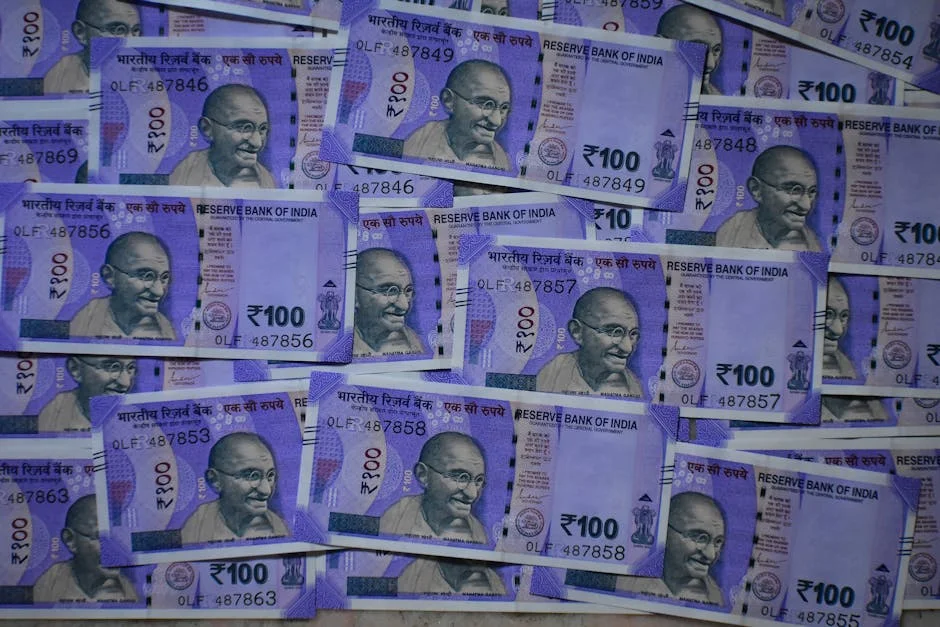
India continues to pour money into Russian crude oil markets, defying potential sanctions from Donald Trump’s administration. This strategic move directly impacts the daily lives of citizens across the nation by stabilizing fuel prices and curbing inflation. The decision reflects a calculated risk by New Delhi to prioritize economic stability over geopolitical alignment. Citizens in Mumbai and Delhi feel the immediate benefits through lower petrol costs and cheaper transport.
Economic Strategy Over Geopolitical Pressure
The Indian government has made it clear that economic pragmatism will drive its energy policy. Officials in New Delhi argue that abandoning Russian oil would force India to rely on more expensive Middle Eastern supplies. This shift would inevitably lead to higher costs for end-consumers. The Ministry of Finance has closely monitored these price fluctuations to ensure stability.

Trump’s return to the White House brings renewed uncertainty regarding US-Russia relations. His administration has signaled a tougher stance on countries continuing to buy Russian energy. However, India’s leadership believes that a waiver or a gradual phase-out is more likely than an immediate embargo. This belief allows them to maintain current import levels without panic.
For the average Indian household, this strategy means that the cost of living does not spike overnight. Energy costs are a major component of inflation in India. By keeping oil prices in check, the Reserve Bank of India can manage interest rates more effectively. This has a ripple effect on loan repayments and savings for millions of families.
Impact on Daily Life and Local Economies
The direct effect of stable oil prices is visible in local markets across the country. Vegetable prices, which depend heavily on transport costs, remain relatively steady. Small business owners in cities like Bangalore and Chennai benefit from predictable logistics expenses. This stability is crucial for the recovery of the service sector and retail trade.
Transport costs form a significant portion of the budget for commuters in metropolitan areas. With diesel and petrol prices held in check, daily wage earners see a slight improvement in their disposable income. This is particularly important for the informal sector, where salaries are often fixed and inflation can erode purchasing power quickly. Communities in industrial hubs like Gujarat feel this impact acutely.
Local manufacturing units also rely on consistent energy costs to remain competitive. Any sudden surge in crude prices would increase production costs for everything from textiles to electronics. By sticking with Russian crude, India protects its export competitiveness in global markets. This helps maintain employment levels in key industrial regions.
Regional Variations in Oil Dependency
Different states in India experience the impact of oil prices in unique ways. Oil-rich states like Assam may have different perspectives compared to coastal states like Kerala. Kerala, which imports most of its fuel, is highly sensitive to global crude price swings. The state government often adjusts state taxes to mitigate the impact on residents.
In contrast, northern states like Punjab rely heavily on diesel for agricultural activities. Stable fuel prices directly affect the cost of farming and the price of milk and grains. Farmers in these regions welcome the price stability as it reduces their operational overheads. This regional diversity in impact requires a nuanced approach from the central government.
Geopolitical Risks and Diplomatic Balancing
India’s relationship with the United States is at a critical juncture. The US views India as a key strategic partner in the Indo-Pacific region. However, Washington is increasingly concerned about India’s energy ties with Moscow. This tension creates a delicate diplomatic dance for Indian foreign ministers. They must reassure US allies while maintaining energy security.
The concept of a “waiver” is central to India’s strategy. A waiver would allow India to buy Russian oil without facing full-blown US sanctions. This would involve using alternative currencies or shipping routes to minimize the dollar’s dominance. India has been working on these mechanisms for over a year to prepare for such a scenario. The success of these mechanisms depends on continued diplomatic engagement.
Trump’s approach to diplomacy is known for its transactional nature. He may be willing to grant a waiver if India offers other concessions. These could range from increasing defense purchases from the US to strengthening trade ties. India is prepared to negotiate these terms to secure its energy interests. This flexibility is a key strength of India’s foreign policy.
However, the risk of a sudden policy shift remains. If the US decides to impose harsher penalties, India could face secondary sanctions. This would affect Indian companies doing business with both the US and Russia. The financial sector, in particular, would need to brace for potential volatility. Banks and corporations are currently stress-testing their portfolios for such scenarios.
Market Reactions and Investor Sentiment
Financial markets in India have shown resilience despite the geopolitical uncertainty. The Bombay Stock Exchange has remained relatively stable, reflecting investor confidence in the government’s strategy. Analysts believe that the market has already priced in the risk of Russian oil sanctions. This suggests that a sudden shock is less likely to cause a major correction.
Foreign institutional investors are watching the situation closely. Their continued investment in India signals trust in the country’s economic fundamentals. However, any escalation in US-Russia tensions could trigger short-term volatility. Investors are advised to monitor diplomatic statements from both Washington and New Delhi. The next few months will be crucial for market sentiment.
The rupee’s exchange rate is another key indicator of market health. A stable rupee helps in keeping import costs manageable. The Reserve Bank of India has been actively intervening to prevent excessive fluctuations. This monetary policy support complements the government’s energy strategy. Together, they provide a buffer against external economic shocks.
Long-Term Energy Security and Diversification
While Russian oil is a current lifeline, India is also looking at long-term solutions. The country is investing heavily in renewable energy sources like solar and wind. This diversification reduces dependence on any single country or fuel type. The goal is to achieve a more balanced energy mix over the next decade. This transition is essential for both economic and environmental sustainability.
India is also exploring partnerships with other oil-producing nations. Countries in the Middle East and Africa are offering competitive deals to attract Indian buyers. This gives New Delhi more leverage in negotiations with both Russia and the US. By not putting all its eggs in one basket, India strengthens its bargaining position. This strategy ensures that no single geopolitical event can cripple its energy supply.
The development of domestic refining capacity is another critical step. India has become one of the largest refiners in the world, exporting finished products to Europe and Asia. This adds value to the crude oil imports and generates foreign exchange. The refining sector is a key driver of economic growth in states like Maharashtra and Gujarat. Supporting this sector is a priority for the government.
What to Watch Next
The coming weeks will be critical in determining the trajectory of India’s oil imports. Key indicators include any official statements from the US Treasury regarding waivers. The outcome of bilateral meetings between Indian and American diplomats will also provide clues. Investors and citizens should monitor these developments for signs of policy shifts.
Domestically, the next budget announcement will reveal the government’s fiscal priorities. Subsidies on fuel and energy taxes will directly impact consumer prices. The Reserve Bank of India’s upcoming monetary policy meeting will also signal the economic outlook. These events will shape the immediate economic environment for Indian households and businesses.
As global tensions evolve, India’s ability to navigate these challenges will be tested. The focus remains on maintaining economic stability while managing diplomatic risks. Citizens can expect the government to continue its pragmatic approach, prioritizing daily economic well-being. The resilience of the Indian economy will be the ultimate judge of this strategy’s success.
See Also
- Lisbon Bids Farewell to António Lobo Antunes: A National Mourning Begins
- Benfica and Porto Clash Ahead of Sunday Showdown: What It Means for Local Fans
This suggests that a sudden shock is less likely to cause a major correction. What to Watch Next The coming weeks will be critical in determining the trajectory of India’s oil imports.