Somali pirates have resumed aggressive raids on commercial vessels in the Western Indian Ocean, sending shockwaves through global supply chains and directly impacting Indian merchants. This resurgence forces Indian shipping companies to increase insurance premiums and alter routes, raising costs for consumers across the subcontinent. The threat is no longer a distant memory for Mumbai-based logistics firms that rely on the Gulf of Aden.
Indian Shipping Costs Rise Sharply
The return of piracy in the Horn of Africa means Indian exporters and importers face immediate financial pressure. Shipping lines operating out of Mumbai and Chennai must now pay higher war-risk premiums to cover vessels passing through the strategic chokepoint. These costs are not absorbed by the companies alone; they are passed down to the consumer.
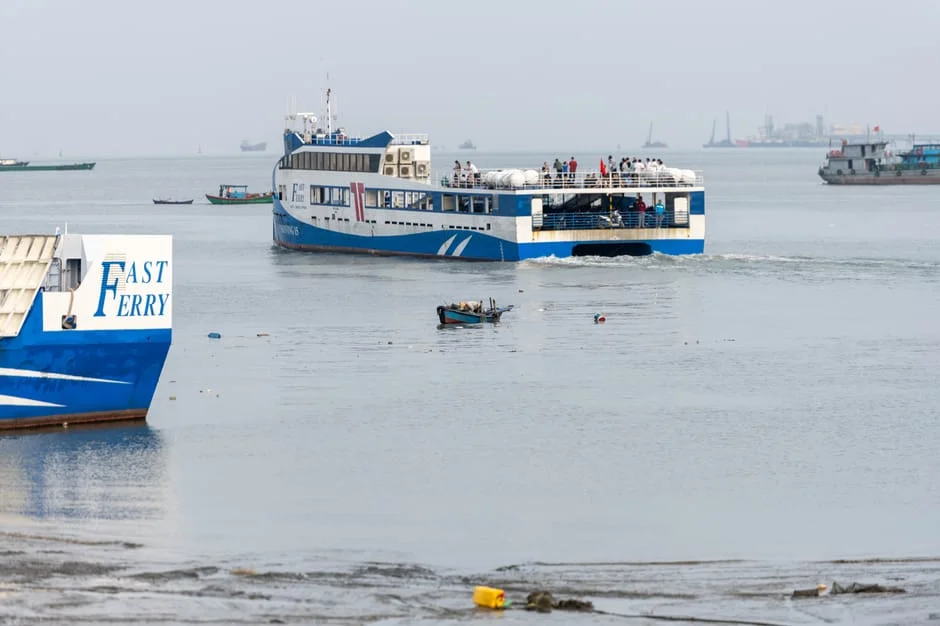
Indian importers of crude oil from the Middle East are among the first to feel the pinch. A single tanker delay can cost thousands of dollars in demurrage fees, which eventually inflate fuel prices at Indian petrol pumps. The ripple effect extends to the retail sector, where goods from East Africa and the Middle East arrive with higher landed costs.
Logistics managers in Delhi report that freight rates have begun to stabilize at higher baselines compared to the pre-pandemic era. This trend complicates budgeting for small and medium enterprises that depend on just-in-time delivery models. The uncertainty creates a lingering anxiety in boardrooms across India’s industrial hubs.
Local Communities in Somalia Bear the Burden
While Indian businesses adjust their balance sheets, the local communities in Puntland and Somaliland face complex social changes. Piracy has returned as a primary source of income for many coastal villages that were previously dependent on fishing and agriculture. For some families, the risk of losing a boat or a life is outweighed by the promise of a lucrative ransom.
The economic reliance on piracy creates a paradoxical stability in these remote regions. Money flows into local markets, building new homes and funding schools in towns like Bosaso and Harmed. However, this wealth is fragile and dependent on the continued movement of international shipping traffic. If ships stop coming, the local economy could collapse just as quickly as it rose.
Social dynamics within these communities are shifting as young men view the sea as a goldmine rather than a graveyard. This shift affects education and long-term planning, as immediate cash rewards often take precedence over long-term investments. The community response is mixed, with some elders welcoming the income while others fear the loss of traditional maritime culture.
Impact on Local Fisheries and Food Security
The resurgence of piracy also threatens the local fishing industry, which is crucial for food security in the region. Large-scale industrial trawlers from Europe and Asia often encroach on Somali waters, depleting fish stocks that local communities rely on for protein. Piracy sometimes acts as a form of protest against these foreign fishing fleets, adding a layer of complexity to the conflict.
When pirates dominate the coastline, local fishermen often have to pay protection money or risk their boats being seized. This additional cost reduces their net income and can drive up the price of fish in local markets. For citizens in Mogadishu and other urban centers, the price of fresh fish is a key indicator of household economic health.
The tension between preserving local resources and generating quick cash through piracy remains unresolved. International aid organizations in the region are struggling to balance support for fisheries with the need to stabilize coastal security. The outcome will determine whether Somali communities can build a sustainable economy or remain trapped in a cycle of raiding and ransoming.
Geopolitical Tensions in the Western Indian Ocean
The Western Indian Ocean has become a critical theater for geopolitical maneuvering, with India playing a central role. The Indian Navy has increased its presence in the region, conducting regular patrols to deter pirate activity and protect merchant vessels. This military engagement is part of India’s broader "Look East" policy, aiming to secure energy routes and expand trade ties with East African nations.
Joint naval exercises with countries like Kenya and Ethiopia are becoming more frequent. These partnerships strengthen regional security architectures and provide a unified front against maritime threats. For Indian citizens, this means a more secure trade route, but also a greater commitment of national defense resources. The strategic importance of the region cannot be understated.
However, the return of piracy exposes the fragility of these security arrangements. It suggests that political stability on land does not always translate to peace at sea. The interplay between local clan dynamics, national government policies, and international naval power creates a volatile environment. Understanding these dynamics is essential for predicting future disruptions to global trade.
Consumer Prices and Daily Life in India
The direct impact of Somali piracy on the average Indian citizen is visible in the price of everyday goods. Imported items such as spices, textiles, and electronics may see incremental price hikes as shipping costs adjust. These increases might seem small individually, but they add up significantly for middle-class families managing tight budgets.
Energy prices are particularly sensitive to disruptions in the Gulf of Aden. Any delay in oil tankers reaching Indian refineries can lead to fluctuations in petrol and diesel prices. This directly affects transportation costs, which in turn influences the price of vegetables, fruits, and other perishable goods transported by road.
Small businesses that rely on imported raw materials are also feeling the pressure. A textile manufacturer in Tirupur or an auto parts supplier in Pune must factor in higher logistics costs when setting their prices. This can reduce their competitiveness in both domestic and international markets. The cumulative effect on the Indian economy is a subtle but persistent drag on growth.
Regional Stability and Economic Interdependence
East Africa’s economic health is increasingly intertwined with global trade flows. Countries like Kenya, Tanzania, and Ethiopia serve as key gateways for goods moving between Asia and Europe. Disruptions in this region can cause bottlenecks that echo far beyond the immediate coastline. For Indian traders, understanding these regional dynamics is crucial for strategic planning.
The stability of East African nations directly influences the security of the Western Indian Ocean. Political unrest or economic downturns in these countries can create vacuums that pirates and other maritime actors exploit. Therefore, investments in regional stability are also investments in trade security for Indian businesses. This interdependence requires a nuanced approach to diplomacy and trade policy.
Indian companies are beginning to diversify their supply chains to mitigate risks associated with the region. Some are exploring alternative routes or increasing inventory levels to buffer against potential delays. These strategies, however, come with their own costs and complexities. The challenge is to balance efficiency with resilience in an unpredictable environment.
Future Outlook and Strategic Responses
The situation in the Western Indian Ocean is likely to evolve over the coming months. International naval coalitions are monitoring the situation closely, ready to deploy additional resources if necessary. The effectiveness of these deployments will depend on coordination between different navies and the local governments of Somalia and its neighbors.
Indian policymakers are reviewing their maritime security strategies to address the new challenges. This may involve increased investment in naval infrastructure, enhanced intelligence gathering, and stronger diplomatic ties with East African partners. The goal is to create a more robust framework for managing maritime risks and protecting national interests.
For citizens and businesses in India, the key is to stay informed and adaptable. Monitoring news from the Horn of Africa and understanding the potential impacts on trade and prices is essential. Proactive planning and flexible supply chain management will be critical in navigating the uncertainties of the coming years. The next major development to watch is the announcement of new joint naval exercises between India and Kenya, scheduled for early next year, which will signal the region's collective response to the pirate resurgence.
See Also
- India-US Set to Ink Critical Minerals Deal - Envoy Gor Reveals Exciting Update
- West Bengal Launches Annapurna Yojana — Cash Aid Scheme Aims to Empower Women
What is the latest news about somali pirates force indian shipping giants to rethink safety?
Why does this matter for development?
What are the key facts about somali pirates force indian shipping giants to rethink safety?