Delhi Chief Minister Rekha Gupta has officially launched the "Metro Monday" initiative, urging millions of capital city residents to abandon their private vehicles for the subway system every first Monday of the month. This direct response to Prime Minister Narendra Modi’s national appeal to save fuel aims to reduce congestion and lower the carbon footprint of India’s most populous urban center.
The announcement marks a strategic pivot in Delhi’s transportation policy, blending political symbolism with practical urban planning. Citizens are now facing immediate changes to their weekly routines as the administration pushes for a collective behavioral shift. The move is designed to test the resilience of the Delhi Metro Rail Corporation (DMRC) infrastructure under peak, coordinated usage.
Direct Impact on Daily Commutes
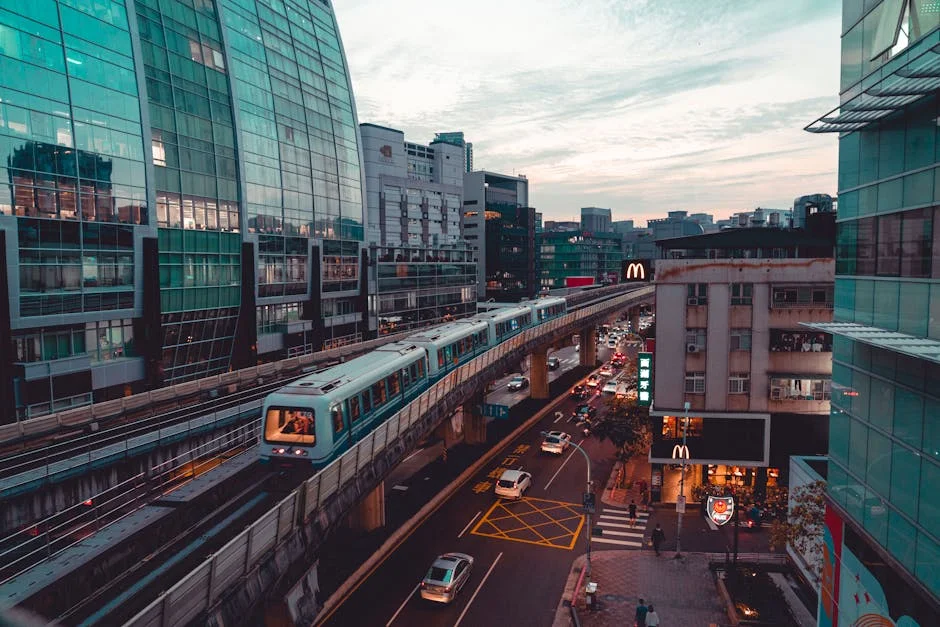
The introduction of Metro Monday directly alters the morning and evening rush hour dynamics for over 20 million Delhi residents. Traffic on major arteries like the Ring Road and the Outer Ring Road is expected to see a noticeable dip in vehicular volume. This reduction could translate into time savings for thousands of commuters who typically spend hours stuck in gridlock.
For the average worker, the change requires planning. Leaving home 15 minutes earlier might be necessary to catch a train before the surge hits. The DMRC has announced that additional trains will be deployed on key corridors, including the Yellow and Blue lines, to accommodate the influx. However, the success of this initiative depends heavily on the willingness of suburban residents to trust the system during the initial rollout phase.
Local shopkeepers near metro stations are already preparing for increased footfall. Vendors selling newspapers, snacks, and daily essentials expect a boost in sales as commuters linger longer at stations. This micro-economic benefit could ripple through local communities, providing a small but tangible economic lift to station-adjacent businesses.
The Political Strategy Behind the Move
Chief Minister Rekha Gupta’s decision is not merely logistical; it is a calculated political alignment with the central government’s environmental goals. By echoing Prime Minister Modi’s call to action, Gupta positions the Delhi government as a proactive partner in the national narrative. This alignment is crucial for maintaining smooth federal-state relations and securing further investments in Delhi’s infrastructure projects.
Prime Minister Narendra Modi’s appeal to "save fuel" resonates with voters concerned about rising petrol and diesel prices. The cost of petrol in Delhi has fluctuated significantly, often hovering around ₹95 per liter. For middle-class families, every liter saved contributes to household budget stability. The Metro Monday initiative offers a tangible way for citizens to participate in this economic relief effort.
Governor Taranjit Singh Sandhu has also endorsed the move, highlighting the importance of collective responsibility. His support adds weight to the campaign, signaling that the initiative has broad administrative backing across different branches of the Delhi government. This unified front helps in minimizing bureaucratic friction and ensuring that the message reaches various demographic groups effectively.
Aligning with National Environmental Goals
The initiative aligns with India’s broader commitment to reducing greenhouse gas emissions. Delhi, often ranked as one of the most polluted cities in the world, faces intense pressure to improve its Air Quality Index (AQI). Reducing the number of private cars on the road directly correlates with lower emissions of nitrogen oxides and particulate matter.
Environmental activists have welcomed the move, though they caution that a single day a month may not yield drastic long-term results. They argue that consistent policy measures, such as the Odd-Even scheme or the introduction of electric buses, are also necessary. However, the symbolic power of a unified "Metro Monday" cannot be understated in shaping public opinion and habit formation.
Economic Implications for Local Businesses
The shift from private vehicles to public transport has direct economic consequences for the local economy. Reduced traffic congestion can lower logistics costs for delivery services, which are vital for the thriving e-commerce sector in Delhi. Faster delivery times can enhance customer satisfaction and boost sales for local retailers.
Conversely, parking lot operators in commercial hubs like Connaught Place and Gurugram borders may see a temporary dip in revenue. These businesses will need to adapt by offering flexible pricing or integrating with metro ticketing systems to capture the remaining demand. The flexibility of the local economy will be tested as these micro-adjustments take place.
Taxi and auto-rickshaw drivers might also experience changes in demand patterns. With more people opting for the metro, the last-mile connectivity provided by autos becomes even more critical. Drivers near metro stations may see an increase in short-distance rides, while those in less connected areas might face slightly reduced volume. This dynamic requires adaptive pricing strategies from drivers to maximize their earnings.
Community Response and Social Dynamics
Initial reactions from Delhi residents have been mixed but largely positive. Social media platforms are buzzing with discussions about the initiative, with many users sharing their plans and experiences. Some commuters express excitement about the potential for a more relaxed morning commute, while others are skeptical about the consistency of the metro service during peak hours.
Community groups in residential neighborhoods have started organizing carpooling initiatives to complement the Metro Monday drive. These grassroots efforts help in reducing the number of cars on the road even before people reach the metro station. Such collaborative approaches strengthen community bonds and foster a sense of shared responsibility among residents.
However, challenges remain. Accessibility for the elderly and differently-abled commuters is a key concern. While the Delhi Metro has made significant strides in improving accessibility, there is still room for enhancement. Ensuring that Metro Monday is inclusive requires targeted efforts, such as dedicated assistance at stations and clear signage, to make the experience seamless for all users.
Infrastructure Readiness of Delhi Metro
The Delhi Metro Rail Corporation (DMRC) has undertaken several measures to prepare for the increased load. Additional staff have been deployed at key stations to manage crowds and provide real-time updates. Digital displays and announcements are being used to guide passengers efficiently, reducing confusion and wait times.
Maintenance schedules for trains and tracks have been optimized to minimize disruptions. The DMRC has also introduced special "Metro Monday" tickets and passes to encourage regular usage. These incentives aim to make the metro a more attractive option compared to private vehicles, especially for those who are on the fence about making the switch.
Technological upgrades, such as the integration of mobile ticketing apps and contactless payment systems, are also playing a crucial role. These innovations reduce the friction of entry and exit, making the overall experience smoother and faster. The DMRC’s ability to leverage technology will be a key factor in the long-term success of the Metro Monday initiative.
Looking Ahead: What Comes Next
The true test of Metro Monday will come in the coming months as the initiative becomes a regular feature of Delhi’s transport calendar. The Delhi government plans to evaluate the impact through data collection on traffic volume, fuel consumption, and passenger feedback. This data will inform future policy decisions and potential expansions of the initiative.
Residents should watch for announcements regarding the extension of Metro Monday to other days of the week or the introduction of complementary incentives, such as discounted bus fares. The government may also consider integrating the initiative with broader environmental campaigns, creating a multi-faceted approach to urban mobility. Staying informed about these developments will help citizens adapt and maximize the benefits of this new commuting strategy.
See Also
- Balen Shah Faces Backlash as Nepali Youth Demand Accountability in Governance
- Road Conditions in Satna: A Call for Urgent Attention
What is the latest news about delhis metro monday launch triggers immediate commuter shift?
Why does this matter for local-news?
What are the key facts about delhis metro monday launch triggers immediate commuter shift?