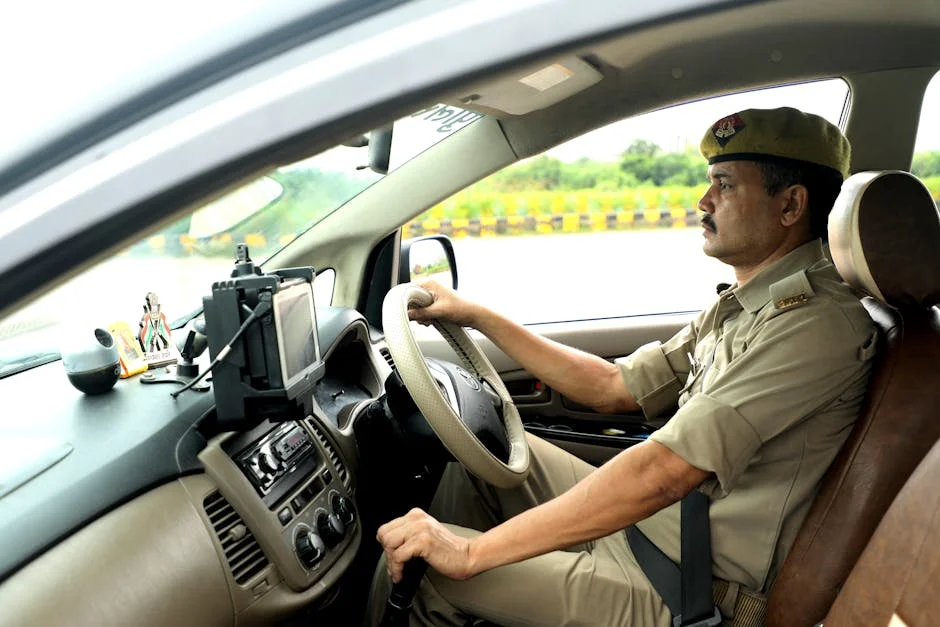
Prime Minister Narendra Modi has issued a direct appeal to political leaders to reduce their reliance on large vehicle convoys, and the Bharatiya Janata Party (BJP) is moving quickly to honour this request. This shift is not merely symbolic; it aims to ease the chronic traffic congestion that plagues Indian cities and reduces the national fuel consumption burden. Citizens in major metropolitan areas are already noticing fewer police barricades and shorter delays during peak hours as political processions shrink in scale.
The directive comes at a time when fuel prices remain a top-of-mind issue for the average Indian voter. By cutting down on the number of vehicles used for political travel, the ruling party hopes to demonstrate tangible leadership in conservation. This initiative directly impacts daily commutes, offering a reprieve from the gridlock that often accompanies political rallies and ministerial tours.
Political Leadership Sets the Tone
The Prime Minister’s call to action has triggered an immediate response from senior BJP leaders across the country. Instead of the traditional entourage of ten or more vehicles, ministers and MPs are now travelling in smaller groups. This change reflects a broader strategy to align political behaviour with the economic realities faced by the common citizen. The message is clear: if the people are feeling the pinch at the petrol pump, the leaders must lead by example.
Modi’s appeal was not just a suggestion but a strategic move to reinforce the party’s image as fiscally prudent and environmentally conscious. Leaders in states like Uttar Pradesh and Maharashtra have been instructed to limit their convoys to three or four vehicles unless security requirements dictate otherwise. This reduction significantly lowers the carbon footprint of political travel and sets a precedent for other parties to follow suit.
The impact of this decision extends beyond fuel savings. It signals a shift in political culture, moving away from the grandeur of large processions towards more functional and efficient travel. This approach resonates with urban voters who are increasingly frustrated by the disruption caused by political traffic. By adopting a leaner approach, the BJP aims to win back goodwill in congested urban centres.
Immediate Impact on Urban Traffic
For commuters in cities like Delhi, Mumbai, and Bangalore, the reduction in political convoys means less time stuck in traffic. Political processions often block major arteries for hours, causing ripple effects that extend far beyond the immediate route. With fewer vehicles on the road, traffic flow has improved noticeably in several key districts. This change offers a small but meaningful improvement to the daily grind for millions of Indians.
Local residents in Delhi have reported that morning commutes are smoother as ministers opt for smaller cars rather than large SUVs. The reduction in police barricades also means that pedestrians and cyclists face fewer obstacles. This shift benefits not just car owners but also public transport users who often get caught in the tail end of political traffic jams.
Community Response in Major Cities
Residents in Mumbai have welcomed the change, noting that the reduction in convoy sizes has made it easier to navigate through the city’s narrow streets. Local business owners, who often suffer from lost customers during long traffic hold-ups, have expressed approval of the new measures. This grassroots support highlights the direct link between political decisions and local economic activity.
In Bangalore, tech workers have noted that the reduction in political traffic has slightly improved the predictability of their commutes. While the change may seem minor, it contributes to a broader sense of relief in a city known for its unpredictable traffic patterns. The community response suggests that citizens are paying attention to these subtle shifts in political behaviour.
Economic Implications for the Average Indian
The fuel savings from reducing political convoys may seem small on an individual basis, but they add up significantly at a national level. India imports a large portion of its crude oil, meaning that every litre saved reduces the pressure on the foreign exchange reserve. This initiative aligns with the government’s broader economic strategy to manage inflation and stabilise the rupee.
For the average Indian, the cost of fuel is a major component of monthly expenses. Any measure that contributes to lowering overall demand can have a positive effect on prices. While the direct impact on pump prices may be gradual, the psychological effect of seeing leaders cut back is powerful. It reinforces the narrative that the government is actively working to manage the economy.
The economic benefits extend to the logistics sector as well. With fewer political vehicles on the roads, there is less disruption to supply chains and delivery schedules. This efficiency gain, though small, contributes to the overall productivity of the economy. It is a reminder that political decisions have ripple effects that extend far beyond the capital.
Environmental Benefits of Smaller Convoys
Beyond the economic advantages, the reduction in political convoys offers significant environmental benefits. Fewer vehicles mean lower emissions of carbon dioxide and other pollutants, which is crucial for improving air quality in Indian cities. Delhi, in particular, has been battling severe air pollution, and any measure that reduces vehicular traffic is welcomed by environmentalists.
The shift towards smaller convoys also encourages the adoption of more fuel-efficient vehicles. Many leaders are opting for hybrid or electric cars, further reducing the carbon footprint of political travel. This move aligns with India’s broader climate goals and positions the BJP as a forward-thinking party on environmental issues.
Environmental groups have praised the initiative, noting that it sets a positive example for other sectors. The reduction in noise pollution is another benefit, particularly in residential areas that are often disrupted by loud political processions. This holistic approach to conservation demonstrates a commitment to sustainable development.
Challenges and Implementation Hurdles
Despite the positive reception, implementing these changes has not been without challenges. Security concerns remain a primary factor, and leaders often argue that smaller convoys may leave them more vulnerable. The Ministry of Home Affairs has had to balance the need for security with the desire for efficiency, leading to some initial confusion among local police forces.
There is also the issue of consistency. While senior leaders have embraced the change, some junior MPs and ministers have been slower to adapt. Ensuring that the initiative is applied uniformly across all levels of government will require ongoing monitoring and enforcement. The BJP is working to address these inconsistencies through internal memos and regular reviews.
Public perception is another challenge. While many citizens appreciate the change, some view it as a superficial gesture rather than a deep structural reform. To maintain credibility, the BJP must ensure that the reduction in convoys is sustained over time and not just a short-term publicity stunt. This requires a long-term commitment to the initiative.
Broader Political Strategy and Public Perception
This initiative is part of a broader political strategy to connect with the common man. By demonstrating that leaders are willing to make sacrifices, the BJP aims to build trust and goodwill. This approach is particularly effective in an election year, where voters are looking for tangible evidence of leadership and accountability.
The positive media coverage of the initiative has also helped to boost the party’s image. News outlets have highlighted the reduction in traffic and the environmental benefits, creating a narrative of progress and efficiency. This media attention is crucial for shaping public opinion and reinforcing the party’s key messages.
Competing parties are also taking note of the initiative, with some beginning to adopt similar measures. This competitive dynamic ensures that the change is not just a BJP-specific phenomenon but a broader trend in Indian politics. It reflects a growing awareness of the need for efficiency and sustainability in governance.
What to Watch Next in the Fuel Conservation Effort
As the initiative gains momentum, citizens should watch for further announcements from the Ministry of Road Transport and Highways. There are indications that the government may introduce stricter guidelines for official vehicle usage, which could have a more profound impact on fuel consumption. These guidelines could include limits on vehicle age and engine size for official travel.
Local governments may also introduce their own measures to complement the national initiative. Cities like Chennai and Hyderabad are considering incentives for politicians who use public transport or carpooling. These local innovations could serve as models for other cities and contribute to a more comprehensive approach to fuel conservation.
The coming months will be critical in determining the long-term success of this initiative. Voters will be looking for consistent action rather than just words. The BJP’s ability to sustain this change and expand it to other areas of governance will be a key factor in shaping public perception and political outcomes. Keep an eye on upcoming parliamentary debates and state-level announcements for further developments in this evolving story.
See Also
- Russia Offers Energy Lifeline to India as Iran Shuts Hormuz Strait: Will Delhi Accept?
- Usindiso Building Arsonist Awaits Verdict as Johannesburg Court Reserves Judgment
What is the latest news about bjp leaders cut convoys how modis fuel appeal changes daily life?
Why does this matter for sports?
What are the key facts about bjp leaders cut convoys how modis fuel appeal changes daily life?