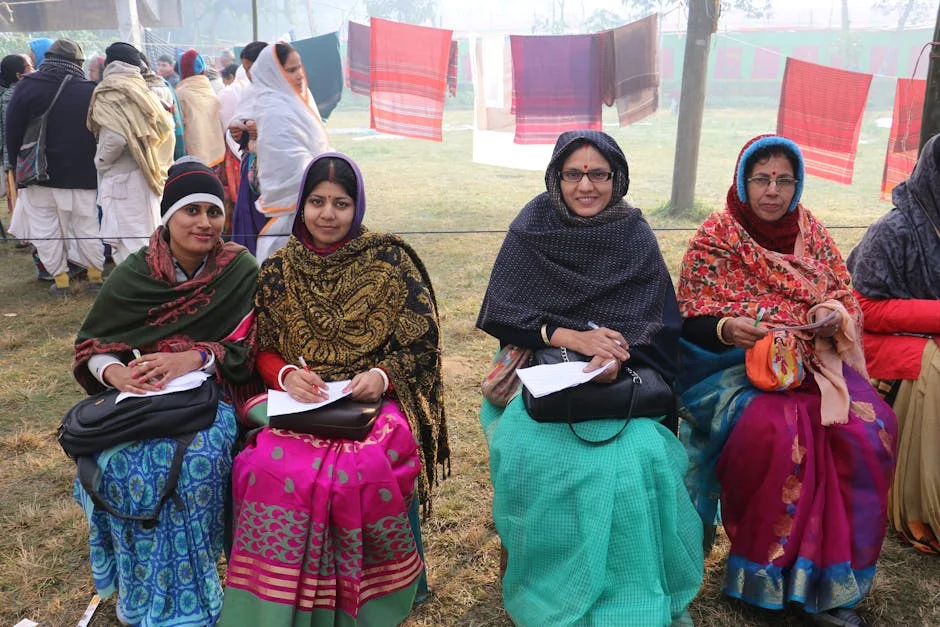
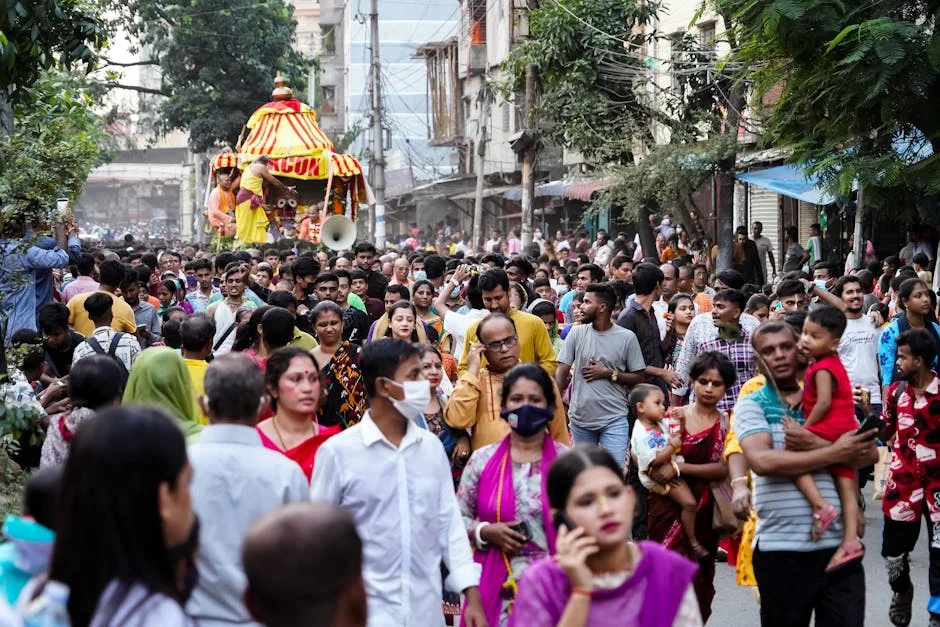
The Bharatiya Janata Party has fundamentally altered the political landscape of West Bengal, ending decades of dominance by the Trinamool Congress and the Left Front. This shift is not merely a statistic in New Delhi but a tangible change affecting the daily routines of millions across the state. Citizens in Kolkata and rural districts are witnessing new administrative priorities and economic strategies. The political realignment promises to reshape local governance and community resources significantly.
Political Shift in West Bengal
The rise of the BJP in West Bengal represents a historic break from the status quo. For over thirty years, the state was defined by the alternating rule of the Left Front and the Trinamool Congress. The BJP's entry into the mainstream required a strategic blend of cultural appeal and economic promises. This strategy has resonated with a growing section of the population seeking change.
The political dynamics in cities like Kolkata and Howrah have become increasingly competitive. Local leaders have adapted their messaging to address specific community needs. The BJP has focused on infrastructure development and cultural identity as key pillars of its campaign. This approach has helped the party penetrate traditional strongholds of its rivals.
Community response to this shift has been mixed but increasingly engaged. Voters are no longer taking their local representatives for granted. The competition has forced all major parties to sharpen their policy proposals. This heightened scrutiny benefits the electorate by demanding greater accountability from leaders.
Impact on Local Economy
Economic policy in West Bengal is undergoing a significant review under the new political climate. The BJP has emphasized industrial growth and ease of doing business as primary objectives. This focus aims to attract investment from sectors such as manufacturing and technology. Local businesses are watching these developments closely for potential opportunities.
Small and medium enterprises in districts like Nadia and Hooghly are particularly interested in these changes. These businesses often rely on state-level incentives and infrastructure support. The promise of streamlined bureaucratic processes could reduce operational costs for these firms. This could lead to job creation and increased local income levels.
The agricultural sector also faces new dynamics with the political shift. Farmers in West Bengal have long been a key voting bloc for the Trinamool Congress. The BJP has introduced policies aimed at improving market access and price stability for crops. These measures aim to address long-standing grievances within the rural community.
Infrastructure and Urban Development
Urban infrastructure projects are a central part of the BJP's agenda in West Bengal. The party has prioritized the completion of pending road and bridge projects in Kolkata. These improvements aim to reduce traffic congestion and improve connectivity for daily commuters. Residents of the capital city are eager to see tangible results from these efforts.
Public transport systems are also under review for potential expansion and modernization. The Metro Rail network in Kolkata has been a model for other Indian cities. Further extensions and integration with bus services could enhance mobility for millions. This infrastructure upgrade is crucial for the economic vitality of the region.
Social and Community Dynamics
Social cohesion in West Bengal is being tested by the changing political landscape. The state has a diverse population with distinct cultural and linguistic identities. Political parties are leveraging these identities to build broader coalitions. This has led to increased community engagement and dialogue on social issues.
Education and healthcare are key areas of focus for the new political administration. The BJP has promised to upgrade schools and hospitals across the state. These improvements aim to address long-standing deficiencies in public services. Families in both urban and rural areas are hopeful for better access to quality care.
Community leaders are playing a crucial role in bridging the gap between the government and citizens. Local panchayats and municipal bodies are becoming more active in decision-making. This decentralization of power allows for more tailored solutions to local problems. It also empowers citizens to have a greater say in their immediate environment.
Challenges and Opportunities
The transition of power in West Bengal brings both challenges and opportunities. Ensuring smooth administrative handover is a critical task for the new leadership. Bureaucratic efficiency will be tested as new policies are implemented across the state. The ability to deliver on promises will determine public satisfaction.
Regional disparities remain a significant challenge for the new administration. While Kolkata sees rapid development, some rural areas lag behind. Addressing these imbalances requires targeted investment and effective governance. The BJP must balance growth in urban centers with development in rural districts.
Political stability is another key factor for the state's progress. A strong legislative majority can facilitate faster decision-making and policy implementation. However, coalition dynamics can also lead to compromises and delays. The political maturity of the leadership will be crucial in navigating these complexities.
Future Outlook for West Bengal
The future of West Bengal depends on the effective implementation of new policies. The BJP's ability to deliver on its economic and social promises will be closely watched. Citizens are eager to see tangible improvements in their daily lives. This includes better infrastructure, job opportunities, and public services.
The political landscape in West Bengal is likely to remain dynamic in the coming years. New parties and leaders may emerge to challenge the current dominance. This competition can drive innovation and responsiveness in governance. It also ensures that the voice of the citizen remains central to political discourse.
International and national trends will also influence the state's development. Global economic shifts and national policy changes can impact local industries and investments. West Bengal's strategic location and cultural significance make it a key player in India's growth. The state's progress will have ripple effects across the region and the country.
Community Response and Engagement
Community engagement is increasing as citizens seek to influence local governance. Town hall meetings and public consultations are becoming more common. These platforms allow residents to voice their concerns and suggestions directly to leaders. This active participation helps to build trust and transparency in the political process.
Local media and social networks are playing a vital role in keeping citizens informed. News coverage and social media discussions provide real-time updates on political developments. This information flow helps voters make informed decisions during elections. It also holds leaders accountable for their actions and promises.
Civil society organizations are also mobilizing to address specific community needs. These groups focus on issues such as education, healthcare, and environmental sustainability. Their advocacy efforts complement government initiatives and fill gaps in service delivery. This collaborative approach enhances the overall quality of life for residents.
Economic Indicators and Growth
Economic indicators in West Bengal are showing signs of gradual improvement. Industrial output and service sector growth are key metrics to monitor. The state's GDP contribution to the national economy is expected to rise with new investments. This growth can lead to increased tax revenues for further development projects.
Employment generation is a critical goal for the new administration. Sectors such as IT, pharmaceuticals, and textiles are expanding in the state. These industries offer diverse job opportunities for the skilled and semi-skilled workforce. Training programs and skill development initiatives are being launched to enhance employability.
Foreign direct investment in West Bengal is also on the rise. The state's strategic location and improved infrastructure make it attractive to global companies. These investments bring in capital, technology, and management expertise. This can boost local industries and integrate them into global supply chains.
The next general election in West Bengal will be a critical test of the BJP's performance. Voters will evaluate the administration's achievements and shortcomings based on their daily experiences. The outcome will determine the political direction of the state for the next five years. Citizens should watch for policy announcements and infrastructure progress in the coming months.
See Also
- Iran Warns of Retaliation Against US Following Khamenei’s Assassination Threat
- Pakistan's Batting Woes Exposed in Mirpur Test Opener
West Bengal's strategic location and cultural significance make it a key player in India's growth. These platforms allow residents to voice their concerns and suggestions directly to leaders.
What is the latest news about bjp surges in west bengal daily life and local economy shift?
Why does this matter for sports?
What are the key facts about bjp surges in west bengal daily life and local economy shift?