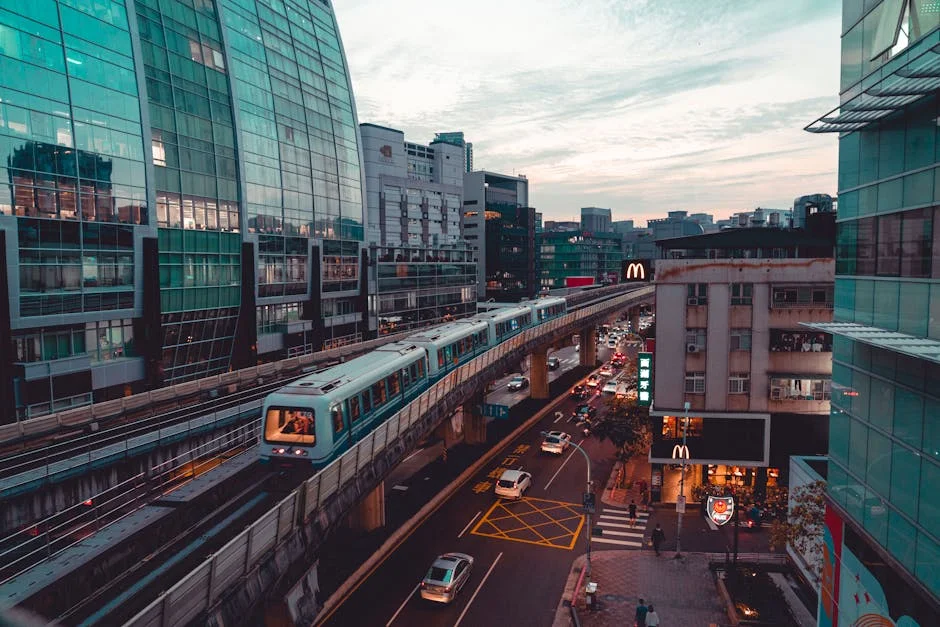
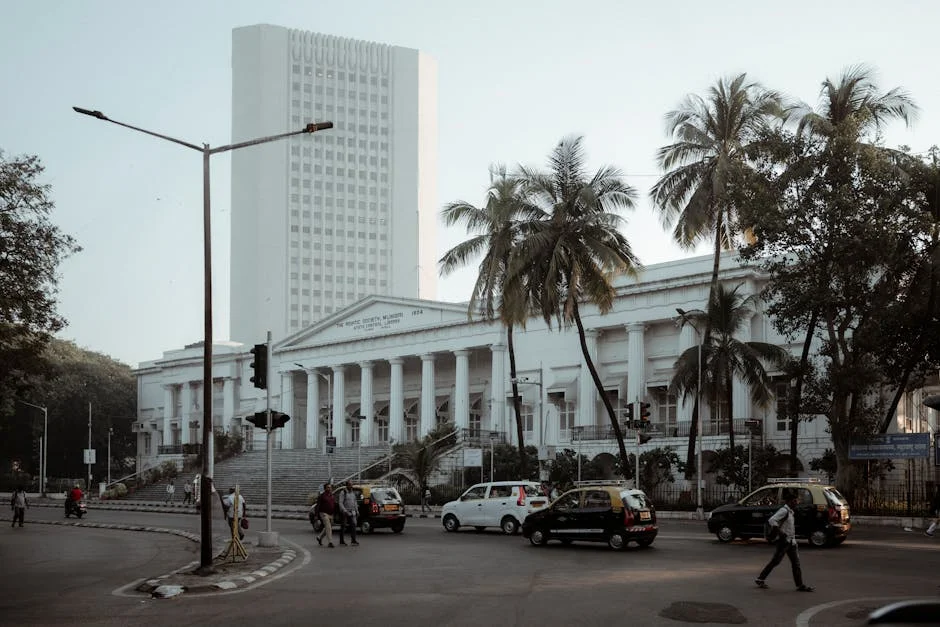
The Delhi government has issued a fresh work-from-home advisory to combat rising fuel costs, simultaneously instructing the Delhi Metro Rail Corporation and the Delhi Transport Corporation to expand services. This coordinated effort aims to reduce the daily burn rate of petrol and diesel across the National Capital Region. Residents must now adjust their daily routines as public transport networks undergo immediate operational shifts.
These measures arrive at a critical juncture for the city’s economy. Fuel prices have remained stubbornly high, squeezing household budgets and increasing operational costs for businesses. The administration hopes that by shifting the burden from private vehicles to mass transit, the average citizen will see tangible savings. However, the success of this strategy depends entirely on the reliability and capacity of the enhanced transport links.
Delhi Metro Increases Daily Trips

The Delhi Metro Rail Corporation (DMRC) has announced a significant expansion in its service frequency. The operator will run 24 extra trips daily across key corridors to accommodate the influx of commuters. This increase is designed to reduce crowding on existing trains and provide more options for those avoiding private vehicles. The additional trips will primarily target peak hours, ensuring that the most pressured sections of the network can handle the surge.
Commuters on the Red and Yellow lines, which serve as the primary arteries of the capital, will notice the change immediately. The DMRC has optimized train schedules to minimize gaps between arrivals. This strategic adjustment aims to make the metro a more attractive alternative to driving, especially for those living in the outer districts. The corporation is also monitoring passenger flow data in real-time to adjust frequencies as needed.
For many residents, this means shorter wait times at stations. The reliability of the metro system is crucial for the success of the austerity measures. If the trains run on time and are not overly crowded, more people are likely to leave their cars at home. The DMRC has also increased the number of trains on the Blue Line, connecting the western suburbs to the central business district. This expansion directly impacts the daily commute for thousands of office workers.
DTC Enhances Bus Connectivity
The Delhi Transport Corporation (DTC) is also stepping up its game to complement the metro’s efforts. The state-owned bus operator plans to increase connectivity across the city. This involves adding more buses to popular routes and extending operating hours in select areas. The goal is to create a seamless network that allows passengers to switch between buses and metros with minimal hassle. Improved last-mile connectivity is a key focus of this initiative.
Bus services are often the backbone of public transport in Delhi, reaching areas where the metro does not. By increasing the number of buses, the DTC aims to capture the commuters who rely on surface transport. This is particularly important for residents in neighborhoods like Rohini, Dwarka, and Noida Extension. The corporation has also introduced express buses on certain corridors to reduce travel time for long-distance commuters. These express services skip smaller stops to provide a faster option for those traveling to key employment hubs.
The integration of bus and metro services is critical for the overall effectiveness of the plan. The DTC is working closely with the DMRC to ensure that bus schedules align with metro arrivals. This synchronization reduces the waiting time for passengers transferring between modes of transport. The administration believes that a well-coordinated public transport system can significantly reduce the number of private vehicles on the road. This reduction in traffic congestion will further lower fuel consumption and improve air quality.
Work From Home Advisory Details
The work-from-home advisory is a central component of the Delhi government’s fuel austerity strategy. Employers are encouraged to allow their staff to work remotely at least two days a week. This measure aims to reduce the daily influx of commuters into the central business districts. The advisory is not mandatory for all sectors, but it is strongly recommended for offices and corporate entities. The government hopes that this flexibility will lead to a noticeable drop in traffic volume during peak hours.
For employees, this means more flexibility in their daily schedules. However, it also requires a certain level of discipline and coordination between employers and staff. Companies are expected to communicate clearly with their workforce about the new arrangements. The advisory also encourages hybrid work models, where employees split their time between the office and home. This approach can help maintain productivity while reducing the need for daily commutes. The government has set up a task force to monitor the implementation of the advisory across different sectors.
The impact of the work-from-home advisory extends beyond just fuel savings. It also affects the local economy, particularly in the retail and food service sectors. With fewer people in the office areas, there may be a slight dip in footfall for cafes and shops near business hubs. Conversely, residential neighborhoods may see an increase in local spending as people spend more time at home. This shift in consumption patterns could have long-term implications for urban planning and infrastructure development in Delhi.
Impact on Daily Life and Local Economy
The direct effect of these measures on citizens is a change in daily routines. Commuters will need to plan their journeys more carefully, taking into account the new bus and metro schedules. For those who adopt the work-from-home option, the home environment becomes a secondary office, requiring adjustments to workspace and technology. The local economy will also feel the ripple effects, with changes in demand for goods and services in different parts of the city. Small businesses in commercial areas may need to adapt to the reduced foot traffic, while residential areas might see a boost in local commerce.
Fuel savings are the primary benefit for households. By using public transport or working from home, families can reduce their monthly expenditure on petrol and diesel. This financial relief is significant for middle-class and lower-income groups who spend a substantial portion of their income on transport. However, the cost of living in Delhi remains high, and these savings may only partially offset other expenses. The government is monitoring the economic impact closely to ensure that the austerity measures do not disproportionately burden any particular group.
The social impact of these changes is also noteworthy. Reduced traffic congestion can lead to less stress and fatigue for commuters. There is also the potential for improved air quality, which is a major concern for Delhi residents. Fewer vehicles on the road mean lower emissions of pollutants such as particulate matter and nitrogen oxides. This environmental benefit could have long-term health advantages for the city’s population. The administration is promoting these health and environmental gains as part of the public outreach campaign.
Community Response and Adaptation
The response from the Delhi community has been mixed but generally positive. Many commuters have welcomed the increased frequency of metro and bus services, citing the convenience and cost-effectiveness. However, some residents have expressed concerns about the reliability of the new schedules, particularly during the initial phase of implementation. There is also a degree of skepticism about the long-term sustainability of the work-from-home advisory, with some fearing that it might become a permanent fixture that disrupts office culture. Community groups are actively engaging with local authorities to provide feedback and suggest improvements.
Local businesses are adapting to the changing dynamics. Shops and cafes in commercial areas are offering promotions to attract the remaining office-goers, while residential neighborhoods are seeing an increase in demand for home delivery services. The gig economy, particularly for delivery personnel, is experiencing a boost as more people order food and groceries from home. This shift highlights the resilience and adaptability of the Delhi economy in the face of changing consumer behavior. The government is encouraging businesses to innovate and find new ways to engage with customers in this new landscape.
Community engagement is crucial for the success of these austerity measures. The Delhi government has launched a public awareness campaign to inform residents about the benefits of using public transport and working from home. This campaign includes social media posts, local radio announcements, and community meetings. The goal is to create a sense of collective effort and shared responsibility. By involving the community in the process, the administration hopes to foster a culture of sustainability and efficiency that will endure beyond the immediate fuel crisis. The feedback from these engagements will be used to refine and adjust the measures as needed.
What to Watch Next
The coming weeks will be critical in determining the success of Delhi’s fuel austerity measures. The Delhi government plans to release a preliminary report on the impact of the work-from-home advisory and the increased public transport services. This report will include data on fuel consumption, traffic volume, and passenger numbers. Stakeholders should watch for any adjustments to the schedules or policies based on this initial data. The administration may introduce further incentives or penalties to encourage compliance and maximize the benefits of the initiative.
Residents should also keep an eye on the fuel prices in the National Capital Region. Any fluctuations in global oil prices or changes in tax structures could affect the cost of petrol and diesel, influencing the effectiveness of the austerity measures. The Delhi government is in constant dialogue with the Union Ministry of Petroleum and Natural Gas to coordinate strategies. This collaboration is essential for a holistic approach to managing the fuel crisis. The outcome of these discussions will likely shape the next phase of the city’s transport and economic policies.
Long-term, the success of these measures could lead to permanent changes in how Delhi manages its transport infrastructure and urban planning. If the reduced traffic and fuel consumption prove sustainable, the city might invest more in public transport and cycling infrastructure. This could reshape the urban landscape, making Delhi more livable and environmentally friendly. The coming months will provide valuable insights into the potential for such transformations. Citizens should remain engaged and informed, as their participation is key to the evolution of Delhi’s urban ecosystem.
See Also
- Hindus and Muslims Unite to Celebrate Holi at UP Shrine: A Show of Solidarity
- Hundreds March in Shivamogga Demanding High Court Bench for Justice
There is also the potential for improved air quality, which is a major concern for Delhi residents. Impact on Daily Life and Local Economy The direct effect of these measures on citizens is a change in daily routines.
What is the latest news about delhi forces commuters to adapt as metro and dtc launch austerity push?
Why does this matter for education?
What are the key facts about delhi forces commuters to adapt as metro and dtc launch austerity push?