The India Meteorological Department has issued a stark warning for residents of Himachal Pradesh as temperatures are set to surge towards 40°C following a prolonged dry spell expected to begin on May 18. This forecast marks a significant departure from the region's typically mild spring weather, threatening daily life and agricultural output across the Himalayan state. Citizens in hill stations and valley towns alike must prepare for intensified heat and diminishing water reserves.
Imminent Temperature Surge in the Hills
The India Meteorological Department has confirmed that the dry spell will intensify heat conditions across the state. Forecasters predict that maximum temperatures in several districts will touch 40°C by mid-May. This rise is not merely a statistical anomaly but a tangible threat to the comfort and health of the population. Residents in urban centers like Shimla and Dharamshala will feel the burn as the usual evening chill fades away.
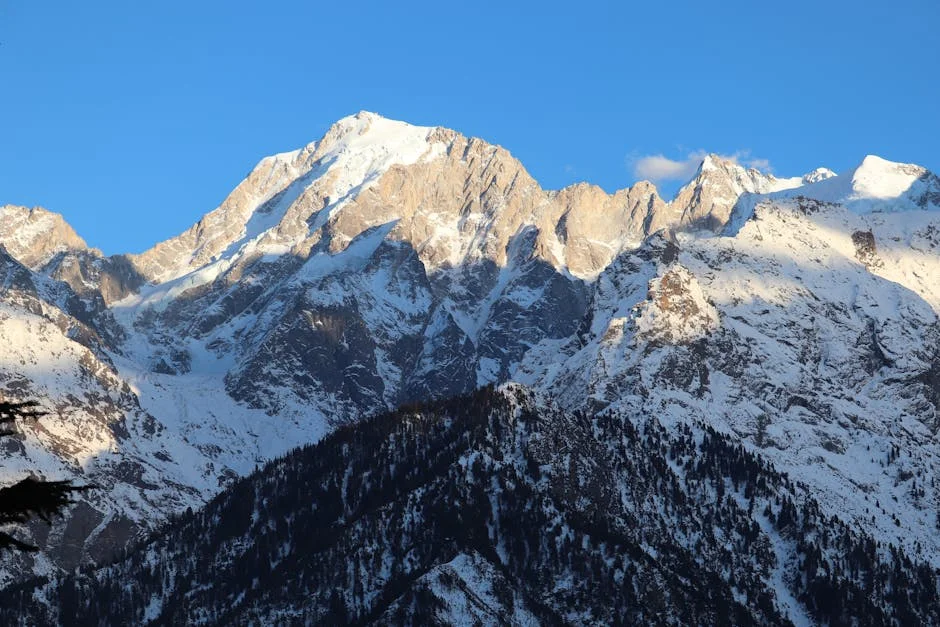
Local weather stations have already recorded a steady climb in daytime highs over the past week. The shift from pleasant breezes to stifling heat has caught many unprepared. Hotels and households are increasing their reliance on air conditioning and ceiling fans. This sudden change disrupts the traditional rhythm of life in the hills, where open windows and light layers have long sufficed.
Impact on Daily Life in Urban Centers
Shimla, the summer capital, is facing immediate pressure as the mercury rises. The city’s infrastructure, often designed for cooler temperatures, is struggling to cope with the heat. Traffic congestion worsens as commuters seek refuge in air-conditioned vehicles and cafes. The power grid experiences higher loads, leading to occasional fluctuations in supply during peak hours.
Residents are adapting their daily routines to avoid the harshest part of the day. Schools and offices are extending lunch breaks to allow staff and students to return home or stay indoors. Outdoor activities, a staple of the hill station lifestyle, are being pushed to early mornings or late evenings. This shift affects local businesses that rely on foot traffic during afternoon hours.
Health Concerns for Vulnerable Populations
The elderly and young children are particularly vulnerable to the sudden heatwave. Local hospitals in Shimla and Mandi have reported an uptick in cases of heat exhaustion and dehydration. Doctors are advising residents to stay hydrated and avoid direct sun exposure between 11 AM and 3 PM. The lack of consistent rainfall exacerbates these health risks, making the air feel heavier and more oppressive.
Community health centers are distributing information sheets to local wards. Volunteers are checking on elderly residents living in older housing stock with limited ventilation. The India Meteorological Department has urged local authorities to set up cooling centers in key districts. These measures aim to reduce the strain on the healthcare system before the peak of the dry spell hits.
Agricultural Stress in the Valleys
Farmers in the lower valleys are watching the sky with growing anxiety. The delay in monsoon rains threatens the sowing schedule for summer crops. Maize and potato fields require consistent moisture to thrive, and the forecasted dry spell could stunt growth. Irrigation channels, which rely on snowmelt, are beginning to show signs of reduced flow.
The India Meteorological Department’s forecast has prompted local agricultural offices to issue advisories. Farmers are encouraged to optimize water usage and consider drought-resistant crop varieties for future seasons. The cost of irrigation is rising as diesel and electricity prices fluctuate. Smallholder farmers, who make up a significant portion of the state’s agricultural workforce, are feeling the financial pinch.
Water management has become a critical issue for rural communities. Wells are drying up faster than expected, forcing villagers to travel longer distances for drinking water. Women and children, who often bear the burden of fetching water, are spending more hours each day on this task. This shift impacts time available for education and income-generating activities.
Tourism Industry Faces Early Challenges
The tourism sector, a major economic driver for Himachal Pradesh, is bracing for a shift in visitor patterns. Many tourists expect cool retreats from the plains, and the 40°C heat may deter some from traveling. Hotels in popular destinations like Manali and Kullu are seeing changes in booking trends. Some travelers are opting for higher altitude areas where temperatures remain slightly lower.
Local guides and transport operators are adjusting their schedules to accommodate the heat. Morning tours are becoming more popular as afternoon excursions become less comfortable. The hospitality industry is investing in better cooling systems to retain customers. However, the initial cost of upgrading infrastructure is a challenge for smaller guest houses and homestays.
The India Meteorological Department’s warning has influenced travel agencies to update their itineraries. They are advising clients to pack for warmer weather and to schedule outdoor activities during cooler parts of the day. This proactive approach helps manage visitor expectations and improves overall satisfaction. The sector remains resilient, but the heatwave tests its adaptability.
Water Scarcity and Infrastructure Strain
Water scarcity is the most pressing concern for communities in Himachal Pradesh. The dry spell reduces the flow of rivers and streams that feed into local reservoirs. Municipal water supplies are being monitored closely to prevent rationing. In some areas, tankers are already being deployed to supplement household supplies.
The state government has instructed local municipalities to minimize water wastage. Leaks in the distribution network are being repaired urgently to conserve resources. Residents are encouraged to use water-saving devices and to adopt habits that reduce consumption. Public awareness campaigns are highlighting the importance of every drop during this critical period.
Infrastructure designed for cooler climates is under stress. Paved roads are softening in the heat, leading to minor surface damage. Power lines are expanding and contracting with temperature changes, increasing the risk of faults. Maintenance crews are working overtime to keep essential services running smoothly despite the environmental pressure.
Community Response and Local Initiatives
Communities are mobilizing to tackle the challenges posed by the heatwave. Neighborhood associations are organizing water-sharing arrangements to ensure no household goes dry. Local leaders are coordinating with municipal bodies to address grievances and distribute resources fairly. This grassroots effort strengthens social cohesion and enhances resilience.
Schools and community centers are hosting workshops on heat management. Residents are learning simple techniques to keep homes cool without excessive energy use. Planting more trees and creating green spaces are being promoted as long-term solutions. These initiatives reflect a growing awareness of climate variability and its impact on daily life.
The India Meteorological Department continues to provide regular updates to keep the public informed. Local media outlets are broadcasting weather alerts and tips for staying cool. This flow of information empowers citizens to make informed decisions about their daily activities. The community’s proactive stance is crucial in mitigating the effects of the dry spell.
Looking Ahead: Monitoring the Monsoon Arrival
The focus now shifts to the timing of the monsoon rains, which are expected to break the dry spell. The India Meteorological Department will continue to track weather patterns closely to refine its forecasts. Residents are advised to monitor local news and weather apps for real-time updates. Preparation remains key as the state navigates this transitional period.
Local authorities are planning for potential fluctuations in water supply and power demand. Contingency plans are being reviewed to ensure a swift response to any emerging issues. The coming weeks will be critical in determining the overall impact of the heatwave on the region. Citizens are urged to stay vigilant and adaptive as conditions evolve.
The next major weather event will likely be the arrival of the southwest monsoon, which could bring relief but also new challenges. Farmers are preparing their fields for the incoming rains, hoping for a bountiful harvest. The state’s ability to manage this transition will define the agricultural and economic outlook for the rest of the year. Watch for updated forecasts from the India Meteorological Department in the coming days.
See Also
- Rinku Singh Explained: How His Heroics Define IPL 2026
- Como Shifts Responsibility Focus — What Changes for Local Communities
Public awareness campaigns are highlighting the importance of every drop during this critical period. These initiatives reflect a growing awareness of climate variability and its impact on daily life.
What is the latest news about imd warns himachal temperatures hit 40c dry spell begins may 18?
Why does this matter for entertainment?
What are the key facts about imd warns himachal temperatures hit 40c dry spell begins may 18?