Donald Trump has signaled that the conflict with Iran is far from over, suggesting that two to three additional weeks of military engagement could be necessary to secure American strategic interests. This admission marks a shift from earlier projections of a swift resolution, sending immediate ripples through global markets and regional alliances. The President’s comments, delivered during a press briefing, indicate that the United States is preparing for a prolonged period of uncertainty.
Regional Instability and Daily Life
For citizens in the Middle East, the extension of the conflict means a continuation of daily disruptions that have already begun to wear on local populations. In cities like Tehran and Dubai, the news has triggered immediate reactions among residents who are adjusting to a new normal of heightened alert. The psychological toll of an unpredictable timeline is as significant as the physical changes to the landscape.
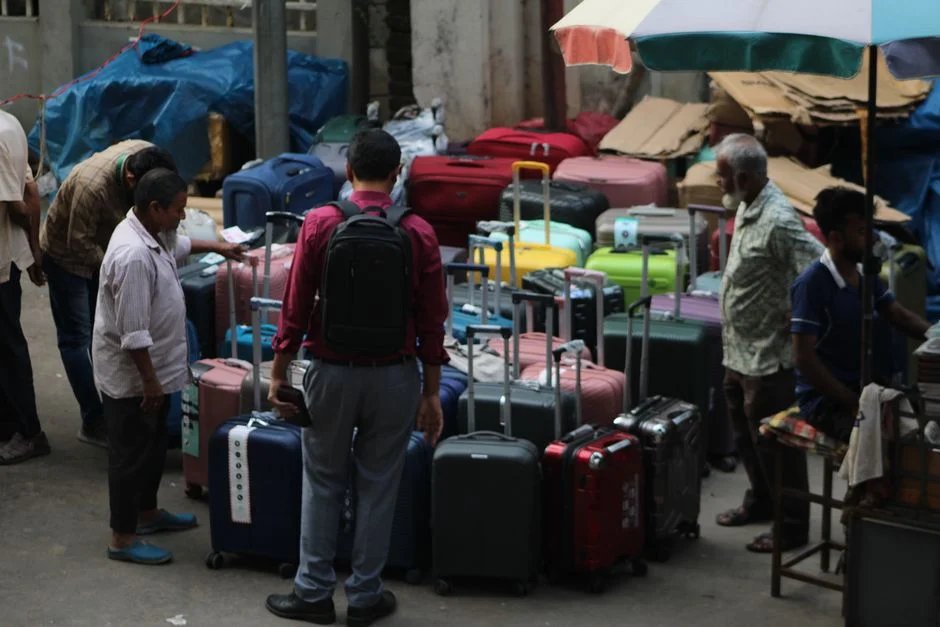
Local businesses are feeling the pressure as supply chains remain fragile. Small shop owners in Dubai report that inventory levels are fluctuating due to delayed shipments from key ports. This instability affects the cost of everyday goods, from fresh produce to electronics, directly impacting household budgets across the region. Families are forced to make difficult choices about spending as prices adjust to the new reality.
Economic Shockwaves
The financial markets reacted swiftly to Trump’s announcement, with oil prices experiencing a noticeable surge. Investors are bracing for volatility as the prospect of a longer conflict suggests potential disruptions to key oil fields and shipping lanes. The Brent crude price saw an uptick, reflecting the market's anxiety about supply constraints in the Persian Gulf.
Impact on Local Economies
Regional economies are particularly vulnerable to these shifts. Countries that rely heavily on oil exports, such as Saudi Arabia and the United Arab Emirates, are monitoring the situation closely. The potential for higher energy costs could slow down economic growth in these nations, affecting job creation and public spending. Businesses are reviewing their strategies to mitigate the risks associated with prolonged geopolitical tension.
In India, a major importer of Middle Eastern oil, the news has prompted a review of energy reserves. The Indian government is likely to adjust its import schedules to secure favorable pricing before further spikes occur. This strategic move is crucial for managing inflation and ensuring energy security for Indian consumers. The ripple effects of the Iran conflict are thus felt far beyond the immediate region.
Political Repercussions
Trump’s statement has also sparked political debate both within the United States and among its allies. Critics argue that the extended timeline indicates a lack of clear endgame, while supporters believe it demonstrates a firm hand in dealing with Iranian ambitions. The political discourse is shaping public opinion and influencing diplomatic relations in the region.
Allies in the Middle East are reassessing their commitments. Countries like Israel and Saudi Arabia are coordinating closely with Washington to ensure that their security interests are protected. This diplomatic activity is intense, with frequent meetings and communications aimed at aligning strategies. The unity of the regional coalition is being tested by the uncertainty of the conflict’s duration.
Humanitarian Concerns
The humanitarian situation in Iran is also coming under scrutiny. As the conflict drags on, the strain on healthcare systems and infrastructure becomes more apparent. Hospitals in Tehran are reporting increased admissions, ranging from battle-related injuries to stress-induced conditions. The World Health Organization is monitoring the situation, urging for sustained aid to support the local population.
Civil society groups are mobilizing to provide relief. Local NGOs are working tirelessly to distribute food, medicine, and shelter to those most affected by the ongoing tensions. The community response is robust, with volunteers stepping up to fill gaps in government services. This grassroots effort highlights the resilience of the Iranian people in the face of adversity.
What to Watch Next
The coming weeks will be critical in determining the trajectory of the conflict. Observers should monitor any new diplomatic overtures from Iran or the United States. The release of key hostages or the signing of interim agreements could signal a shift in momentum. Investors and citizens alike are advised to stay informed and prepare for further developments in this evolving situation.
See Also
- Noida Woman Dies Months After Marriage to Bhopal Lawyer
- Gujarat Titans Surge Ahead as Sudharsan and Gill Open Innings