The Kingdom of Saudi Arabia has introduced stringent new regulations for the 2026 Hajj pilgrimage, imposing heavy financial penalties and long-term entry bans on pilgrims who fail to comply with updated protocols. This move directly impacts millions of Muslims globally, including a significant demographic from India, where the annual pilgrimage is a major economic and spiritual undertaking for families across various states.
Authorities in Riyadh have moved to streamline the holy journey, aiming to reduce congestion and enhance the spiritual experience by enforcing strict adherence to timing, attire, and health requirements. For Indian pilgrims, who constitute one of the largest groups traveling to Mecca each year, these changes signal a potential shift in costs, logistics, and the overall ease of completing the ritual.
Strict Penalties for Non-Compliance
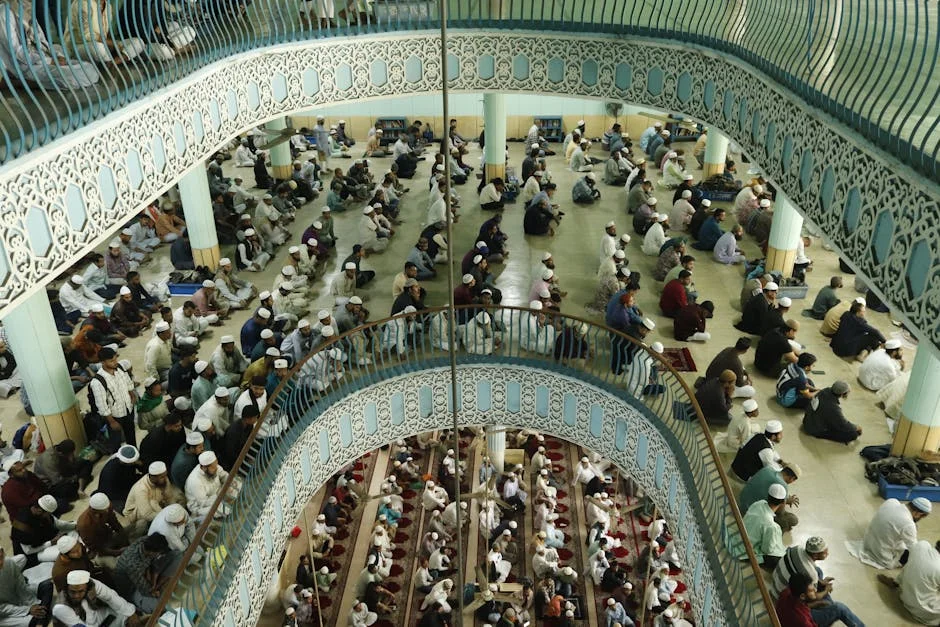
The new regulatory framework introduces a tiered system of punishments designed to deter last-minute changes and disorganization. Pilgrims who violate the updated rules face a fine of up to SAR 20,000, which translates to approximately $5,330 or ₹4.3 lakh. This financial burden is substantial for many middle-class Indian families who often save for years to afford the trip.
Beyond the monetary cost, the social and logistical repercussions are severe. A pilgrim who incurs this fine may also face immediate deportation and a ten-year ban from re-entering the Kingdom. This long-term exclusion affects not just the individual but also their family’s future pilgrimage plans, as many relatives often coordinate their travel years in advance.
The Ministry of Hajj and Umrah in Saudi Arabia has emphasized that these measures are necessary to manage the influx of over two million pilgrims efficiently. The goal is to minimize chaos during peak times, such as the Day of Arafat and the Stoning of the Devil in Mina. By enforcing strict compliance, the Kingdom hopes to create a more orderly environment that respects the sanctity of the rituals.
Impact on Indian Pilgrims and Local Economies
India is one of the top contributors to the annual Hajj quota, with thousands of pilgrims departing from hubs like Hyderabad, Delhi, and Mumbai. The new rules have sparked immediate concern among travel agencies and local communities in these cities. Families in states like Andhra Pradesh and Telangana, where the pilgrimage is deeply ingrained in cultural identity, are already reassessing their budgets and timelines.
The financial implication of the SAR 20,000 fine adds a layer of anxiety for Indian travelers. For many, the pilgrimage is not just a religious duty but a significant investment. The fear of a ten-year ban means that a single mistake, such as missing a bus or arriving late to a specific station, could derail plans for an entire decade. This uncertainty is causing shifts in how families plan their savings and insurance coverage.
Local economies in Indian cities that serve as departure points are also feeling the ripple effects. Travel agents in Hyderabad are reporting increased inquiries about the new rules, with many clients seeking clearer guidelines to avoid penalties. Hotels and service providers catering to pre-Hajj preparations are seeing changes in booking patterns, as travelers become more cautious about their itineraries.
Financial Planning and Budget Adjustments
The introduction of the fine has forced many Indian families to adjust their financial strategies. Savings groups and cooperative societies in rural areas are now factoring in potential penalty costs when calculating the total expense of the pilgrimage. This shift reflects a growing awareness of the financial risks associated with the journey.
Travel agencies are also updating their packages to include more buffer time and clearer instructions for pilgrims. Some agencies are offering additional guidance services to help pilgrims navigate the new rules, thereby adding value to their offerings. This adaptation is crucial for maintaining trust and ensuring that pilgrims are well-prepared for the journey.
Key Changes in Hajj 2026 Protocols
The updated rules for Hajj 2026 focus on several key areas, including timing, attire, and health requirements. Pilgrims are now required to adhere to stricter schedules for moving between the holy sites, such as Makkah, Mina, Arafat, and Muzdalifah. Missing a designated time slot could result in the aforementioned fines and potential deportation.
Attire regulations have also been tightened, with pilgrims expected to maintain the traditional Ihram garments with greater precision. Health requirements include updated vaccination records and possibly new health screening processes to ensure the well-being of the crowd. These measures are part of a broader effort to modernize the pilgrimage experience while preserving its traditional essence.
The Kingdom has also introduced digital tools to help pilgrims track their progress and receive real-time updates. These tools are designed to reduce confusion and help pilgrims stay on schedule. For Indian pilgrims, who may face language barriers or technology gaps, these digital solutions offer both opportunities and challenges.
Community Response and Adaptation
The announcement of the new rules has triggered a wave of discussions within Indian Muslim communities. Community leaders and religious scholars are holding meetings to explain the changes and advise pilgrims on how to prepare. These discussions are crucial for ensuring that pilgrims understand the new requirements and can adjust their plans accordingly.
In cities like Hyderabad, local mosques and community centers are organizing workshops to educate pilgrims about the new rules. These sessions cover topics such as financial planning, health preparations, and the use of digital tools. By providing targeted information, community leaders aim to reduce anxiety and help pilgrims navigate the changes with confidence.
Travel agencies are also playing a key role in the adaptation process. They are updating their marketing materials and customer service protocols to address the new rules. By providing clear and concise information, agencies hope to build trust and ensure that pilgrims feel supported throughout their journey.
Logistical Challenges for Indian Travelers
Indian pilgrims face unique logistical challenges, including long travel times, language barriers, and varying levels of technological familiarity. The new rules add another layer of complexity, requiring pilgrims to be more organized and attentive to details. For many, this means relying heavily on travel agents and community leaders for guidance.
The reliance on travel agents is increasing, as pilgrims seek professional help to navigate the new requirements. Agents are updating their services to include more personalized guidance, such as one-on-one consultations and detailed itineraries. This shift is helping pilgrims feel more confident and prepared for the journey.
Language barriers remain a significant challenge, particularly for older pilgrims who may not be as familiar with digital tools. Travel agencies and community leaders are addressing this by providing multilingual support and simplified guides. These efforts are crucial for ensuring that all pilgrims, regardless of their background, can successfully complete the Hajj.
Looking Ahead: What Pilgrims Must Watch
As the 2026 Hajj season approaches, Indian pilgrims must stay informed about any further updates to the rules. The Ministry of Hajj and Umrah in Saudi Arabia may release additional guidelines in the coming months, so it is essential for pilgrims to monitor official announcements. Travel agencies and community leaders will continue to play a vital role in disseminating this information.
Pilgrims should also focus on preparing their documents, health records, and financial plans well in advance. Early preparation will help reduce the risk of last-minute errors that could lead to fines or bans. By staying organized and informed, Indian pilgrims can ensure that their journey to Mecca is as smooth and spiritually rewarding as possible.
See Also
- Delhi Hotel Fire Exposes Building Violation: 25 Rooms Built on Approval for 6
- India Finalises Rafale Deal With France — What This Means for Defence Forces
What is the latest news about saudi arabia cracks down on hajj 2026 pilgrims with fines and bans?
Why does this matter for crime-law?
What are the key facts about saudi arabia cracks down on hajj 2026 pilgrims with fines and bans?