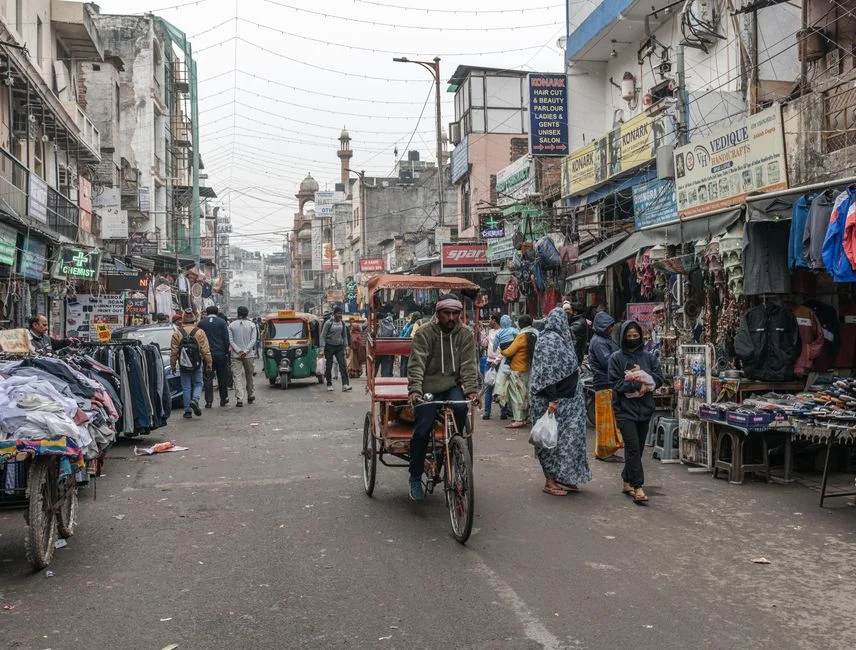
Indian motorists are finally treating fuel loyalty schemes as essential financial tools rather than fleeting perks. The steady climb in petrol prices across major metropolitan areas has shifted consumer behavior overnight. Drivers in cities like Mumbai and Delhi are now scrutinizing every transaction to maximize savings.
The Rising Cost of Commuting
Fuel expenses have become a dominant line item in household budgets. The price of petrol in Mumbai recently crossed the psychological barrier, forcing daily commuters to adjust their spending habits. This surge is not merely a temporary fluctuation but a sustained trend affecting millions.
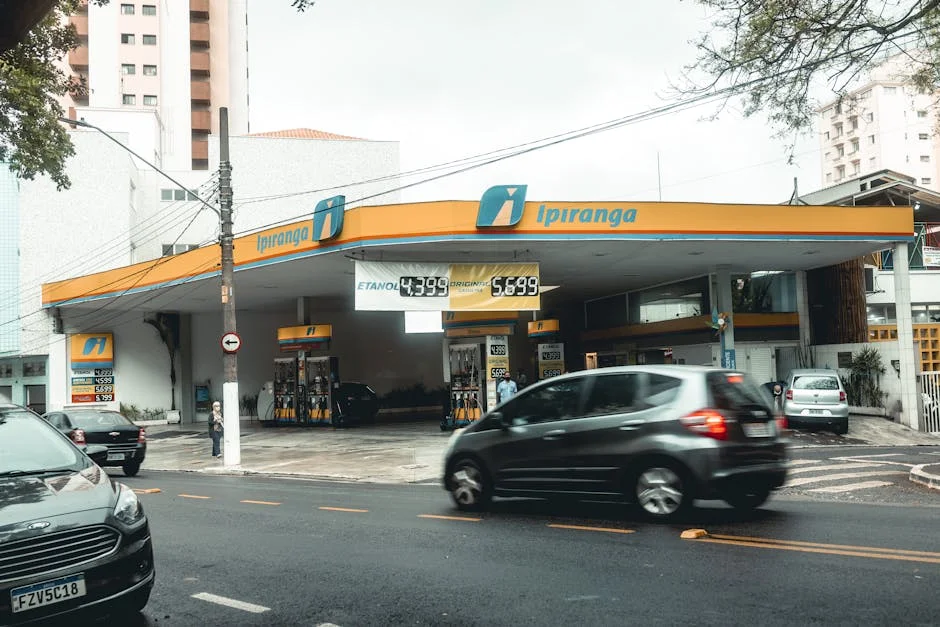
Communities in industrial hubs are feeling the pinch the most. Daily wage earners and small business owners rely heavily on private vehicles for income generation. When the pump price rises, their disposable income shrinks, creating a ripple effect on local economies.
Rewards Programs Gain New Value
Loyalty points are no longer just freebies; they are tangible currency. Major oil marketing companies have responded by enhancing their reward structures. These programs offer discounts, cashbacks, and even merchandise in exchange for consistent patronage.
How Consumers Are Adapting
Shoppers are actively comparing offers from different brands before filling their tanks. The strategy involves choosing the station that offers the best return on investment. This shift has intensified competition among fuel retailers in urban centers.
Local communities are seeing a change in how fuel stations are utilized. Drivers are willing to travel an extra kilometer to a station with a better loyalty program. This behavior has led to increased footfall at strategically located outlets.
Impact on Local Economies
The high cost of petrol affects more than just individual drivers. Small businesses that rely on logistics and transport face higher operational costs. These costs are often passed on to consumers, leading to a broader increase in prices for everyday goods.
Local retailers near fuel stations are benefiting from the increased traffic. Shops selling snacks, beverages, and car accessories see a boost in sales. This creates a micro-economic boost for neighborhoods surrounding major fuel outlets.
However, the overall economic impact remains mixed. While some sectors gain, the burden on lower-income households is significant. The government monitors these trends closely to assess the need for potential subsidies or tax adjustments.
Strategic Choices for Drivers
Drivers are adopting new strategies to mitigate the impact of high prices. Carpooling has seen a resurgence in corporate offices and residential societies. This collective approach reduces the per-person cost of commuting significantly.
- Comparing real-time prices using mobile applications
- Consolidating trips to reduce total distance traveled
- Maximizing loyalty points through strategic refueling
These strategies reflect a broader shift towards financial prudence. Citizens are becoming more aware of how small savings can add up over time. The focus is on long-term financial health rather than immediate convenience.
What to Watch Next
The situation is likely to evolve as global oil markets fluctuate. Consumers should keep an eye on upcoming policy announcements from the Ministry of Petroleum. These decisions could lead to further changes in retail fuel prices.
Companies are expected to introduce new loyalty features to retain customers. The competition will likely drive more innovation in reward structures. Drivers should stay informed to take full advantage of these emerging opportunities.
See Also
- Melbourne Victory vs Newcastle Jets: Clash Could Define Season for IN Teams
- Marco Rose Shines as Bournemouth Exit Sparks Five Job Offers
This creates a micro-economic boost for neighborhoods surrounding major fuel outlets. While some sectors gain, the burden on lower-income households is significant.