The Brazilian government has launched a comprehensive "Memory Education" initiative aimed at reshaping how young people understand their national history and civic identity. This program directly impacts millions of students across the country, introducing new curricula that emphasize local heritage and democratic values. Communities in cities like São Paulo and Rio de Janeiro are already seeing changes in classroom dynamics and student engagement. The initiative seeks to bridge the gap between historical facts and the daily lives of modern citizens.
What Memory Education Means for Students
This educational shift is not merely about memorizing dates and names. It focuses on critical thinking and the personal connection to history. Students are encouraged to explore family stories and local landmarks to understand broader national narratives. This approach makes history feel relevant and immediate rather than distant and abstract. Teachers report that students are more engaged when they can see themselves in the historical record.
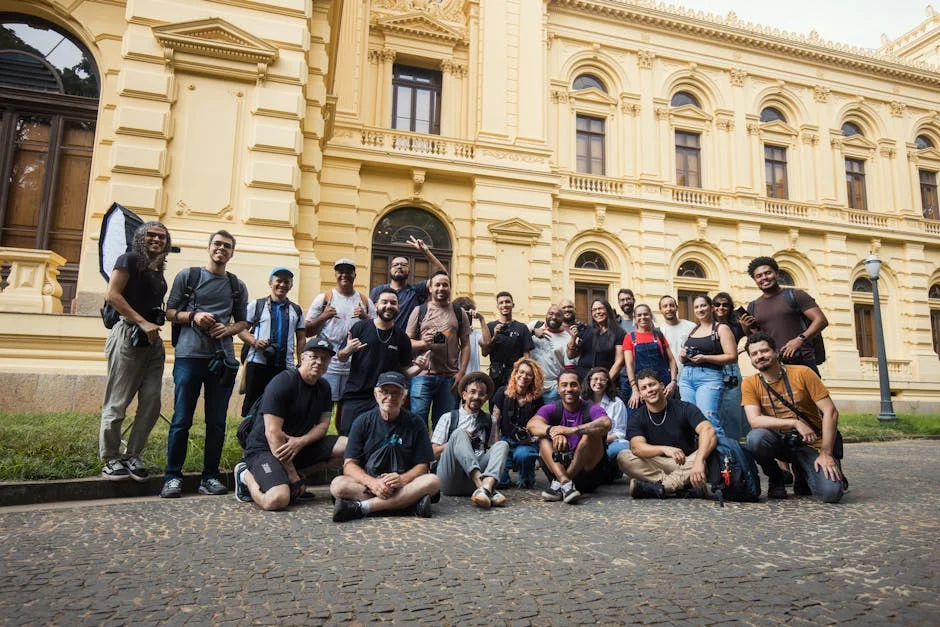
The curriculum includes modules on civil rights, environmental history, and regional economic development. These topics help students connect past events to current social issues. For example, a lesson on urbanization might include the history of favelas in Rio de Janeiro. This contextual learning helps young people understand the roots of contemporary challenges. It also fosters a sense of agency and responsibility in the younger generation.
Local Communities Feel the Impact
Schools in various regions are adapting quickly to incorporate local history into their lessons. In Minas Gerais, for instance, schools are partnering with local museums to provide hands-on learning experiences. This collaboration brings historical artifacts into the classroom and makes learning more tangible. Communities benefit from increased foot traffic to local cultural sites. Local businesses near schools and museums report a slight uptick in visitors during school hours.
Teacher Training and Resource Allocation
Implementing this new curriculum requires significant investment in teacher training. The Ministry of Education has allocated funds for workshops and seminars. Teachers need to be equipped with the tools to facilitate discussions on complex historical topics. This training helps educators move beyond traditional lecture-based methods. It also encourages them to use local resources and community elders as teaching aids.
However, the pace of implementation varies across different regions. Urban schools tend to have more resources and access to experts. Rural schools may face challenges in finding local historical materials. The government is working to address these disparities through targeted grants. These grants help rural schools digitize local archives and create online resources. This ensures that all students, regardless of location, can benefit from the new curriculum.
Why This Story Matters for Families
Parents are noticing a change in how their children discuss history and current events. Children are asking more questions about family heritage and local traditions. This curiosity strengthens family bonds and intergenerational communication. Grandparents are becoming valuable sources of information and wisdom. Families are spending more time exploring local parks, historical sites, and community centers.
The initiative also aims to reduce social fragmentation by highlighting shared histories. By understanding common struggles and triumphs, students from different backgrounds can find common ground. This is particularly important in a diverse country like Brazil. It helps to build a more cohesive society where differences are respected and understood. The long-term goal is to foster a more engaged and informed citizenry.
Economic and Social Consequences
The economic impact of this educational shift is gradual but promising. Increased interest in local history boosts tourism in smaller towns. These towns often rely on cultural heritage to attract visitors. Schools are becoming hubs for community events and historical exhibitions. This increases the visibility and vibrancy of local communities. It also creates new opportunities for local guides and artisans.
Socially, the program aims to reduce prejudice and promote inclusivity. By learning about the contributions of different ethnic and social groups, students develop greater empathy. This can lead to more harmonious school environments and stronger community ties. The program also encourages students to participate in local governance and civic activities. This early engagement helps to build a more robust democratic culture.
What to Watch Next
The next phase of the Memory Education initiative will focus on digital integration. The government plans to launch a national digital archive accessible to all schools. This archive will contain documents, photographs, and oral histories from across the country. Schools are expected to start using these resources by the start of the next academic year. Parents and teachers should look out for updates on how these digital tools will be integrated into daily lessons.
See Also
- Police Slam Mastermind Behind Ebonyi Monarch's Killing - Arms and Charms Recovered
- Vanguard Exposes the Trumpian New World Disorder: What It Means for Africa
What is the latest news about brazils memory education plan transforms classrooms heres how it affects you?
Why does this matter for business-economy?
What are the key facts about brazils memory education plan transforms classrooms heres how it affects you?