UNICEF has released new data revealing that Katsina, Jigawa, and Kano states are driving Nigeria’s worsening out-of-school children crisis. This development places immense pressure on local communities and state governments to act quickly. The report highlights a stark reality for families in northern Nigeria, where education remains a privilege for many. Citizens in these regions face daily challenges as the gap between enrolled and actual attending students widens.
The Scale of the Educational Emergency
The United Nations Children's Fund (UNICEF) report identifies these three northern states as the epicenters of the problem. Millions of children remain without access to primary education, a figure that has grown despite various intervention programs. Katsina State alone accounts for a significant portion of these unenrolled students. The situation in Jigawa and Kano mirrors this trend, creating a regional bottleneck in national development efforts.
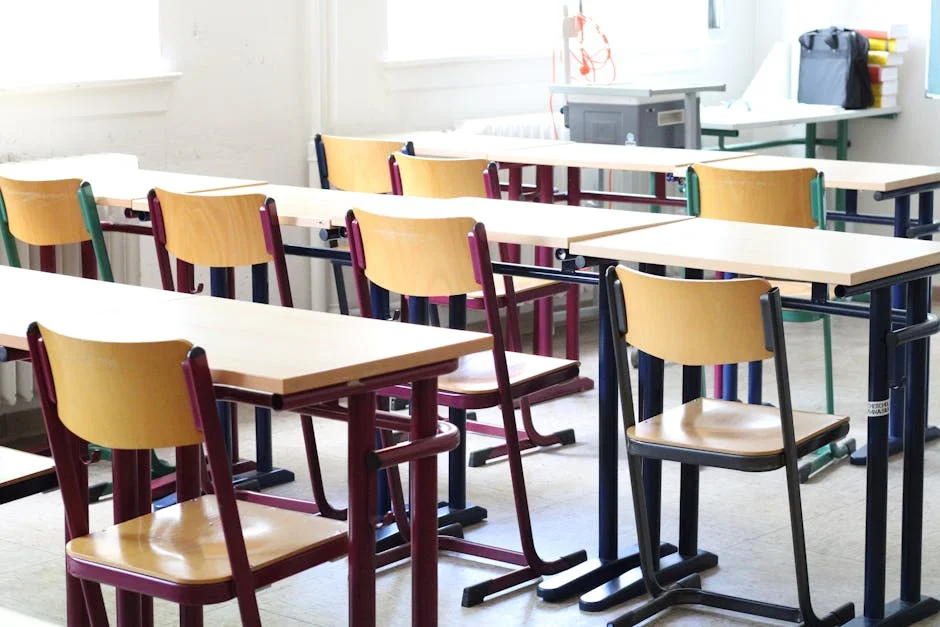
Local educators and parents in these areas are feeling the strain of this statistical reality. Schools are often overcrowded, and resources are stretched thin to accommodate the influx of returning students. The lack of infrastructure in rural districts exacerbates the issue, forcing many children to walk miles to reach a classroom. This physical toll affects attendance rates and overall academic performance across the board.
Community Impact in Katsina and Jigawa
The impact on citizens in Katsina State is profound, affecting both the local economy and social fabric. Families struggle to justify the cost of schooling when immediate economic survival is at stake. Many parents send their children to work in markets or farms, prioritizing short-term income over long-term educational gains. This cycle perpetuates poverty and limits upward mobility for entire communities in the region.
Economic Pressures on Local Families
Economic hardship is a primary driver of the out-of-school crisis in Jigawa State. Parents often cite the high cost of uniforms, books, and hidden fees as barriers to entry. When household income fluctuates due to agricultural cycles or inflation, education is the first expense to be cut. This economic reality forces difficult choices for mothers and fathers in rural villages.
Social norms also play a critical role in keeping girls out of school in these areas. Cultural expectations often prioritize early marriage or domestic chores for young girls compared to their male counterparts. Community leaders in Jigawa are working to change these perceptions, but progress remains slow. The intersection of economics and culture creates a complex challenge for policymakers.
Kano State's Struggle with Enrollment
Kano State, known as the commercial hub of northern Nigeria, faces unique challenges in its education sector. Despite its economic strength, the sheer population density puts pressure on existing school infrastructure. Urban slums in Kano see high numbers of children attending school irregularly due to migration and labor demands. The state government has launched several initiatives to address this, but implementation gaps remain.
The competition for limited school places is fierce in urban centers. Private schools offer quality education but are often unaffordable for the average family. Public schools, while more accessible, suffer from a shortage of trained teachers and basic amenities. This disparity creates a two-tier system that disadvantages children from lower-income backgrounds.
Local businesses in Kano are beginning to feel the effects of this educational gap. A less educated workforce limits productivity and innovation in the local economy. Employers report difficulties in finding skilled entry-level workers, which affects long-term business growth. The connection between education and economic vitality is becoming clearer to local stakeholders.
Government Responses and Policy Gaps
State governments in Katsina, Jigawa, and Kano have introduced various policies to tackle the crisis. These include free primary education schemes and scholarship programs for girls. However, the effectiveness of these measures varies widely across different local government areas. Coordination between state and federal ministries remains a critical area for improvement.
UNICEF emphasizes the need for a multi-sectoral approach to solve this problem. Education cannot be viewed in isolation from health, nutrition, and economic stability. The report calls for increased investment in teacher training and school infrastructure. Without these foundational improvements, enrollment numbers may rise, but retention rates will stagnate.
Citizens are demanding more transparency in how education funds are utilized. Community watch groups in rural areas are monitoring school budgets to ensure money reaches the classroom. This grassroots accountability is putting pressure on local officials to deliver tangible results. The engagement of civil society is crucial for sustaining momentum in this effort.
Looking Ahead: What Citizens Should Watch
The next six months will be critical for assessing the impact of recent policy changes in these three states. Upcoming budget approvals will reveal the financial commitment of state governments to education. Residents should monitor announcements regarding teacher recruitment and infrastructure projects in their local areas. These decisions will directly influence the daily lives of students and parents.
Stakeholders are encouraged to engage with local education boards to voice their concerns. Community feedback is essential for refining strategies that work best for local contexts. As the new academic year approaches, the focus will shift from enrollment numbers to consistent attendance. The true test of success will be how many children remain in school throughout the term.
See Also
- Receitas' Revenue Climbs 1.3% to €2.8 Billion — Impact on India Explored
- Google Secures Pentagon Contracts as Rivals Compete for Military Tech Deals