Tesla has exceeded earnings and revenue forecasts, driven by price increases and strong demand. The electric vehicle giant reported a 25% rise in quarterly profits, reaching $2.3 billion, as it continued to expand its global footprint. The news comes as the company faces growing scrutiny over its pricing strategy and sustainability claims.
Tesla’s Financial Performance
The company’s latest quarterly report revealed a 25% increase in net income, with revenue hitting $25.2 billion. This marks the second consecutive quarter where Tesla has surpassed analyst expectations. The growth was largely attributed to higher vehicle prices and a surge in demand for its Model 3 and Model Y sedans. In India, Tesla’s presence remains limited, but the company has expressed interest in entering the market, with CEO Elon Musk hinting at potential local manufacturing in the near future.
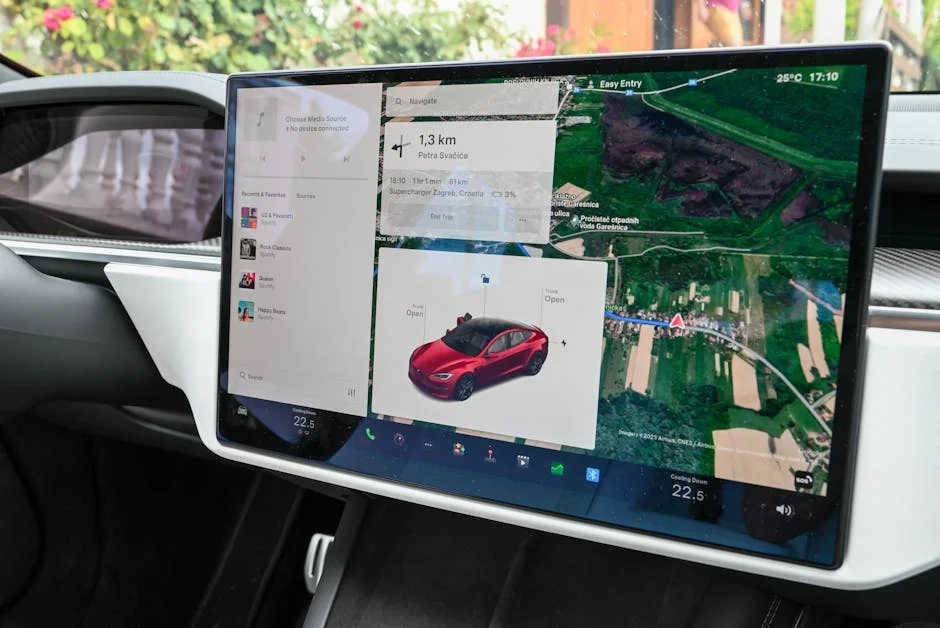
Analysts noted that Tesla’s pricing strategy has been a key driver of profitability. The company raised prices by an average of 12% in the first quarter of 2024, which helped offset rising production costs. However, some critics argue that the price hikes could deter price-sensitive buyers, particularly in emerging markets like India. “While Tesla’s financials are strong, the long-term impact on consumer demand remains uncertain,” said Ravi Sharma, an automotive analyst at Mumbai-based consultancy AutoInsight.
Impact on Local Markets
Although Tesla does not currently operate in India, its global success has influenced local electric vehicle (EV) trends. The Indian government has set a target of 30% EV adoption by 2030, and companies like Tata Motors and Mahindra & Mahindra are capitalising on this shift. Tesla’s price increases have also made its vehicles more expensive for international buyers, including those in the Gulf and Southeast Asian markets, which could indirectly affect India’s EV import landscape.
The rise in Tesla’s profits has also sparked discussions about the broader implications for the automotive industry. In a report released by the Indian Automotive Federation, it was noted that global EV manufacturers are re-evaluating their pricing models in response to inflation and supply chain challenges. “Tesla’s success highlights the need for Indian automakers to innovate and remain competitive,” said Anjali Mehta, a spokesperson for the federation.
Consumer and Industry Reactions
Consumer reactions to Tesla’s price hikes have been mixed. In the US, where the company has a larger customer base, some buyers have expressed frustration over the increased costs. However, others see the price increases as a sign of the company’s strength and long-term vision. “I’m still buying a Tesla because I believe in the brand and its technology,” said David Johnson, a Tesla owner in California.
In India, where EV adoption is still in its early stages, the impact of Tesla’s strategies is less direct. However, the company’s global success has inspired local startups and investors to focus more on electric mobility. “Tesla’s performance shows that there is a viable market for EVs, even if it’s not yet fully developed in India,” said Priya Kapoor, founder of EV startup VoltDrive.
Future Outlook and Regulatory Environment
As Tesla continues to expand, the regulatory environment in key markets will play a crucial role in its future. In the US, the Biden administration has introduced new incentives for EV buyers, which could boost demand for Tesla vehicles. Meanwhile, in Europe, the company is facing increased scrutiny over its environmental claims and data privacy policies.
In India, the government has introduced a range of subsidies and tax breaks to encourage EV adoption. However, the lack of a robust charging infrastructure remains a major challenge. Experts suggest that Tesla’s potential entry into the Indian market could accelerate the development of EV infrastructure, provided the company partners with local stakeholders.
What’s Next for Tesla and the EV Sector
Tesla’s recent performance has set the stage for a new phase in the global EV race. The company is expected to unveil new models and expand its battery production capabilities in the coming months. In India, the focus will be on how local automakers and policymakers respond to the growing influence of global EV leaders.
With the Indian government aiming to boost EV adoption and reduce carbon emissions, the coming months will be critical for both local and international players. Tesla’s strategies, along with those of other global automakers, will shape the future of the EV market in the region. Investors and consumers alike will be watching closely to see how these developments unfold.
See Also
- Taiwan Launches Cultural Initiative to Preserve Portuguese Heritage
- Paulo Ribeiro criticises PSD-Lisboa's unity: Is it becoming more like PCP?