Iran has warned that it is "impossible" to keep the Strait of Hormuz open amid what it calls "flagrant" breaches of the ceasefire, raising fears of a major regional escalation. The statement came as tensions in the Persian Gulf continue to rise, with regional actors and global powers watching closely. The Strait, a critical maritime chokepoint, handles about 20% of global oil supply, and any disruption could have far-reaching consequences for energy markets and global trade.
Iran's Unilateral Threat to Close Strait
The Iranian Foreign Ministry issued a strong statement, accusing external forces of violating the ceasefire agreement. "It is impossible to keep the Hormuz Strait open when the ceasefire is being breached in a flagrant manner," the ministry said. The statement was directed at unspecified actors, but many analysts believe it refers to the United States and its regional allies, including the United Arab Emirates and Saudi Arabia.
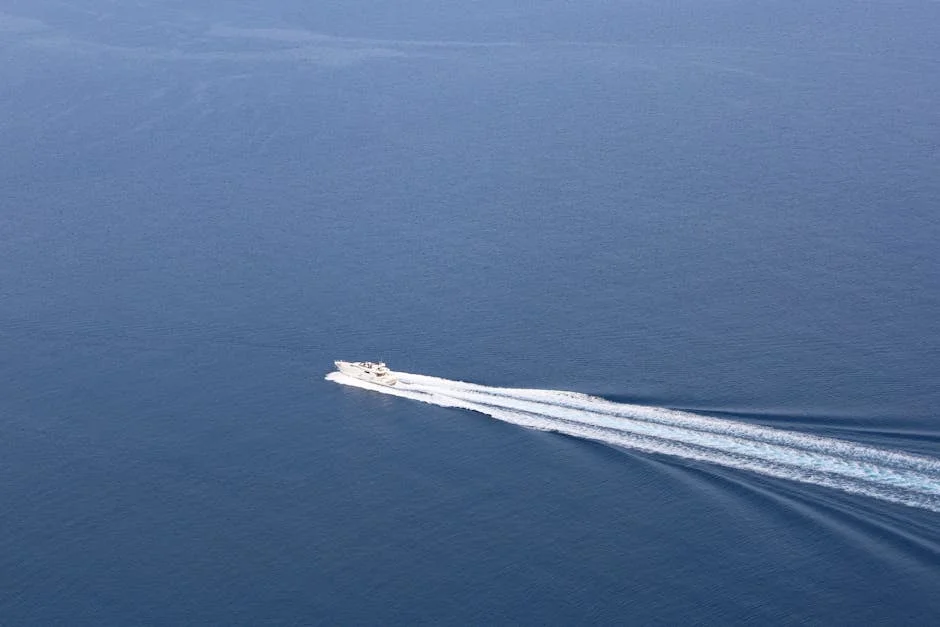
The Strait of Hormuz, located between Iran and Oman, is a vital route for oil tankers. A closure could disrupt global energy supplies and send oil prices soaring. The Indian government has expressed concern, as India relies heavily on oil imports through the region. "Any disruption in the Strait would directly impact India's energy security and inflation," said a senior official from the Ministry of Petroleum.
Impact on Regional Trade and Energy Security
The potential closure of the Strait of Hormuz would have a severe impact on regional trade, particularly for countries like India, which imports over 80% of its oil. The Mumbai-based Indian Institute of Petroleum has warned that a prolonged disruption could push oil prices above $120 per barrel, adding to the country's inflationary pressures. "We are already seeing a rise in fuel prices due to geopolitical tensions," said Dr. Ravi Sharma, an energy economist at the institute.
India's eastern coast, particularly the ports of Vishakhapatnam and Paradip, could see increased traffic if alternative routes are taken. However, these routes are longer and more expensive, adding to the cost of energy and goods. "This would hit consumers and industries hard," said Anjali Mehta, a trade analyst at the Delhi-based Centre for Strategic and International Studies.
Regional Diplomacy and Ceasefire Concerns
The current tensions follow a fragile ceasefire agreement brokered by former US President Donald Trump, which has faced repeated challenges. The agreement, aimed at reducing hostilities between Iran and its regional adversaries, has been criticized for its lack of enforcement mechanisms. "The ceasefire lacks teeth, which is why it's being violated so easily," said Dr. Aisha Khan, a political analyst at the University of Hyderabad.
India has been urging all parties to adhere to the ceasefire, emphasizing the need for dialogue over confrontation. "We are closely monitoring the situation and calling for de-escalation," said a spokesperson for the Ministry of External Affairs. However, the Indian government has also warned that any disruption in the Strait could affect its energy imports and trade routes.
What to Watch Next
Regional powers are expected to hold emergency talks in the coming weeks to address the growing tensions. The United Nations Security Council is also set to discuss the situation, with India and other members pushing for a resolution to prevent further escalation. "The next 30 days will be critical in determining whether the Strait of Hormuz remains open or not," said Dr. Khan.
For Indian citizens, the situation underscores the vulnerability of the country's energy security. With oil prices already on the rise, any further disruption could lead to higher inflation and reduced economic growth. "We must be prepared for the worst," said Dr. Sharma. "The government and private sector need to work together to find alternative energy sources and reduce dependency on the region."
See Also
- Bombeiros de Bragança Demand Government Help as Fuel Costs Soar
- Pune Authorities Probe Hooch Connection After Eight Deaths in 24 Hours
"This would hit consumers and industries hard," said Anjali Mehta, a trade analyst at the Delhi-based Centre for Strategic and International Studies. Regional Diplomacy and Ceasefire Concerns The current tensions follow a fragile ceasefire agreement brokered by former US President Donald Trump, which has faced repeated challenges.
What is the latest news about iran warns of unilateral closure of hormuz strait amid ceasefire violations?
Why does this matter for business-economy?
What are the key facts about iran warns of unilateral closure of hormuz strait amid ceasefire violations?