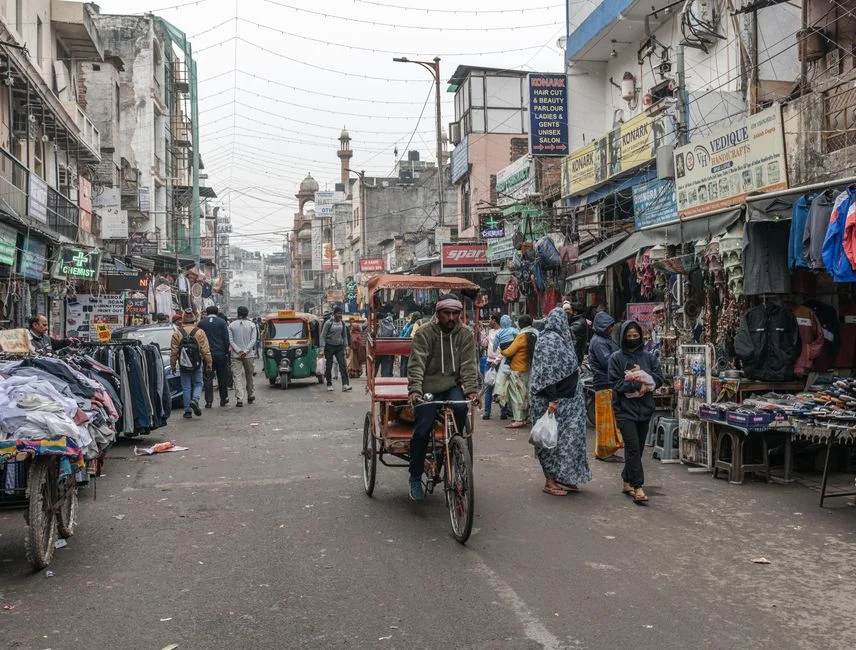
India’s Ministry of Petroleum and Natural Gas has suspended the issuance of new liquefied petroleum gas (LPG) connections, citing heightened risks linked to the ongoing conflict in West Asia. The decision, announced on May 15, comes as regional instability threatens energy supply chains, leaving households and businesses in India scrambling for alternatives. The move has already sparked concerns in cities like Delhi and Mumbai, where LPG is a primary cooking fuel for millions.
Immediate Impact on Daily Life
The suspension has left thousands of households in a lurch, particularly in urban and semi-urban areas where LPG is the main source of cooking fuel. According to the Ministry, over 300 million LPG connections exist across India, with new applications typically processed within a week. Now, the process has been halted indefinitely, with no clear timeline for resumption. In Delhi, residents have reported long queues at distribution centers, with some unable to secure refills for weeks.
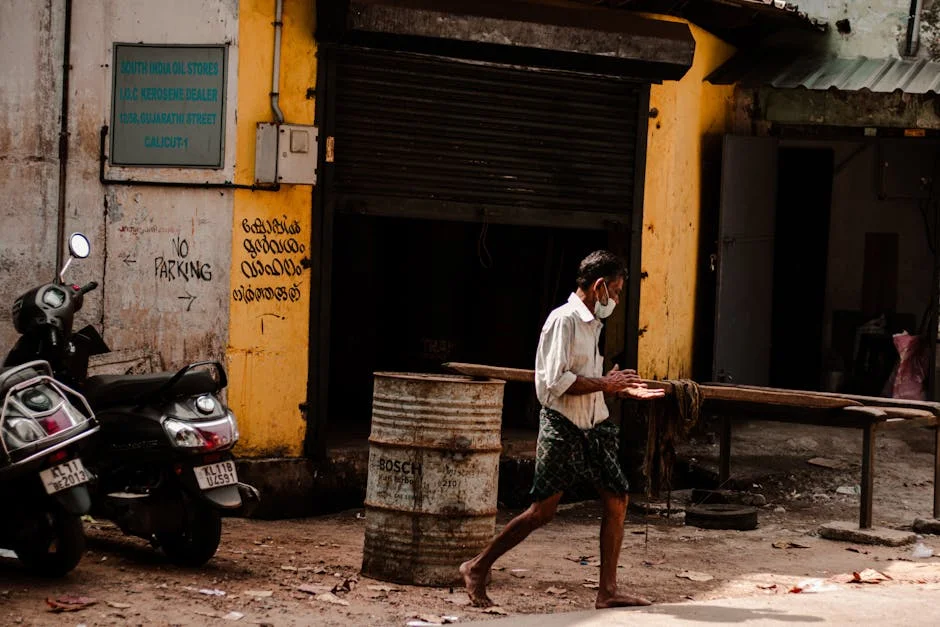
“I’ve been waiting for over a month to get my new LPG connection,” said Ravi Sharma, a resident of East Delhi. “Without it, I can’t cook for my family. We’re forced to use kerosene, which is not safe or efficient.” The shift to alternative fuels has also increased expenses for low-income families, who now spend more on kerosene and gas cylinders. The Indian government has not provided any relief measures for affected households.
Regional Economic Strain
The decision has had a ripple effect on the local economy, particularly in small businesses reliant on LPG for cooking. In Mumbai, street vendors and small eateries have reported a surge in fuel costs, with some forced to raise menu prices. “We’re losing customers because of the price hike,” said Priya Mehta, a street food vendor. “It’s not just about the fuel—it’s about survival.”
The Ministry of Petroleum and Natural Gas has not provided a breakdown of how the suspension affects fuel supply. However, industry experts estimate that the halt could reduce LPG availability by up to 10% in the short term. This has led to fears of a broader energy crisis, particularly in states like Tamil Nadu and Gujarat, where LPG is heavily used in both domestic and commercial sectors.
Community Response and Local Action
Communities across India have responded with a mix of frustration and resilience. In Delhi, local groups have begun distributing free kerosene and gas cylinders to vulnerable families, while others have started petitions demanding government intervention. “This is a crisis that affects the poor the most,” said Anjali Kapoor, a community leader in South Delhi. “We need immediate relief, not just promises.”
Local governments have also stepped in. The Delhi government has announced plans to expand access to subsidized cooking gas for low-income households, though the details remain unclear. In contrast, states like Uttar Pradesh have not issued any official response, leaving residents in limbo.
West Asia Conflict and Supply Chain Vulnerabilities
The suspension is directly linked to the ongoing conflict in West Asia, where key oil and gas suppliers are located. India imports the majority of its LPG from the Middle East, and disruptions in the region have raised fears of supply shortages. The conflict has also led to rising global fuel prices, with India’s LPG prices increasing by 12% in the past month.
“The situation is extremely fragile,” said Dr. Ravi Joshi, an energy analyst at the Indian Institute of Technology. “India’s dependence on West Asian suppliers makes it vulnerable to regional instability. Without a diversified energy strategy, the country will continue to face such challenges.”
What’s Next for LPG Users?
With no official timeline for the resumption of new LPG connections, the situation remains uncertain. The Ministry of Petroleum and Natural Gas has not commented on when the suspension might end, though officials have hinted that it could last for several months. In the meantime, citizens are being advised to apply for subsidies and explore alternative fuel sources.
For now, the burden falls on families and businesses to adapt. As the crisis continues, the focus will remain on how the government responds and whether it can find a long-term solution to India’s energy security challenges. What’s clear is that the conflict in West Asia has far-reaching consequences, and its impact is being felt daily in homes and communities across the country.
See Also
- Schneider Electric Slams Fake Components as Nigeria Battles Rising Electrical Deaths
- TMC Candidates File Nominations for Rajya Sabha: What This Means for West Bengal Politics
What is the latest news about india suspends new lpg connections amid west asia tensions?
Why does this matter for politics-governance?
What are the key facts about india suspends new lpg connections amid west asia tensions?