A 3.4 magnitude earthquake struck Navsari in South Gujarat on Tuesday, with the epicenter located near Vansda. The tremor, reported by the National Centre for Seismology, lasted just a few seconds but sent shockwaves through local communities, prompting immediate responses from authorities and citizens alike.
Immediate Response and Public Reaction
Residents in Navsari and nearby areas described the quake as a sudden jolt that rattled their homes and disrupted daily routines. "It was like a strong gust of wind hit the house," said Ravi Patel, a local shopkeeper in Vansda. "Everyone rushed outside, and we were all in disbelief." The Gujarat State Disaster Management Authority (GSDMA) confirmed the quake and urged calm, stating that no major damage had been reported so far.
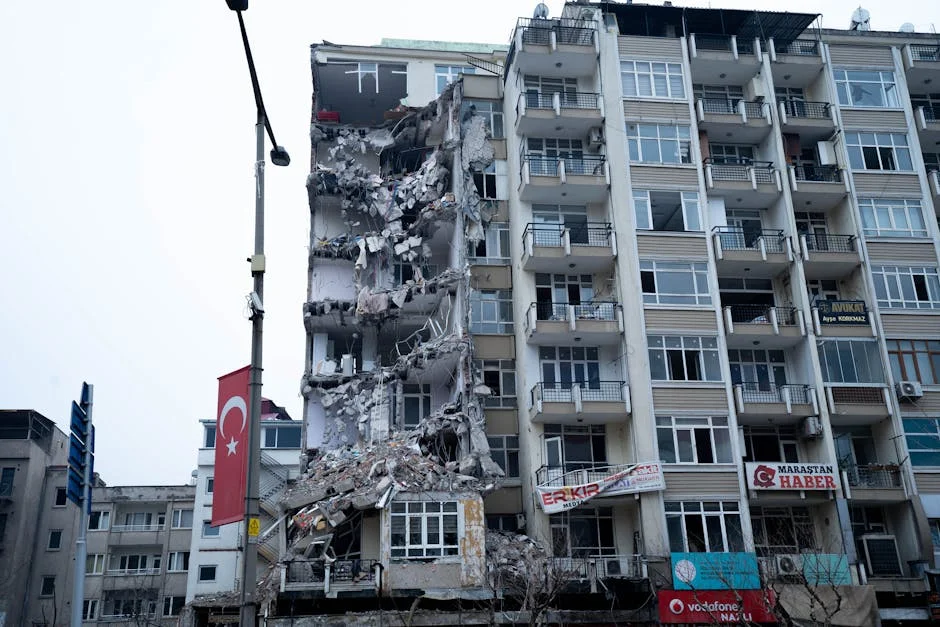
Local authorities conducted quick assessments of buildings and infrastructure. "We have teams on the ground checking for any structural damage," said GSDMA spokesperson Meera Joshi. "So far, there are no reports of injuries or major destruction." Despite the lack of damage, the incident has raised concerns among residents about the region’s seismic vulnerability.
Historical Seismic Activity in South Gujarat
South Gujarat has a history of minor tremors, though major earthquakes are rare. The region lies on the edge of the Indian tectonic plate, making it prone to occasional seismic activity. The 2001 Gujarat earthquake, which measured 7.7 on the Richter scale, was one of the deadliest in the country's history, killing over 20,000 people and destroying thousands of homes.
Experts from the Indian Institute of Technology (IIT) Gandhinagar noted that while the recent quake was small, it serves as a reminder of the region’s seismic risks. "We must remain vigilant," said Dr. Anand Mehta, a seismologist. "Even minor tremors can indicate shifts in the earth's crust, and we need to ensure that our infrastructure and emergency protocols are up to date."
Impact on Daily Life and Local Economy
The quake disrupted daily life in Navsari, with schools and businesses temporarily closing as officials assessed the situation. Local markets and transport systems experienced minor delays, but normal operations resumed within hours. However, some residents expressed concerns about the long-term implications for the region.
Small-scale traders in Vansda reported a slight dip in footfall following the tremor. "People are still talking about it," said Priya Desai, a vendor at a local market. "Some have started asking about earthquake preparedness, which is a positive sign." The local government has announced plans to conduct awareness campaigns to educate residents on safety measures during seismic events.
Community Response and Preparedness Measures
Community leaders in Navsari have called for increased preparedness. "We need to ensure that everyone knows what to do in case of an emergency," said local MLA Vijay Patel. "This includes having emergency kits, knowing evacuation routes, and staying informed." The district administration has also announced a series of drills in the coming weeks to test response systems.
Residents have shown a strong sense of solidarity, with many offering support to those who were shaken by the event. "It’s a small quake, but it reminded us that we are all in this together," said local volunteer Arjun Mehta. "We need to stay prepared for the future."
Looking Ahead: What Comes Next?
While the immediate threat has passed, the incident has prompted officials to review existing disaster management protocols. The GSDMA has set a deadline for the completion of a comprehensive seismic risk assessment report by the end of the month. This report will guide future planning and infrastructure development in the region.
Residents are advised to stay updated through official channels and to participate in upcoming awareness programs. As the region continues to monitor seismic activity, the focus remains on ensuring that communities are equipped to handle any future challenges.
See Also
- Cameroon Separatists Halt Fighting Ahead of Pope's Visit
- Community Mourning: Indian-Origin YouTuber Nancy Grewal Stabbed to Death in Ontario
"We need to ensure that everyone knows what to do in case of an emergency," said local MLA Vijay Patel. "This includes having emergency kits, knowing evacuation routes, and staying informed." The district administration has also announced a series of drills in the coming weeks to test response systems.