Sudan’s ongoing conflict has triggered a severe child hunger crisis, with the UN reporting that over 400,000 children under five are at risk of acute malnutrition in Khartoum alone. The war, which has raged since April 2023, has disrupted food supply chains, destroyed infrastructure, and displaced millions, leaving families unable to access basic necessities.
Escalating Food Shortages in Khartoum
Residents in Khartoum, the capital, describe a stark shift in daily life. Food prices have surged by over 300% since the war began, according to the Sudanese Ministry of Trade. Markets that once stocked staples like rice and flour now offer limited options, often at exorbitant prices. “We used to buy a bag of rice for 100 Sudanese pounds. Now it costs 400,” said Amina Mohamed, a mother of four from the city’s Al-Rawda district.
The conflict has also blocked critical humanitarian corridors. The UN World Food Programme (WFP) has struggled to deliver aid due to fighting near key roads. In June 2024, the WFP announced it had to suspend operations in parts of Khartoum after a convoy was attacked. “Without safe access, we can’t reach the most vulnerable,” said WFP spokesperson Laura Mikkelsen.
Impact on Children and Families
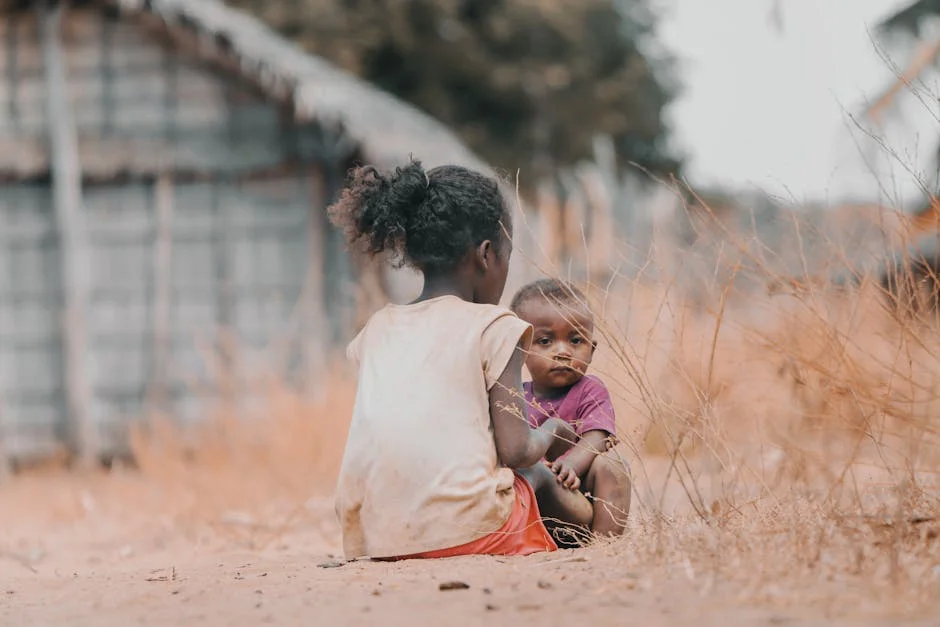
The crisis is hitting children the hardest. The UN Children’s Fund (UNICEF) reports that nearly 40% of children in conflict-affected areas suffer from stunted growth. In Al-Rawda, a local clinic run by Médecins Sans Frontières (MSF) has seen a 50% increase in cases of severe acute malnutrition. “We’re seeing children who are too weak to walk, too weak to speak,” said Dr. Huda Adam, a pediatrician at the clinic.
Families are resorting to desperate measures. Many have sold possessions to buy food, while others are skipping meals to ensure their children eat. “We eat once a day, but the kids get two meals,” said Ahmed Ali, a father of three. “It’s heartbreaking, but what else can we do?”
Humanitarian Response and Challenges
International aid agencies are working to address the crisis, but their efforts are hampered by security concerns and funding gaps. The UN has called for $300 million in emergency aid, but as of July 2024, only 30% has been secured. “We’re running out of time,” said UN humanitarian coordinator for Sudan, Martin Griffiths.
Local NGOs are also stepping in, but their capacity is limited. In Khartoum, the Sudanese Red Crescent has distributed food parcels to 15,000 families, but this is far from enough. “We need more support, more funding, and more access,” said Samar Khalid, a volunteer with the organisation.
Regional Ripple Effects
The hunger crisis in Sudan is not isolated. Neighbouring countries like Chad and South Sudan are also seeing an influx of displaced Sudanese families, straining local resources. In eastern Chad, the refugee camp of Adré has seen its population grow by 40% in six months, putting pressure on already limited food and water supplies.
The regional impact is also felt in trade. Sudan’s agricultural exports, including sorghum and millet, have been disrupted, affecting markets in the Horn of Africa. “This isn’t just a Sudanese problem—it’s a regional emergency,” said Dr. Youssef El-Baz, a regional analyst at the African Development Bank.
What Comes Next?
As the rainy season approaches, the risk of disease outbreaks, particularly cholera, is rising. Health officials are urging communities to prepare, but many lack access to clean water and medical care. The UN has warned that without immediate action, the situation could worsen dramatically in the coming months.
Humanitarian groups are calling for an immediate ceasefire to allow aid to flow. Meanwhile, the Sudanese government has announced plans to open new supply routes, but these have yet to be implemented. “We need a break in the violence, and we need it soon,” said UN official Martin Griffiths.
The coming weeks will be critical. If aid can reach the most vulnerable, the worst of the crisis may be averted. But with food prices climbing and fighting continuing, the future for families in Sudan remains uncertain.
See Also
- ADC Slams Nigeria Government Over GDP Obsession
- Mugabe's Son Charged with Attempted Murder: What This Means for Zimbabwean Communities
What is the latest news about sudan war sparks child hunger crisis as aid struggles to reach khartoum?
Why does this matter for politics-governance?
What are the key facts about sudan war sparks child hunger crisis as aid struggles to reach khartoum?